REVIEW · KRABI
Krabi: Traditional Thai Cooking Class
Book on GetYourGuide →Operated by Anda Krabi Seatour · Bookable on GetYourGuide
Thai cooking is faster than you think. In Krabi, this class is interesting because you get a small-group kitchen session plus a choose-your-own dish menu, then you eat what you cook. I love how much guidance you get step-by-step, and I love that you can steer heat level toward your comfort, even if you usually avoid spicy food. One consideration: it’s a food-heavy 3.5 hours, and the wok station can get really warm.
This is run for real cooks-in-the-making. You’ll work at your own station, learn the herbs and spices that define Thai flavor, and watch how the instructor keeps everything moving without rushing your understanding. The class is taught in English, and multiple dishes can be made vegetarian or non-spicy.
Logistics are refreshingly simple if you’re based around Ao Nang. You get hotel pickup and drop-off (with a couple areas costing extra), and the price is strong for what you receive: ingredients, equipment, and plenty of food, plus a recipe cookbook/recipe booklet to take home.
In This Review
- Key Things That Make This Krabi Cooking Class Worth Your Time
- From Hotel Pickup to Wok Station: The Smooth Start
- What You Actually Do in Class: Pick, Chop, Stir, Taste
- You cook multiple dishes, and you should plan to eat
- You can customize to your comfort level
- Expect hands-on teaching, not a passive show
- The Dish Menu: Morning vs Afternoon vs Evening
- Morning cooking (around 9:00 AM)
- Afternoon cooking (around 1:00 PM)
- Late afternoon cooking (around 2:00 PM)
- Evening cooking (around 6:00 PM)
- Why the Wok Setup Matters More Than You’d Think
- Pickup Stop Details: Getting In and Out Efficiently
- Instructor Style: English Guidance That Actually Lands
- The Food Take-Home Factor: Recipe Booklet + Leftovers
- Price and Value: Is $57 a Good Deal in Krabi?
- Who Should Book This Cooking Class (and Who Might Not)
- Should You Book It? My Decision Guide
- FAQ
- What is the duration of the Krabi Thai cooking class?
- How many dishes do I cook?
- Does the class offer vegetarian or non-spicy options?
- Is the class taught in English?
- How big is the group?
- Do I get hotel pickup and drop-off?
- What should I wear or bring?
- Is the class suitable for children?
Key Things That Make This Krabi Cooking Class Worth Your Time
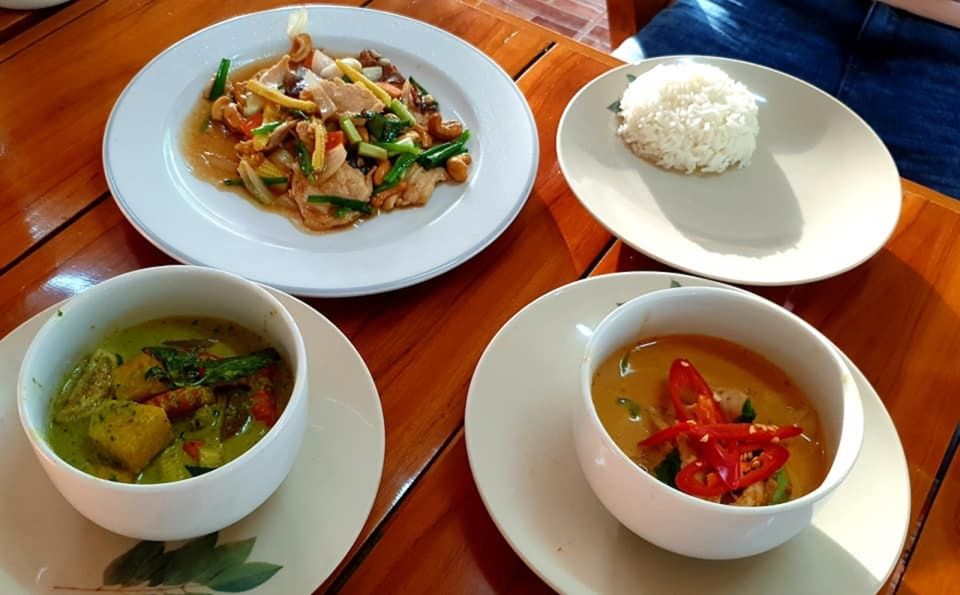
- Choose your dishes from a Thai menu that rotates by time slot, so you’re not stuck with a fixed list
- Small group (up to 8) keeps the kitchen from feeling crowded
- Real wok cooking with gas-fired woks helps you learn techniques you can actually repeat later
- Heat and ingredient flexibility: dishes can be made vegetarian or non-spicy
- You leave with written recipes, including coverage beyond just what you cooked
- Massive portions: plan on being very full, and you’ll likely have leftovers to take away
From Hotel Pickup to Wok Station: The Smooth Start
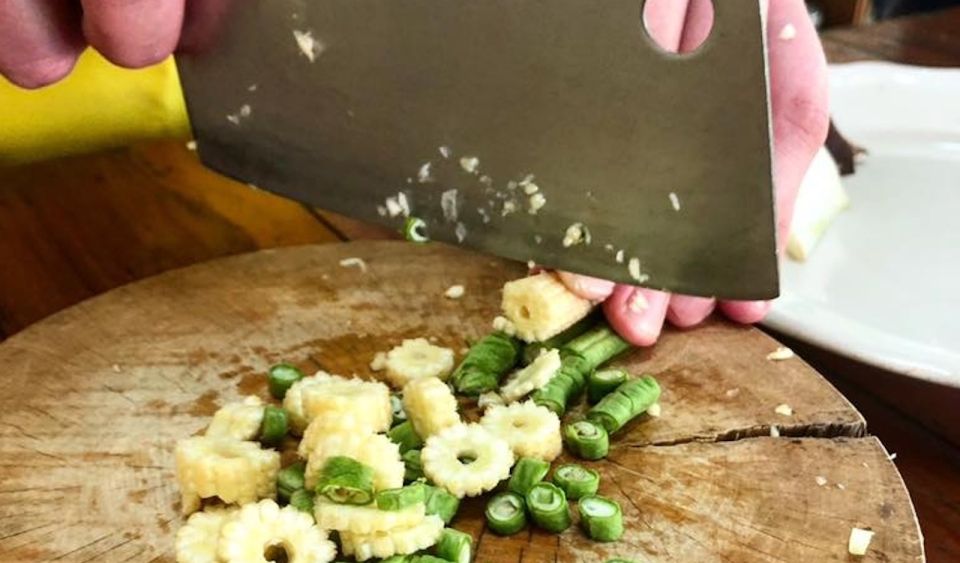
This class is built around convenience from Ao Nang. Pickup is offered from Aonang hotels, with three pickup areas typically used in the area: Nong Thale (near 102 Panurat), Ao Nang, and a location tied to 102 Panurat. After the lesson, you return to Ao Nang, 102 Panurat, or Nong Thale.
Why this matters: cooking classes fail when you’re rushing. Here, transport is handled, and the experience stays focused on cooking instead of solving the getting-there problem. If you’re staying outside the included Ao Nang hotel zone (like Klong Muang, Tubaek, or parts of Railay), expect an additional fee for pickup. One real-world example from the area notes a paid option for pickup from a more distant hotel.
Also note the practical limit on luggage. Leave large bags behind. Wear comfortable shoes and clothes, because you’ll stand and move while cooking.
You can also read our reviews of more cooking classes in Krabi
What You Actually Do in Class: Pick, Chop, Stir, Taste
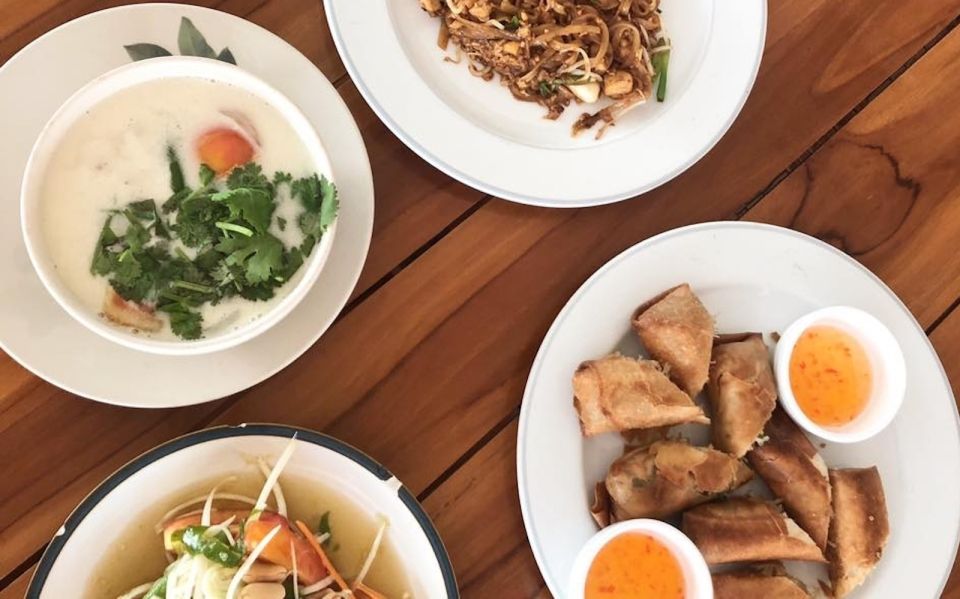
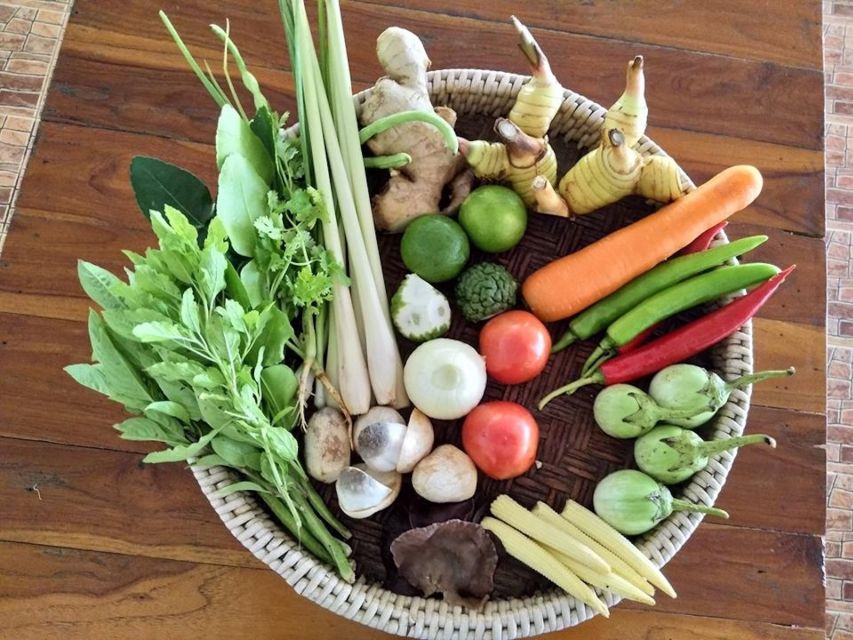
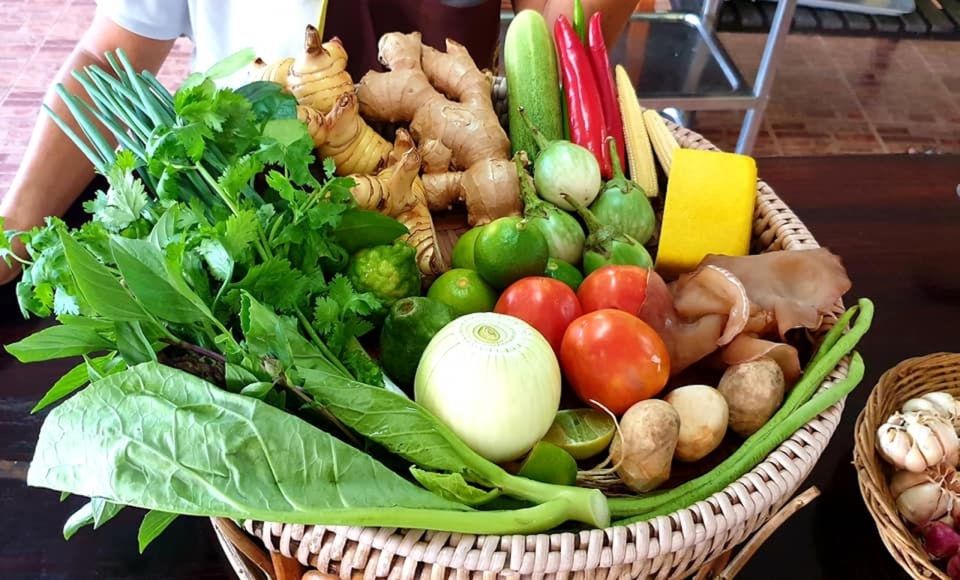
At the heart of the experience is your dish selection. You’ll choose from a set list of Thai favorites, and the instructor guides you through the herbs, spices, and core ingredients that shape Thai flavor profiles. You’re not just reheating a recipe you don’t understand. You’re learning the logic behind the taste.
You cook multiple dishes, and you should plan to eat
The exact dish count can vary by time slot and how the menu is organized on the day. The class is presented as you choosing four dishes, but many people report cooking around six dishes in practice during their session. Either way, the consistent theme is clear: you’ll produce a lot of food in 3.5 hours, and portions are generous.
This is a good thing if you like food, hate waste, and want to bring something back. Several people mention being able to take food away in takeaway containers, because there’s simply too much to finish.
You can customize to your comfort level
You’re told upfront that dishes can be made vegetarian or non-spicy, and that shows up in the way the class is taught. If your spice tolerance is low, you won’t be forced into a one-size-fits-all sauce level. If you’re vegetarian, you should be able to get substitutes—one review explicitly notes substitutes like eggs, vegetables, and tofu.
Expect hands-on teaching, not a passive show
The structure is fast and organized. The kitchen setup is described as clean and well stocked, with clear instruction in English and enough pacing that you can keep up without feeling lost. People also call out that the class uses individual woks so you’re not just watching someone else cook.
You can also read our reviews of more tours and experiences in Krabi




The Dish Menu: Morning vs Afternoon vs Evening
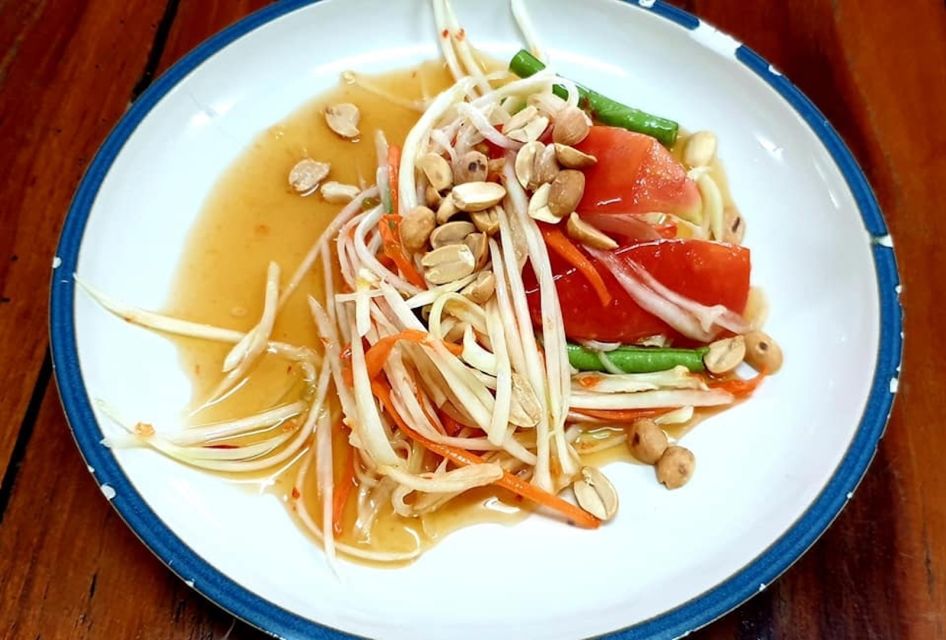
The menu changes by time slot, which is a smart touch in a region where tastes and schedules vary. You’ll pick dishes from the options listed for your session, and the lineup may shift slightly from one slot to another.
Here’s the menu landscape so you can plan what you want to cook:
Morning cooking (around 9:00 AM)
Common picks include:
- Massaman curry
- Red curry chicken with vegetables
- Tom yam goong (spicy prawn soup)
- Lab kai (chicken mint salad)
- Pad Thai
- Stir-fried chicken with cashew nuts
- Stir-fried sweet and sour chicken/vegetables
- Fried rice with chicken/vegetables
This slot is great if you want to start your day with something structured and finish early enough to explore Krabi right after.
Afternoon cooking (around 1:00 PM)
You’ll often see:
- Spring roll
- Mango sticky rice
- Curry pastes
- Green curry
- Panang curry
- Pad Thai
- Tom kar kai (chicken in coconut milk)
- Stir-fried chicken in Thai basil
- Som tam (papaya salad)
- Stir-fried morning glory
This session is ideal if you like balancing savory dishes with a sweet finale like mango sticky rice. It’s also a good choice if you want to keep your evening free.
Late afternoon cooking (around 2:00 PM)
A typical list includes:
- Curry pastes
- Green curry
- Panang curry
- Pad Thai
- Som tam
- Tom kar kai
- Stir-fried chicken in Thai basil
If you prefer a slightly tighter selection with fewer surprises, this slot can feel more streamlined.
Evening cooking (around 6:00 PM)
Options often include:
- Curry pastes
- Green curry
- Panang curry
- Pad Thai
- Som tam
- Tom kar kai
- Stir-fried chicken in Thai basil
- Stir-fried morning glory
- Mango sticky rice
Evening classes can be a win if you want to end the day doing something practical and social, then relax afterward with full bellies.
Why the Wok Setup Matters More Than You’d Think
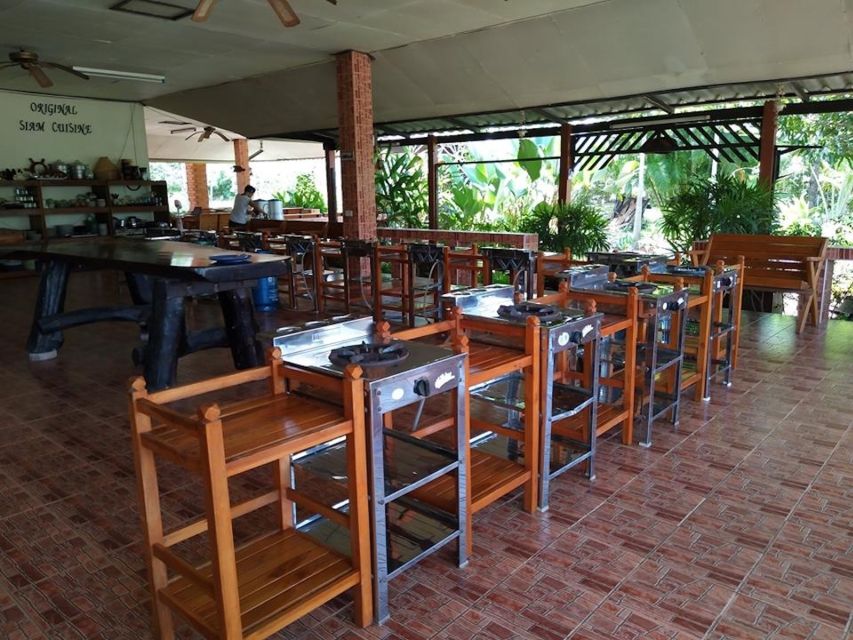
A lot of cooking classes either have too few stations or they give you generic tools that don’t reflect real technique. This one gets praised for the opposite: people cook over gas-fired woks, and the setup is described as organized and not cramped.
That translates to a few practical advantages for you:
- You learn how Thai cooking moves quickly and cooks at high heat
- You can follow the instructor’s guidance without losing your place
- You’ll leave with muscle memory you can reuse when you try again at home
One caution that comes up more than once: it can get hot over the wok, especially in humid weather. Fans are used, which helps, but you should still dress accordingly. If you’re heat-sensitive, consider bringing a light layer you can remove and wear clothing that dries easily.
Pickup Stop Details: Getting In and Out Efficiently
The transfer is built into the experience, and it’s more useful than it sounds. The schedule uses car transport to move you from your pickup point to the cooking location and back. The pickup and drop-off areas listed for this region are Ao Nang, 102 Panurat, and Nong Thale, which should reduce the odds of a long, complicated route.
Here’s the practical takeaway: if you’re staying in Ao Nang proper, your day stays simple. If you’re on the edges (or on a more distant property), plan extra time and budget for pickup if it’s not included.
Also, if you’re carrying minimal items, you’ll feel more comfortable. The class notes that luggage or large bags aren’t allowed, so don’t plan on doing a big shop before class.
Instructor Style: English Guidance That Actually Lands
Teaching is the make-or-break element in any cooking class. This one gets high marks for friendly, clear English instruction and for a style that helps you understand what you’re doing, not just copy steps.
People describe the lead instructor (one name that appears in feedback is Siam) as:
- warm and engaging
- high-energy but organized
- focused on explaining the details so you can cook at home later
One detail I really like from the way the class is described: it doesn’t just list ingredients. You learn what the herbs and spices contribute to the flavor, which helps you substitute or adjust later when you don’t have the exact same product at home.
The Food Take-Home Factor: Recipe Booklet + Leftovers
Most cooking classes give you a recipe card. This one is repeatedly described as giving a proper cookbook/recipe booklet at the end, with instructions for the dishes you made and extra recipes in the booklet. That’s important because it turns your class from a one-day memory into something you can cook again.
And yes, you’ll probably bring some food back. With the portions described as generous, takeaway containers make sense. Even if you don’t want leftovers for dinner, it’s a great way to taste what you made later without cooking again.
Price and Value: Is $57 a Good Deal in Krabi?
At $57 per person for about 3.5 hours, the value depends on what you care about, and you should compare it against what you’d pay for a meal plus shopping plus guessing at ingredients.
Here’s what you’re getting that justifies the cost:
- Hotel pickup and drop-off in the Ao Nang area
- Raw ingredients and cooking equipment
- An apron (so you don’t worry about ruining your clothes)
- A small group format (limited to 8 participants)
- A take-home recipe booklet/cookbook
For many people, the best part is that you leave with both skills and documentation. A single Thai meal can be great, but it doesn’t teach you how the flavors build. This class does.
If you’re paying extra for pickup outside Ao Nang, your overall total will rise, but the value still usually holds if you’re committed to cooking rather than just eating.
Who Should Book This Cooking Class (and Who Might Not)
This class fits best if you:
- like practical activities where you can learn by doing
- want a guided way to understand Thai herbs, spices, and flavor structure
- want flexible options like vegetarian or non-spicy cooking
- are comfortable being hands-on for a few hours
It’s also a nice choice for couples and small groups, because the small-group setup can feel close to a private class on some days.
You may want to skip or reconsider if:
- you need a low-effort activity (this is hands-on cooking)
- you’re very heat-sensitive at the stove
- you’re traveling with kids under 12 (the class isn’t suitable for children under 12)
Should You Book It? My Decision Guide
If you’re in Krabi and you love Thai food, I think this is one of the best value activities you can book. The key reason is simple: you don’t just taste Thai cuisine here. You learn how the dishes are constructed, and you get the written recipes to recreate them later.
Book it if you want:
- a small-group, English-taught cooking lesson
- real technique at the wok station
- a flexible menu where you can choose what you’ll cook
- a take-home booklet that makes the lesson last past your vacation
One final tip that will save you from feeling miserable during the class: go in hungry. Multiple people warn not to eat beforehand because the portions are a lot.
FAQ
What is the duration of the Krabi Thai cooking class?
The class runs for about 3.5 hours.
How many dishes do I cook?
You choose dishes from the menu for your time slot. The class is described as choosing four dishes, and many participants report cooking around six dishes depending on how the session is organized.
Does the class offer vegetarian or non-spicy options?
Yes. Dishes can be made vegetarian and/or adjusted to be non-spicy to match your preference.
Is the class taught in English?
Yes, the instruction is in English.
How big is the group?
It’s a small group, limited to 8 participants.
Do I get hotel pickup and drop-off?
Hotel pickup and drop-off are included for hotels in Ao Nang. Pickup outside the included Ao Nang hotel area may require an additional fee.
What should I wear or bring?
Wear comfortable shoes and comfortable clothes. The activity notes you should avoid bringing luggage or large bags.
Is the class suitable for children?
No. It is not suitable for children under 12 years old.