REVIEW · KRABI
Krabi: Elephant Bathing Session at Krabi Elephant Shelter
Book on GetYourGuide →Operated by Krabi Elephant Shelter · Bookable on GetYourGuide
Elephants and a shower, in Krabi. This 90-minute session at Krabi Elephant Shelter is built around feeding, learning, and joining the elephants’ daily bathing rhythm in a natural setting. It is also guided by an English-speaking team, with staff like Hameed and Bank helping you interact safely.
What I really like is the mix of hands-on time and clear instruction from your guide, so you are not just standing there hoping for the best. I also like that the routine is explained in context, like why elephants shower so often to stay comfortable, and you get to participate in that real process. The one consideration: you should plan to get wet, and you will want to bring the right gear since a towel and water shoes are not included.
In This Review
- Key things you’ll notice right away
- Krabi Elephant Shelter: what makes the bathing session different?
- Getting there from Ao Nang and Klong Muang (and where transfers leave you)
- What the 90 minutes look like once you arrive
- Feeding time: how the guide helps you interact safely
- Elephant showers explained: why you join a routine done more than three times daily
- Bathing and scrubbing in the water: what you actually do
- Photos, coffee, and small perks that make the day easier
- Rules that keep things smooth (and what not to bring)
- Who this Krabi elephant bathing session is perfect for
- Price and value: is $48 per person a fair deal?
- Safety and comfort: small practical points that matter
- Should you book this Krabi elephant bathing session?
- FAQ
- How long is the Krabi Elephant Bathing Session?
- How much does it cost?
- What is included in the tour package?
- What do I need to bring?
- Are water shoes included?
- What time are the pickup sessions?
- Where does the hotel pickup cover?
- Does it run rain or shine?
- Is it suitable for pregnant women or seniors?
Key things you’ll notice right away
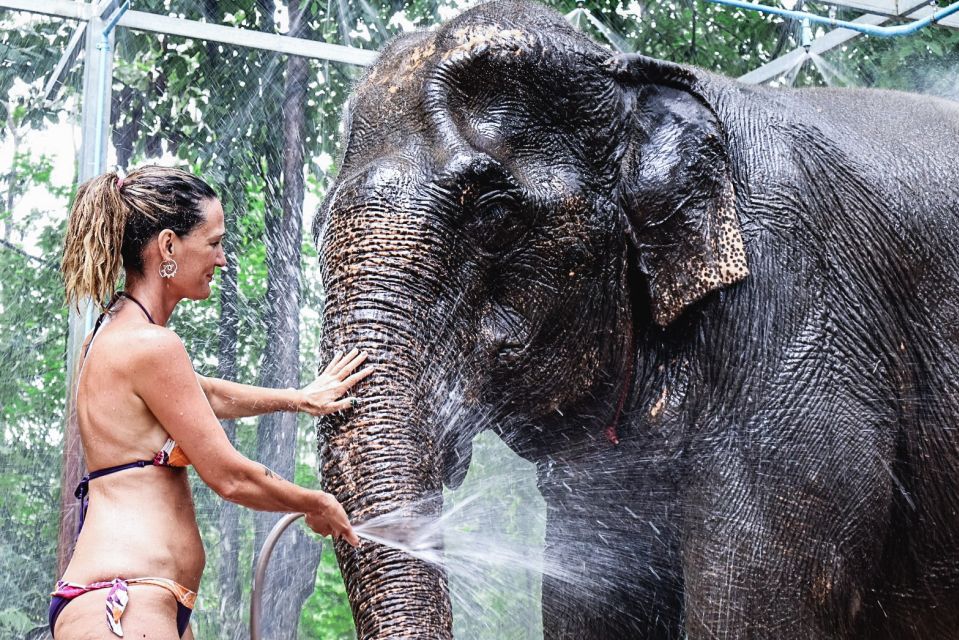
- You join a shower routine elephants take showers more than three times per day to cool down
- Your guide teaches interaction including how to feed and approach safely
- You may see retired-performer behavior some elephants raise trunks and spray water during photos
- Photo support is part of the experience staff take images and a team photographer is involved
- Refreshments keep it easy coffee, tea, drinking water, and seasonal fruit are included
- Bring the gear for wet ground water shoes are required for walking, and a towel is on you
Krabi Elephant Shelter: what makes the bathing session different?
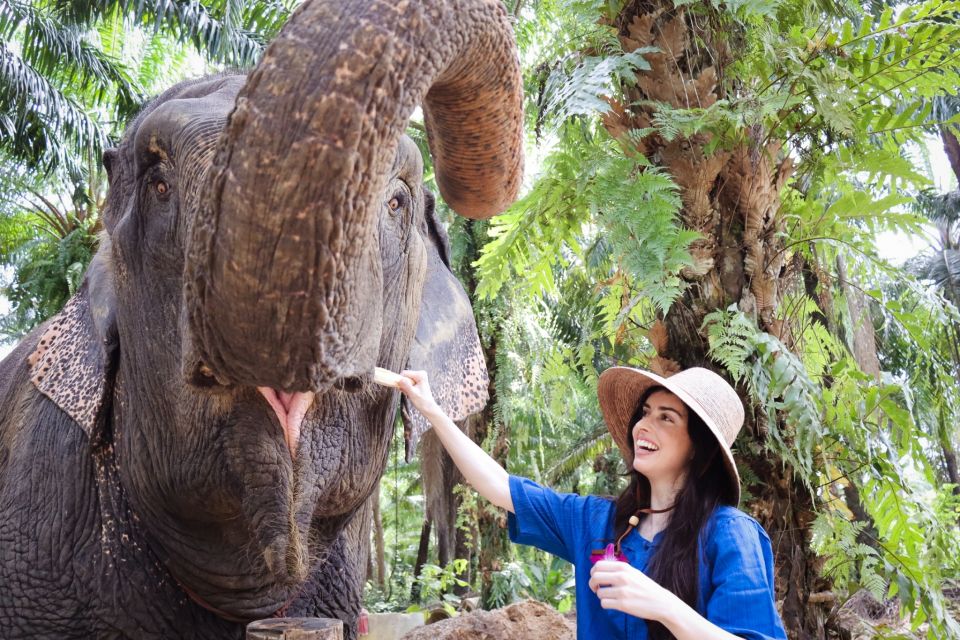
If you are choosing between a quick photo stop and something more meaningful in Krabi, this one makes the choice easy. You are not just watching from a distance. You feed, you wash, and you take part in an actual routine the shelter says the elephants do multiple times daily.
Also, the structure matters. The experience is 90 minutes long, with a guide leading you through what to do and what to watch for. That time window feels realistic: long enough to feel connected to the elephants, short enough that you are not eating up your entire day in Ao Nang.
You can also read our reviews of more tours and experiences in Krabi.


Getting there from Ao Nang and Klong Muang (and where transfers leave you)
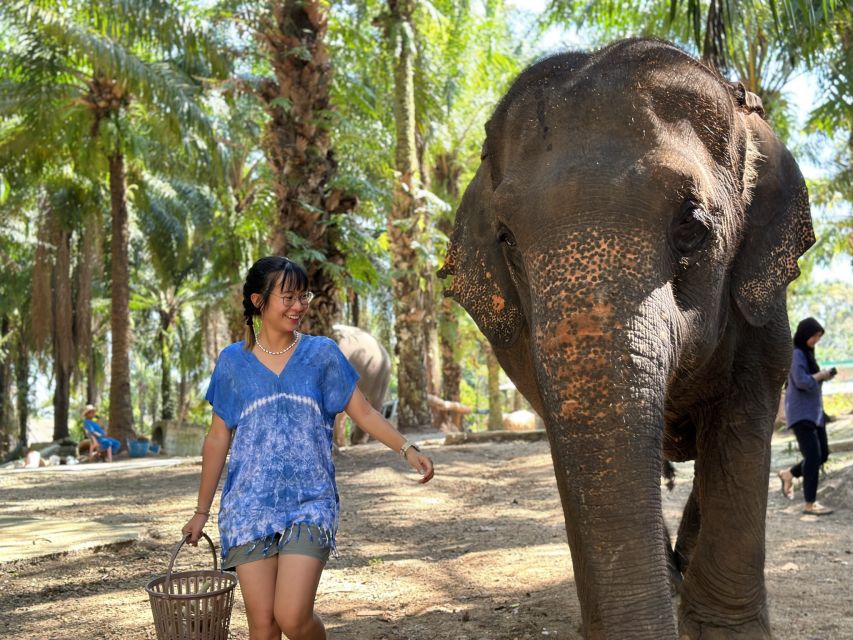
The tour includes hotel transfer, but the pickup area is specific. If you are staying in Ao Nang or Klong Muang Beach, your pickup is straightforward and on a set schedule.
There are two starting times: 8:20 AM for the morning session and 12:20 PM for the afternoon session. Your driver holds a sign with Krabi Elephant Shelter, and they wait no longer than 10 minutes after the scheduled pickup time, so I would aim to be ready early. The provider also notes that the driver will not go beyond that waiting window, which is a good reminder to keep the timing tight.
Where people get surprised is pickup coverage. Pickup is included only for Ao Nang and Klong Muang Beach. If you are coming from Krabi Town, there is an extra fee. If you are coming from islands, Centara Grand Beach, or Railay, you meet at one of the piers listed for your route, like Nopparat Thara Pier or Ao Nang Pier. If that sounds like you, it is worth confirming your exact meeting point before the day-of.
What the 90 minutes look like once you arrive
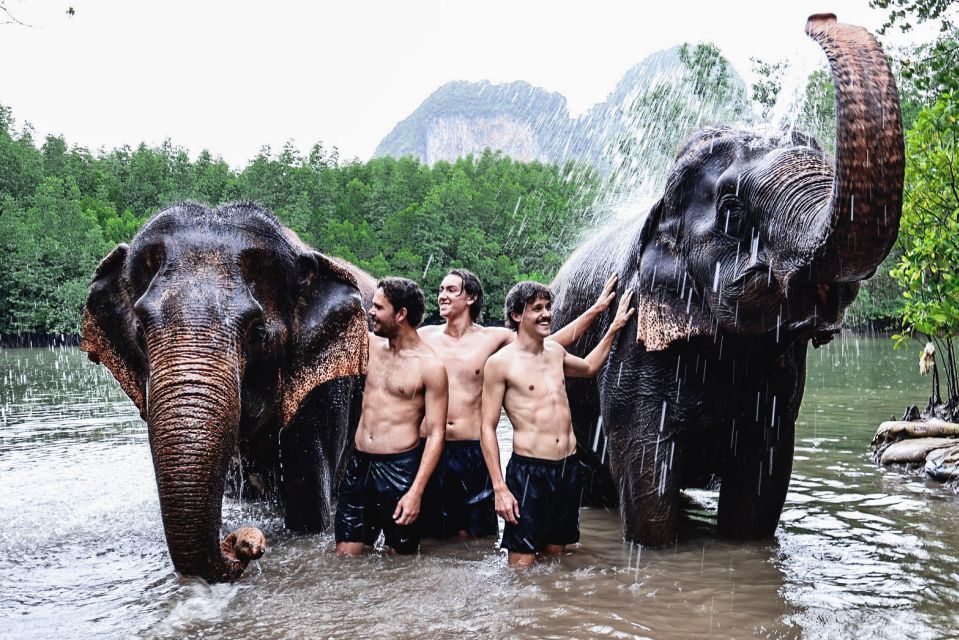
After pickup, you will head to the shelter for a tightly run session. The experience is built around a clear flow: introductions and info, feeding, bathing activities, showering, then rinsing up and wrapping out with refreshments.
What helps is the way the guide and caretakers manage the pace. You get elephant information from your tour guide, plus you get directions on what to do during feeding and bathing so you are not guessing. People also note there are information boards in the waiting area, which helps you understand the elephants beyond just the hands-on moments.
You should expect a focused, hands-on style experience rather than a long, wandering tour. That is part of the appeal if you want something memorable without spending half the day in transit.
Feeding time: how the guide helps you interact safely
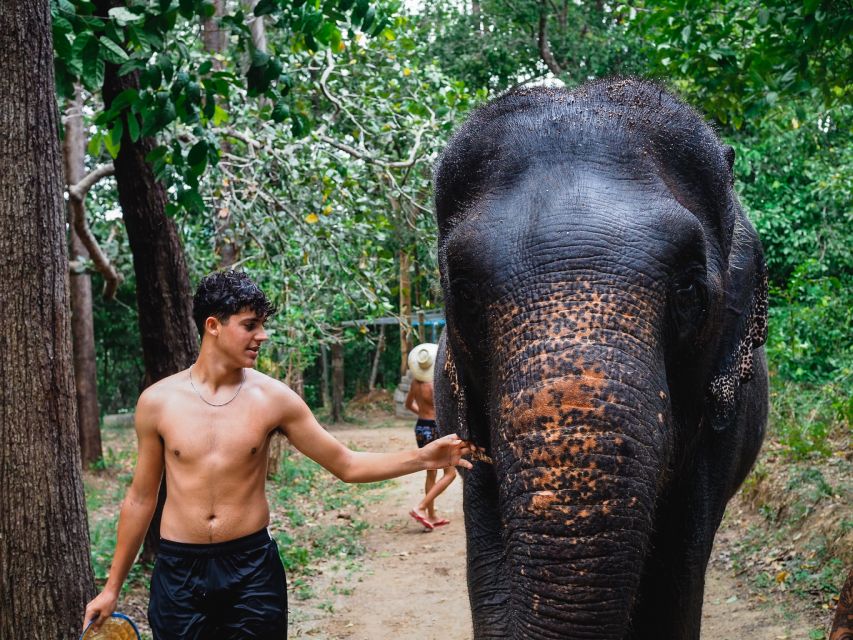
Feeding is usually the first real contact point, and it is more than a cute moment for photos. You learn how to interact, and you learn the basics of feeding safely under the guide’s direction.
This is where the English-speaking guide really matters. Several experiences highlight how friendly and attentive the staff were, and that they were happy to explain the elephants’ rescue stories and individual traits. Names like Hameed and Bank come up in the feedback, and you can see the value: when the instruction is clear, you feel confident around these animals.
Also watch for the shelter tone. The overall vibe you will want to look for here is calm and controlled, not rushed or chaotic. In the feedback, people describe the process as organized and safe, with carers near to support the experience and keep everyone on track.
Elephant showers explained: why you join a routine done more than three times daily
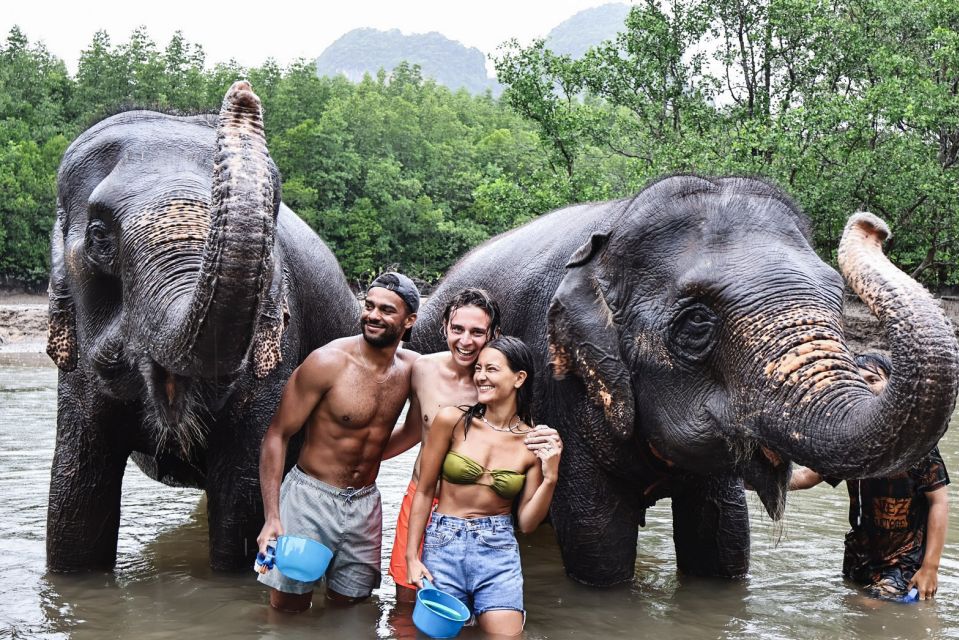
The centerpiece of this tour is the showering portion. The shelter’s own explanation is simple and practical: elephants take showers more than three times per day to lower their temperature beneath their skin.
That detail changes the way you think about what you are doing. You are not just getting a fun water moment. You are participating in a comfort routine that the shelter says the elephants perform often. It also helps you understand why the timing and water steps are important during your session.
During showering, you will likely follow caretakers’ cues about when to get close, how to wash, and how to stay safe around movement. Some elephants, including those described as retired performers, may spray water or lift trunks for photos. If that happens, go with it. It is part of their behavior, and it is one of those moments that makes the experience feel personal.

Bathing and scrubbing in the water: what you actually do
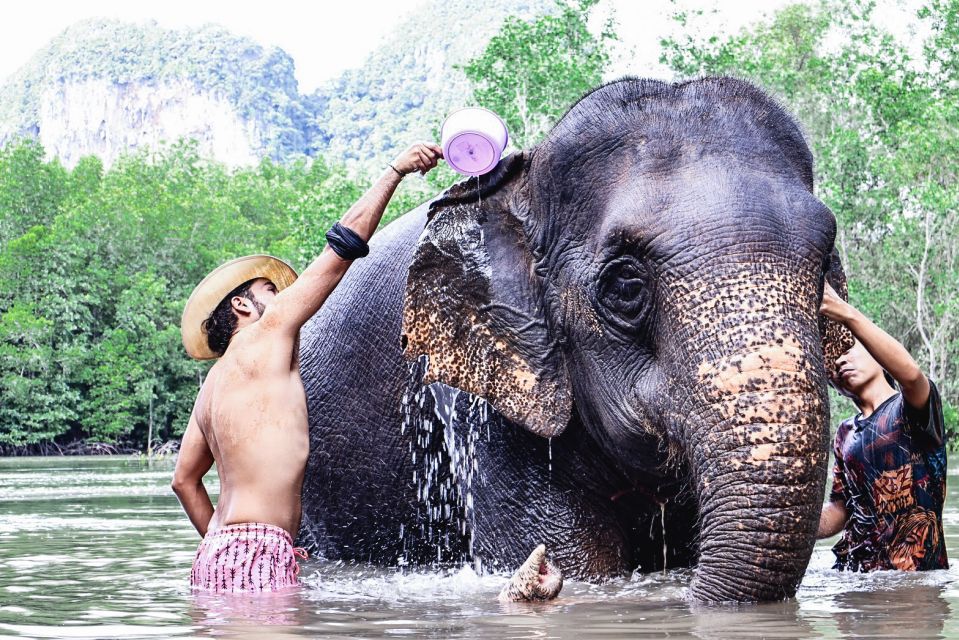
The bathing section is hands-on. You will do bathing activities and showering, and you get guided participation rather than free-for-all splashing.
A few specific things that show up in real experiences:
- You may help scrub and wash the elephants as part of the process
- Some sessions include rinsing steps afterward, like washing off salt water
- Caretakers and staff are close by to guide positioning and keep the flow safe
This is also where packing the right items matters. You are getting wet, and you will be walking on ground that can be slippery. Since a towel is not included and water shoes are required for walking, I recommend treating this as a water activity first and a photography opportunity second.
If you hate getting dirty, this is not the one. But if you are comfortable with damp clothes and sandy footing, you will enjoy it much more.
Photos, coffee, and small perks that make the day easier
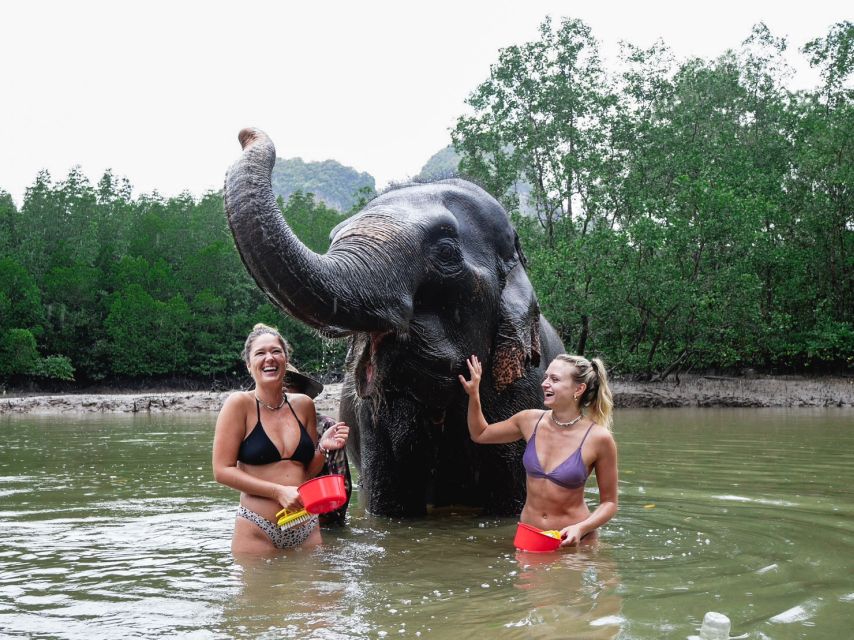
Yes, there are photos. But the value here is not only that you get pictures. It is that the staff and photographers are actively involved in helping you get them.
A lot of people mention photo support in multiple ways:
- Staff take images during the experience
- A photographer team is involved
- They help with posing so solo travelers still end up with good shots
- There is a private link afterward to share the photos with your group
That matters because it is easy to feel awkward during animal interactions if you are trying to juggle a phone, timing, and safe distance. Having people there to help with photos lets you stay present.
You also get refreshments: coffee, tea, drinking water, and seasonal fruit included. One highlight that comes up often is mango sticky rice at the end. Since it is not listed under a formal meal, think of it as a sweet finish rather than a full restaurant-style lunch replacement.
Some people also mention lockers and a setup that makes it easier to change and store items. If that is important to you, it is worth packing with that in mind: leave valuables in a bag you can manage, and keep your change of clothes dry.
Rules that keep things smooth (and what not to bring)
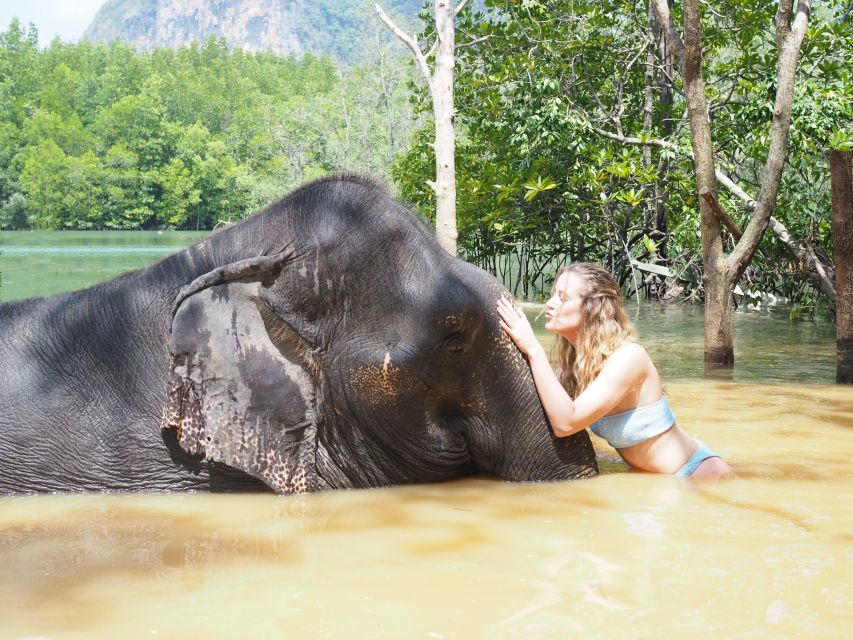
The shelter has some clear boundaries. Flash photography is not allowed, and you also cannot bring alcohol or drugs or explosive substances.
If you are the type who loves taking nonstop photos with the flash, this is your heads-up. Otherwise, the restrictions help keep the experience calmer for the elephants and safer for everyone.
Also, the provider asks you to share a passport photo for accident insurance purposes. They say you do not need to bring the physical passport or a printed copy, but you may be asked to show the image in case of emergency. So, if you are privacy-minded, just remember that the process is requested for insurance coverage and you should follow it so you do not get stuck on the day.
Who this Krabi elephant bathing session is perfect for
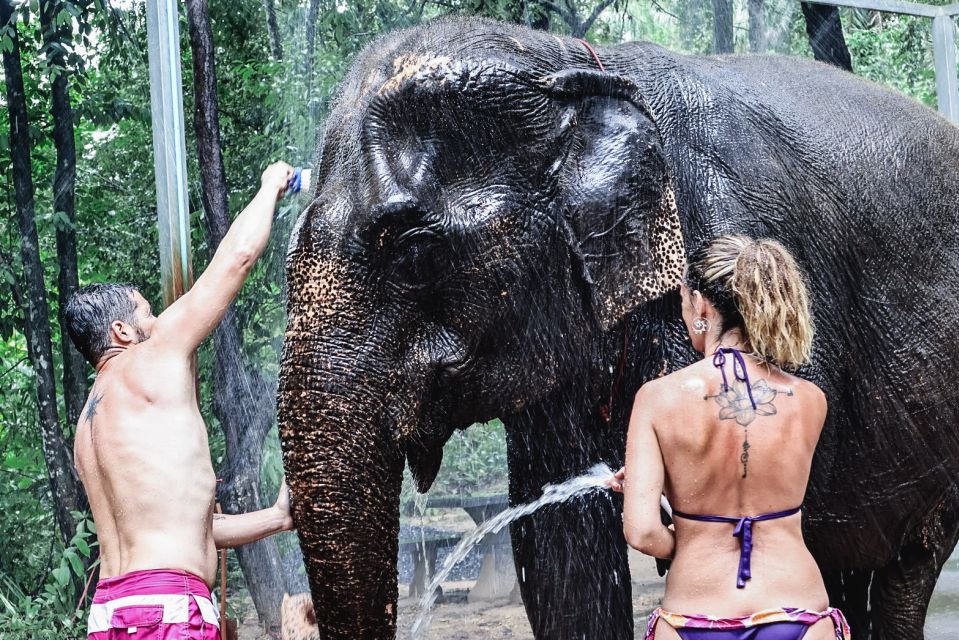
This is a good match if you want:
- A short, memorable hands-on elephant experience in Krabi
- Guided interaction rather than wandering around on your own
- Photo help so you can actually enjoy the moment
- A comfort-focused activity that includes washing and showering steps
If you are traveling solo, this tour looks especially useful. Feedback repeatedly notes staff help with photos even when someone is alone, and that can be a real quality-of-life thing when you are on your trip schedule.
It also fits families, with some experiences describing that kids had a great time with the feeding and bathing activities, as long as they meet the age requirements.
Price and value: is $48 per person a fair deal?
At $48 per person for 90 minutes, you are paying for more than access. You are paying for:
- Hotel transfer
- An English-speaking guide
- Feeding and bathing activities and equipment
- Refreshments like coffee, tea, drinking water, and seasonal fruit
- Photo documentation handled by the team, plus a link afterward
- Accident insurance handling
In Krabi, many “elephant experiences” are either overpriced for what you actually do or cheaper but light on guidance and care. Here, the value comes from having staff actively involved and the time being structured around feeding, bathing, and showering rather than just standing next to an elephant for a quick photo.
Also, the time length helps. You can fit this into your day without feeling like you lost your whole morning or afternoon. If you are doing other Krabi activities like beach hopping or island tours, that 90-minute block can be a practical win.
Safety and comfort: small practical points that matter
A few rules and suitability notes are very direct:
- Not suitable for pregnant women
- Not suitable for people over 95 years
- The session runs rain or shine
So dress for water and weather. That means sunscreen and insect repellent, and a plan for wet ground. Bring swimwear and a change of clothes. Flip-flops help if you need easy footwear around the washing setup, and a towel is important since it is listed as not included.
You will also want to confirm your phone situation. The provider asks for a Thai phone number or a number with WhatsApp because they cannot call international numbers from other countries. That is not the fun part of planning, but it can save you stress.
If you have health conditions, the provider asks you to let them know. They also explicitly request you indicate if you are pregnant or have any health conditions.
Should you book this Krabi elephant bathing session?
Book this if you want a guided, hands-on elephant experience that includes feeding and real bathing/showering steps in a short, manageable time window. The best reason to choose it is the combination of instruction plus active photo help, plus the shelter’s emphasis on routine cooling showers you join directly.
Skip it if you cannot handle getting wet, if your age or health situation falls into the stated not-suitable categories, or if you are looking for a purely sightseeing style tour with minimal interaction.
If you want to do one elephant activity in Krabi and feel like you actually participated, this is a strong pick. Just pack smart, arrive on time, and treat the session as an animal-care routine first, photo session second.
FAQ
How long is the Krabi Elephant Bathing Session?
The duration is 90 minutes.
How much does it cost?
The price is $48 per person.
What is included in the tour package?
Hotel transfer is included, along with feeding and bathing activities and equipment, an English-speaking guide, coffee, tea, drinking water, seasonal fruit, photos taken by the team shared via a private link, and accident insurance.
What do I need to bring?
You should bring swimwear, a towel, sunscreen, water shoes, and a change of clothes. You will also need passport-sized photo information as requested for accident insurance purposes.
Are water shoes included?
No. Water shoes are not included, and you are asked to bring your own for walking on the ground, or you can purchase them at the location.
What time are the pickup sessions?
Pickup is included at 8:20 AM for the morning session and 12:20 PM for the afternoon session.
Where does the hotel pickup cover?
Pickup included is for the Ao Nang and Klong Muang Beach areas. Krabi Town has an extra fee, and guests from islands, Centara Grand Beach, or Railay meet at one of the listed piers.
Does it run rain or shine?
Yes, the tour takes place rain or shine.
Is it suitable for pregnant women or seniors?
It is not suitable for pregnant women and it is not suitable for people over 95 years.