REVIEW · KRABI
Hands on Half-day Cooking Class by Authentic Thai Cooking
Book on Viator →Operated by Authentic Thai Cooking School · Bookable on Viator
Krabi cooking starts with your hands. This half-day class mixes market-to-kitchen learning with real cooking time in a Thai family-style setup. I like the small-group attention (max 10) and the way you leave with dishes that go beyond the usual pad thai and spring roll routine. One thing to consider: the schedule may not always include a market stop first, so if that’s a must for you, confirm the order when you book.
You’ll also get round-trip transfers so you aren’t stressing about finding the school, plus a shareable PDF recipe e-book to recreate your food later. At $37 for about 3.5 hours, it’s a strong value if you’re hungry for something practical, not just watching someone else cook.
In This Review
- Key highlights I’d plan around
- Why this cooking class in Krabi feels like Thai family food
- Price and value: what $37 really buys you in Krabi
- Hotel pickup and small-group size: how the day stays stress-free
- The ingredient walk at the local market (and how to use it)
- Inside the organic garden kitchen: where Thai cooking gets hands-on
- What you actually cook: spring rolls, pad thai or fried rice, soups, curry paste, curry, mango sticky rice
- Appetizer: deep-fried spring rolls
- Stir-fried dish: choose your main stir-fry
- Soup: sour heat meets coconut comfort
- Curry paste: green curry, Panaeng, or Kao Soi curry paste
- Curry: your chosen curry (with chicken)
- Dessert: sweet sticky rice with mango
- One practical tip: don’t overpack your stomach
- Eating, filming guidance, and taking the learning home
- Tips to get the most out of it (plus a safety note)
- Who this Krabi cooking class is best for (and who might skip it)
- FAQ
- FAQ
- What time commitment should I plan for in Krabi?
- Is hotel pickup and drop-off included?
- How many people are in the class?
- Do I get a recipe to take home?
- What dishes are included in the cooking class?
- Is alcohol included?
- Should you book this hands-on Thai cooking class in Krabi?
Key highlights I’d plan around
- Hotel round-trip pickup means your day stays easy, especially in Ao Nang
- Max 10 people keeps the pace friendly and the teaching actually personal
- Organic kitchen garden cooking gives you ingredient context, not just recipes
- Hands-on menu choices let you build a meal around what you’re craving
- Market ingredient help teaches you what to buy and why it tastes Thai
- PDF recipe e-book helps you remember the steps after you’re back home
Why this cooking class in Krabi feels like Thai family food
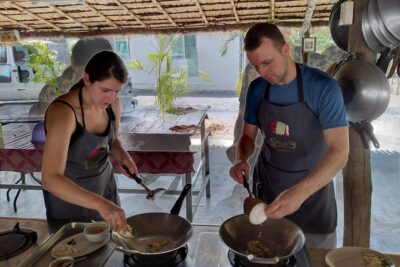
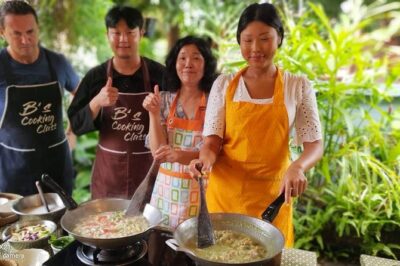
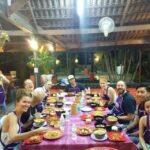
This is the kind of cooking class where you cook and eat, not just stand near the stove. The format is Thai family-style dining, and you’re working through several courses together. That matters because Thai cooking is about balance and timing, and you can’t learn that by watching.
One reason I like it: the teaching is designed for real home cooking skills. You’ll be guided through ingredients, textures, and flavor combinations, then you’ll repeat the process with your own hands. In past sessions, instructors like New and Gataii were singled out for clear guidance and fun, patient energy.
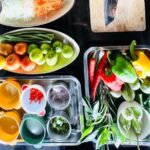
Another plus is the garden connection. You’re not only handed a recipe; you see herbs and greens used in Thai cooking, then you cook with them. Even if you’re not a “garden person,” it makes the flavors click faster.
The one “watch-out” is expectations around the market. Many groups include a local market walk, but at least one experience ran straight to the cooking school. If you specifically want that ingredient-shopping time, ask ahead so your half-day matches what you want.
You can also read our reviews of more cooking classes in Krabi
Price and value: what $37 really buys you in Krabi
$37 for roughly 3 hours 30 minutes can look cheap on paper, but the value comes from what you do during that time. You’re not paying just for a meal. You’re paying to handle ingredients, learn techniques, taste what you make, and get a recipe e-book to take home.
You also get ingredients and instructions in English, which is a big deal when you’re trying to understand Thai cooking beyond names on a menu. Many people enjoy Thai food in restaurants; this class helps you understand why it tastes the way it does, and how to recreate that at home.
Transfers matter too. Round-trip pickup saves you from coordinating taxis or walking in the heat. It’s the kind of convenience that makes the class feel like a real half-day activity, not a mini-logistics project.
Also, there’s no alcohol included. That’s usually a good thing for value: you can treat the class as focused food learning, and you’re not stuck paying premium drink prices you won’t care about later.
Hotel pickup and small-group size: how the day stays stress-free
The class starts with hotel pickup, and you’re brought to the school without needing a meeting-point hunt. That’s huge in Krabi, where “just meet here” can turn into missed vans and awkward waiting.
This experience also caps at 10 travelers, which changes the whole feel of the class. With a smaller group, you spend more time actually cooking and asking questions. You’re less likely to get stuck watching someone else’s station.
A practical note: messaging helps. Some guides coordinated pickup timing through WhatsApp in past sessions, so if you use it, keep it handy. If you’re not using WhatsApp, still make sure you have a reliable way to receive updates around your start time.
The ingredient walk at the local market (and how to use it)
When the market stop is included, it’s one of the best parts because it connects Thai flavors to real ingredients. You’ll shop with a guide and learn what to look for in vegetables, spices, and herbs that show up later in your dishes.
The cooking-world lesson here is simple: Thai dishes often taste the way they do because the ingredients are fresh and the quantities are intentional. If you see the herbs and understand their role, your cooking at home stops being guesswork.
A guide-led market walk also reduces the language barrier. Instead of pointing at something and hoping, you get explanations that translate into cooking choices. That’s how you go from ordering Thai food to making it.
One caution: don’t assume the market is guaranteed as the very first step for every group schedule. The class is designed to include market learning in many cases, but there can be variation. If you’re booking specifically for a market experience, confirm your plan before the day starts.
Inside the organic garden kitchen: where Thai cooking gets hands-on
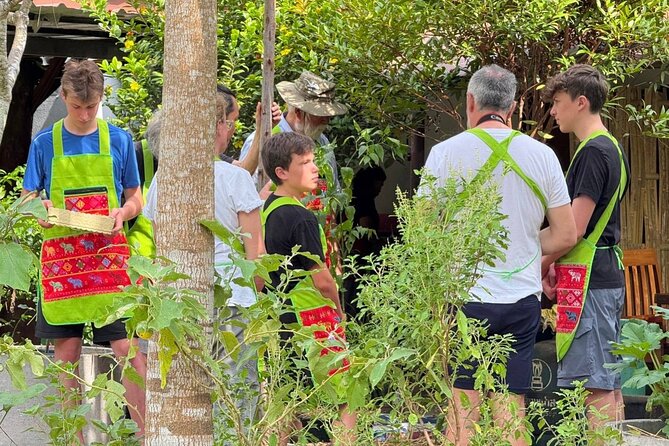
After pickup, you’ll head to the school to cook. Many classes include a garden element, which means you’ll see greens and herbs before they become part of the meal. It’s not a show garden; it’s tied to what you cook.
The kitchen setup is described as clean, and the equipment is working and organized. That matters because confidence is everything when you’re rolling spring rolls or timing a curry paste grind and stir-fry.
You’ll cook in a very hands-on way, and you’re not just doing one dish. The class structure is built so you can learn multiple techniques:
- frying and rolling for spring rolls
- stir-frying for fried rice and/or pad thai-style flavors
- balancing soup with sour heat and coconut richness
- building curry flavor through curry paste steps
- finishing with a Thai dessert
That variety is why this works for beginners. You get a guided path through several core techniques instead of one cooking “party trick.”
There’s also a real family-style dining element at the end. You aren’t sent away immediately after cooking; you eat what you made, together. That makes the learning stick.
You can also read our reviews of more tours and experiences in Krabi




What you actually cook: spring rolls, pad thai or fried rice, soups, curry paste, curry, mango sticky rice
This class is structured like a full Thai meal, with set course types and some choice depending on what you select. Here’s the menu backbone:
Appetizer: deep-fried spring rolls
Everyone prepares deep-fried spring rolls. This is a good starter because it forces you to focus on technique—rolling tight, sealing properly, and frying until crisp. It’s also a dish you’ll actually understand when you taste it, since crispness is easy to judge.
Stir-fried dish: choose your main stir-fry
You’ll pick one from options like fried rice with chicken, Pad Thai, or fried chicken with holy basil. This part teaches you how Thai stir-fry flavor comes from the order of adding aromatics and sauce, not just from dumping everything in at once.
If you’ve had Thai food before, this is the part where you’ll notice the difference between “Thai-ish” and truly Thai seasoning balance.
Soup: sour heat meets coconut comfort
You choose a soup option such as hot & sour prawns soup, chicken in coconut milk soup, or local hot & sour chicken soup. Expect the class to highlight the sour and heat balance, which is the key to hot-and-sour Thai style.
Soups are where beginners often go wrong at home, because they add sour too late or under-season. Learning the flow in a live class helps you correct that.
Curry paste: green curry, Panaeng, or Kao Soi curry paste
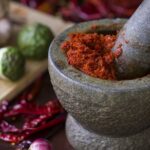
This is a standout part because curry flavor starts before the curry even hits the pot. You’ll cook the curry paste step using options like green curry, Pha Naeng (Panaeng) curry paste, or Kao Soi curry paste.
Some sessions have included making curry paste with guidance, and people loved that hands-on step. If you want “the real thing,” curry paste learning is one of the most valuable parts of the day.
Curry: your chosen curry (with chicken)
Next, you cook your chosen curry with chicken. This is where the paste you learned becomes sauce depth. You’ll taste and adjust along the way using the guide’s instructions.
Dessert: sweet sticky rice with mango
Everyone prepares sweet sticky rice with mango. This is the perfect finish because it shows Thai dessert balance—sweetness, texture, and that sticky rice character you don’t get from Western-style desserts.
It also gives you a clear before-and-after moment. If you struggled with savory flavors, dessert is an easy win that boosts confidence.
One practical tip: don’t overpack your stomach
Several people recommended arriving hungry because the class includes enough food that you’ll likely eat multiple courses without lingering hunger. If you’ve had a big breakfast, consider going lighter beforehand.
Eating, filming guidance, and taking the learning home
At the end, you eat everything you cooked. That’s part of why this class works better than a quick “tasting tour.” You get to evaluate flavor, texture, and doneness immediately.
I also liked that instructions are given clearly, and in some groups the teaching style was described as patient and fun. People talked about instructors being extra supportive and even filming guidance so you could follow along.
And then there’s the PDF recipe e-book. This matters because cooking classes can blur together once you’re back in your own kitchen. With a digital recipe, you can revisit steps, share the file with family, and rebuild the flavors later.
One more thing I’ve seen come up: if you don’t finish everything, you may be able to take leftovers. That’s handy, especially if you’re cooking more than you can eat in one sitting.
Tips to get the most out of it (plus a safety note)
This class is great for food lovers, but a few practical notes will make your experience smoother.
Bring curiosity, not just appetite. Ask questions about ingredients while you’re shopping and chopping. Thai cooking is ingredient-driven, and the market-to-stove connection is where the learning accelerates.
Use your choices wisely. You can select among stir-fry, soup, curry paste, and curry options. If you’re the adventurous type, choose dishes you don’t usually order. If you’re cautious, pick one comfort option (like coconut soup) and let the curry paste step teach you something new.
Plan for heat at the stove. Some instruction includes very hot flames for cooking. If you’re bringing kids, keep expectations realistic and watch them during stove time.
Wear clothes you don’t mind cooking in. Even with a clean kitchen, you’re dealing with frying, spices, and sticky rice. Comfort matters more than fashion.
Communicate clearly about pickup timing. A few people noted booking/pickup frustrations with a third-party process in the past, so once you have your confirmation, keep your local time straight and make sure you have a way to contact the school.
Who this Krabi cooking class is best for (and who might skip it)
This class is ideal if you want a practical skill. If you like Thai food but only order it, you’ll leave with a process you can repeat: spring rolls, soups, stir-fry, curry paste, curry, and mango sticky rice.
It’s also a solid choice for people staying near Ao Nang who want a half-day plan with low transport stress. Hotel pickup and drop-off are a big part of why the timing works.
It’s a good fit for small groups and families too, since the teaching is hands-on and supportive. Just remember the stove heat note if you’re traveling with younger kids.
If your main goal is a long, slow cultural day or a guaranteed first-stop market experience, you might want to verify your schedule before booking. The cooking portion is clearly consistent; the market order can vary depending on the day.
FAQ
FAQ
What time commitment should I plan for in Krabi?
It runs for about 3 hours 30 minutes (approx.).
Is hotel pickup and drop-off included?
Yes. Round-trip hotel transfer is included, so you don’t need to find the meeting point on your own.
How many people are in the class?
The group is capped at a maximum of 10 travelers.
Do I get a recipe to take home?
Yes. You receive a PDF version recipe e-book you can share.
What dishes are included in the cooking class?
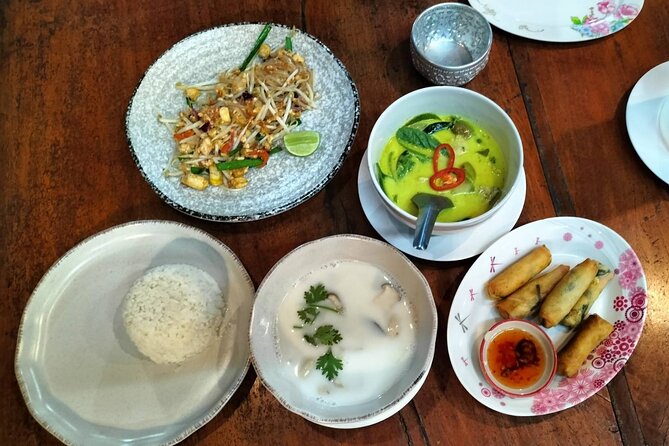
You cook several courses, including spring rolls, a stir-fried dish (such as fried rice with chicken, Pad Thai, or fried chicken with holy basil), a soup (hot & sour or coconut-based options), curry paste (green, Pha Naeng, or Kao Soi), a curry with chicken, and sweet sticky rice with mango.
Is alcohol included?
No. Alcoholic beverages are not included.
Should you book this hands-on Thai cooking class in Krabi?
If you want a half-day that teaches you real Thai cooking—spice-and-sauce balance, curry paste flavor, and how to build a meal—you should book it. The combination of hotel pickup, small-group teaching, and the PDF recipe book makes the $37 price feel fair for what you produce and learn.
Book especially if you’re excited to cook multiple courses (not just taste), and if you like the idea of an organic garden ingredient experience. If a market stop is your top priority, double-check that your schedule includes it before you go.
If that matches your style, this is one of those Krabi activities that gives you a skill you can actually use after the trip ends.