REVIEW · KRABI
Thai Cooking School in Aonang
Book on Viator →Operated by Sukhothai cooking school · Bookable on Viator
Cooking in Ao Nang beats eating out. In Sukhothai Cooking School’s small classes, you learn Thai herbs and build a full Thai meal, with pickup and a tidy open-air setup.
I love how organized it feels: ingredients and instructions are laid out for you, and the teaching is in clear English. I also love that you cook the dishes yourself, then eat at the school or take food to go, with vegetarian options from the regular menu. One caution: they don’t accept students with allergies.
In This Review
- Key highlights you’ll care about
- Ao Nang pickup and getting to the cooking school without drama
- Morning vs afternoon: pick the time that fits your Krabi day
- What you actually cook: a 7-item menu built around 6 dishes
- Thai herb juice and noodles: the skill-building starters
- Thai herb juice
- Sukhothai noodles
- Appetizer to dessert: filling your plate (and your skills)
- Appetizer
- Main course: choose from 3 options
- Dessert
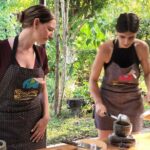
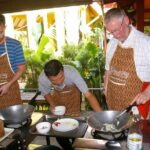
- The open-air kitchen: clean, active, and made for beginners
- Teacher energy and English you can actually follow
- Vegetarian choices that don’t feel like an afterthought
- Sets A to D: how the menu structure helps you decide
- Take it home or eat on-site: what you do after cooking
- Price and value: $56 for skills, not just a Thai food plate
- Who this is best for (and who should think twice)
- A simple prep checklist so your class goes smoothly
- Should you book this Thai Cooking School in Ao Nang?
- FAQ
- What are the class times in Ao Nang?
- How many dishes will I cook?
- Is pickup offered?
- Is the class size small?
- Does the class offer vegetarian options?
- Are allergies accommodated?
- Can I eat the food at the school or take it to go?
- What do I make besides the mains?
- Is water provided?
- What’s the cancellation policy?
Key highlights you’ll care about
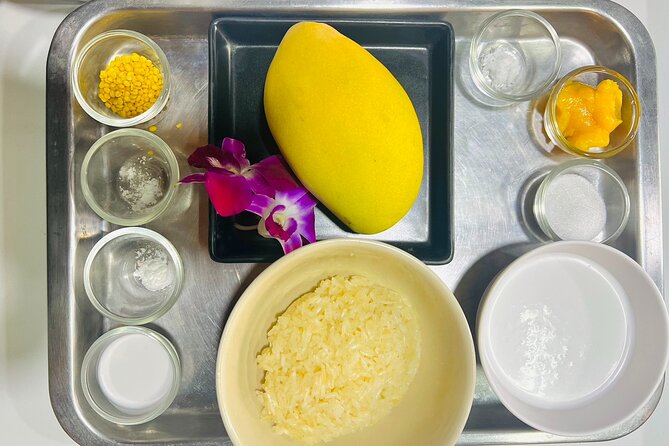
- Small group size (up to 10) means you get real attention while you cook
- Choose your menu, including a vegetarian option from the regular menu
- Hands-on cooking: you make each dish yourself, not just watch
- Clean open-air kitchen with water service and insurance for every student
- Teacher experience: the instructor has 40+ years of Thai cooking and good English
Ao Nang pickup and getting to the cooking school without drama
This class is built for convenience in Krabi’s Ao Nang area. You’re offered pickup, and there’s also tuk tuk delivery in Aonang and Klong Muang. That matters because you’re spending your energy learning flavors and technique—not wrangling transport after a long day at the beach.
You start near Ao Nang Beach, and the session runs about 3 hours depending on whether you choose the morning or afternoon course. There’s a mobile ticket, and the school is near public transportation, so even if you’re not using pickup, you should have workable options.
One practical thought: wear shoes you don’t mind getting a little kitchen-splatter on. You’ll be standing, prepping, chopping, and cooking, and the open-air setup means you’ll want footwear that can handle Thai kitchen life.
You can also read our reviews of more cooking classes in Krabi
Morning vs afternoon: pick the time that fits your Krabi day
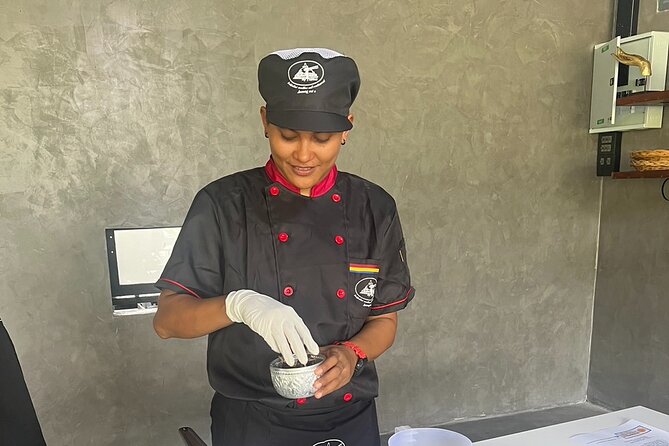
There are two main schedules:
- Morning course: 9:30am to 12:30pm (about 3 hours)
- Afternoon course: 2:00pm to 5:00pm (about 3 hours)
If you want the class to feel like a fun “reset” after a swim, the afternoon slot can work nicely. If you prefer a full Thai lunch afterward (or a later beach plan), morning is the move.
There’s also a private class option, available Wednesday and Saturday from 10:00am to 4:00pm. That’s a big time jump, so it’s best for groups who want a more personal pace and extra time at the stove.
What you actually cook: a 7-item menu built around 6 dishes
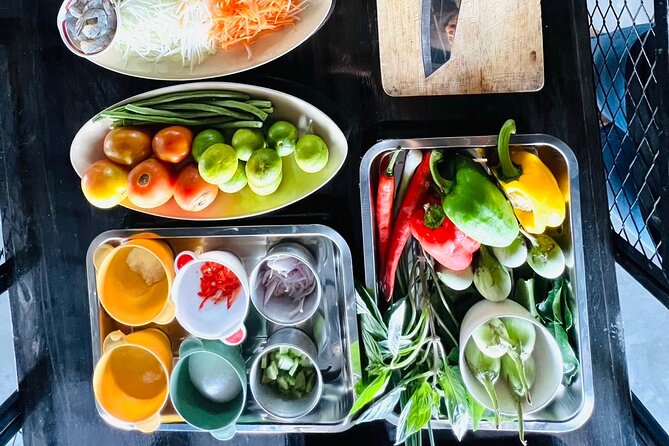
The core idea here is simple: you cook each dish yourself. The class teaches traditional Thai cooking with a focus on choosing ingredients—especially Thai herbs—and you’ll make a complete meal you can eat right there.
Each class uses a 7-item menu, including:
- Thai herb juice
- Authentic Sukhothai noodles
- An appetizer
- Main course choices (you select from 3 options)
- Dessert
You’ll also hear that the class is centered on cooking 6 typical dishes. In practice, you’ll be producing a full plate of foods across those menu items, with the main and dessert anchoring the meal.
The best part for you, as the cook-in-training, is that you’re not stuck repeating one dish. You get choices—especially for the mains—so the meal matches your taste. Want something more savory and filling? Pick one style. Prefer lighter flavors? Choose accordingly.
Thai herb juice and noodles: the skill-building starters
Some cooking classes hand you a knife and call it learning. This one starts with technique and ingredients.
Thai herb juice
You’ll learn how Thai cooking uses herbs as more than garnish. The herb juice gives you a first taste of how aromas drive flavor in Thai cuisine. Expect it to feel fresh and aromatic rather than heavy.






Sukhothai noodles
Then comes the noodles. The school calls them authentic Sukhothai noodles, and that label matters because Sukhothai-style noodles are their own thing—less about generic stir-fry and more about the flavor balance and noodle approach. Even if you’ve cooked noodles before, you’ll likely pick up new steps and seasoning logic.
If you’re the type who wants to understand why a dish tastes the way it does, the herb-first and noodle-first structure is a smart way to build your palate.
Appetizer to dessert: filling your plate (and your skills)
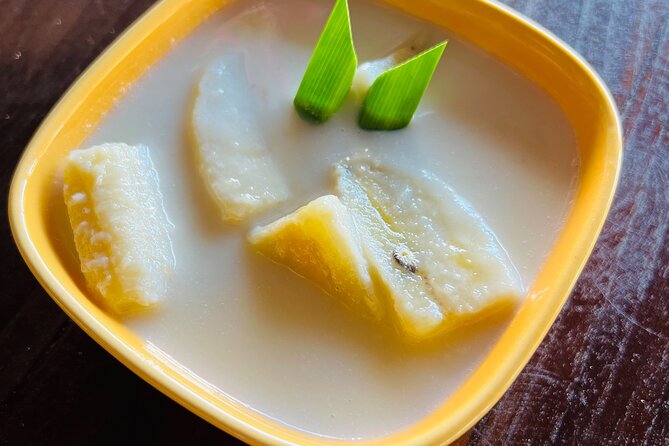
After the starters, you move into the meal parts that really showcase Thai cooking.
Appetizer
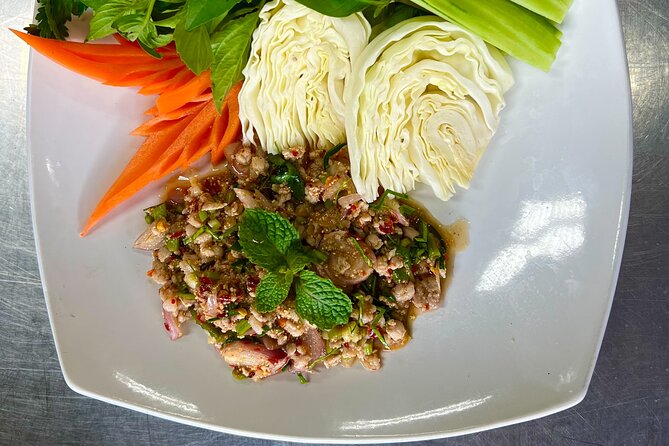
This section is where you learn timing and texture. Thai appetizers often rely on crunch, balance, and quick seasoning. Since you’re cooking it yourself, you’ll see how quickly things can go from perfect to overdone if you don’t pay attention.
Main course: choose from 3 options
The school includes three main course selections, and you get to choose your favorites. That’s a practical perk: you can match the meal to what you’ve enjoyed in Thai restaurants in the past—or steer toward a dish you’ve never dared to order.
You’ll also learn how Thai herbs and seasoning show up again in the main dish, so the class feels connected rather than random.
Dessert
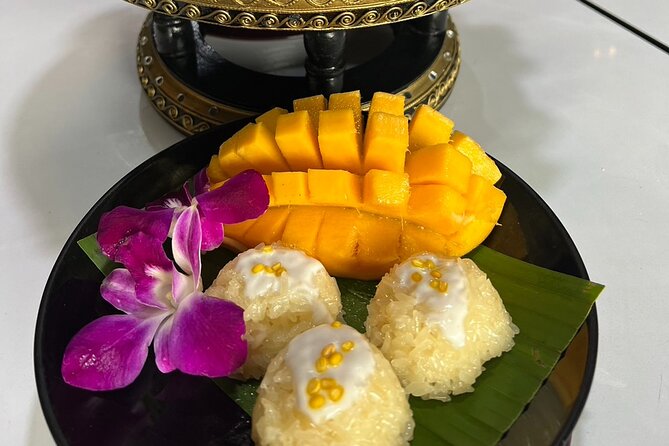
Dessert is usually the “okay, show me the Thai sweet side” moment. This class includes dessert as part of the set menu, and it’s a good finish when you want to leave with the whole experience: savory, spicy, fragrant, and then sweet.
The open-air kitchen: clean, active, and made for beginners
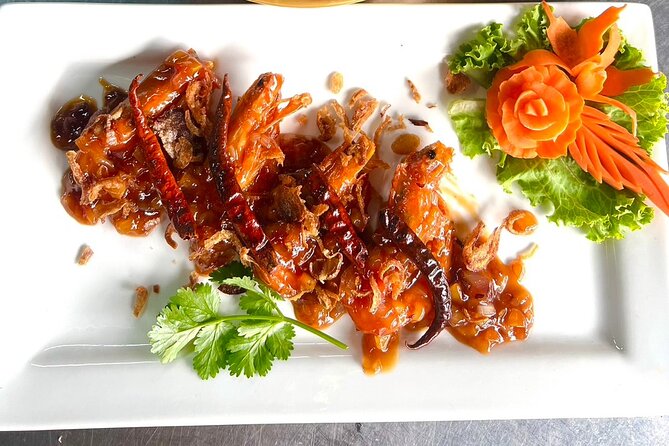
This is an open-air setup, and it’s described as clean. That combination is rare. Open-air cooking is great because you don’t feel trapped, and a clean kitchen means your tools, ingredients, and workspace feel controlled.
You’ll be:
- cleaning up and prepping at your own station
- cooking in the open air
- eating the food you make
That last part—eating what you cooked—isn’t just convenient. It helps you connect flavors and technique immediately. You don’t have to guess if your seasoning was on track; you taste it.
Also, there’s water service and insurance for every student, which is the kind of boring detail that makes the experience smoother.
Teacher energy and English you can actually follow
The instructor has more than 40 years of experience and good English knowledge, and you feel that in how the steps are explained.
In particular, the school’s teaching style is praised as enthusiastic and helpful—chef energy counts here, because Thai cooking can move fast. If the guidance is clear, you can keep up even if you’ve never chopped Thai herbs before.
You may also be taught by names that pop up in the school’s recent experiences, like Chef King and Jantree, both noted for strong English and solid guidance. Even if you don’t get the same teacher, the standard seems consistent: instruction that helps you cook, not just someone narrating.
Vegetarian choices that don’t feel like an afterthought
If you’re vegetarian, this class can work well. They allow vegetarian students to choose from the regular menu. That’s better than a separate, sad “vegetarian substitute” table.
Just know the tradeoff: they do not accept students with allergens. So if you need strict avoidance for a specific ingredient, you’ll want to check carefully before booking. In a hands-on class where multiple ingredients are in play, they’re drawing a clear line.
Sets A to D: how the menu structure helps you decide
The class has four sets: Set A, Set B, Set C, and Set D. You can select the menu based on your preference. The key point for you is that these sets organize the meal so the class stays smooth.
Instead of randomly picking dishes, you choose a set that shapes:
- which appetizer and mains you’ll cook
- how the meal flows
- what you’ll end up eating and possibly taking away
If you’re someone who likes to plan ahead, pick a set that matches your comfort level and spice tolerance.
Take it home or eat on-site: what you do after cooking
You get choices here:
- you can enjoy your food at the school
- or bring your cooked food to take away
That is a real quality-of-life perk. After you’ve cooked, you might be full—then being able to pack leftovers means you still get to enjoy your work later without forcing it all down in one sitting.
In a place like Ao Nang, where dinner options are everywhere, having a take-home meal can also save money on your next meal plan.
Price and value: $56 for skills, not just a Thai food plate
At about $56 for roughly 3 hours, this class sits in a very workable zone for Krabi cooking experiences. You’re not only paying for lunch. You’re paying for:
- a guided, small-group cooking session
- ingredient selection training, including Thai herbs
- hands-on practice across multiple dishes
- English instruction from a seasoned teacher
- water service and insurance
The biggest value lever is that you cook each dish yourself. That’s where the money turns into something useful. One Thai cooking class can give you enough technique and flavor instincts to recreate dishes later with better results than generic recipes.
If you’ve been thinking about it but worried it’s just a fancy show-and-eat, the hands-on format and structured menu are the antidote.
Who this is best for (and who should think twice)
This class is a great fit if you:
- want a practical way to learn Thai flavors beyond restaurant ordering
- like hands-on activities in small groups
- want clear English instruction and a structured experience
- can eat standard vegetarian options from the regular menu
You might think twice if you:
- have allergy needs and require strict ingredient avoidance (they don’t accept allergen students)
- prefer a passive “sit back and watch” tour (this one is actively cooking)
- need a fully guaranteed pick-up in an area outside Ao Nang/Klong Muang (pickup is offered, but tuk tuk delivery is specifically mentioned for those zones)
A simple prep checklist so your class goes smoothly
You don’t need to overthink it, but these small moves help:
- bring a normal-day outfit plus shoes you can move in
- come ready to chop, stir, and taste along the way
- be ready to choose from the mains menu options when you arrive
- if you’re vegetarian, plan to select from the regular menu
- if you have allergies, don’t assume you can substitute—ask first due to the school’s allergen rule
Should you book this Thai Cooking School in Ao Nang?
For most people visiting Krabi, I’d call this a strong yes. The value is in the structure: small groups, clear English teaching, a clean open-air kitchen, and a menu that makes you cook a real Thai meal rather than watching someone else do it.
If you want to leave with skills—how to pick Thai herbs, how dishes come together, and how to recreate flavors later—this class matches that goal. The only reason not to book is the allergen limitation. If that doesn’t affect you, you’re likely to enjoy a fun, focused few hours with a food payoff that lasts beyond the class because you can take food to go.
FAQ
What are the class times in Ao Nang?
The morning course runs from 9:30am to 12:30pm, and the afternoon course runs from 2:00pm to 5:00pm. Private classes are available on Wednesday and Saturday from 10:00am to 4:00pm.
How many dishes will I cook?
The experience is described as learning to cook 6 typical dishes. The class menu includes 7 items, covering items like Thai herb juice, noodles, appetizer, main course selections, and dessert.
Is pickup offered?
Yes, pickup is offered. There is also tuk tuk delivery with free service in the Ao Nang and Klong Muang areas.
Is the class size small?
Yes. The class size is capped at 1-10 people, and the overall tour maximum is 10 travelers.
Does the class offer vegetarian options?
Yes. Vegetarian students can choose menu options from the regular menu.
Are allergies accommodated?
No. They are not accepting any allergen students.
Can I eat the food at the school or take it to go?
You can do either. You can enjoy your meal at the school or bring your cooked food to take away.
What do I make besides the mains?
You’ll make Thai herb juice, authentic Sukhothai noodles, an appetizer, choose among 3 main course options, and you’ll also make dessert.
Is water provided?
Yes, there is water service.
What’s the cancellation policy?
You can cancel for free up to 24 hours in advance for a full refund. If you cancel less than 24 hours before the experience start time, the amount paid is not refunded.