REVIEW · KRABI
Ya Thai Cookery School Class in Krabi
Book on Viator →Operated by Trip Store Krabi · Bookable on Viator
Thai cooking becomes real fast. In Krabi, Ya’s Cookery School turns classic dishes into a hands-on lesson, from grinding curry paste to cooking from scratch. You choose from a menu, cook your own plates, then sit down and eat what you made.
I especially like the small group size (max 8), which keeps the class personal instead of chaotic. I also like that you get ingredients, recipes, and instructions in English, so you can recreate the food at home instead of just having a fun night.
One possible drawback: the schedule can feel high tempo, and you’re expected to eat everything you cook. If you’re sensitive to food safety or have a very slow cooking pace, build in caution and plan for leaving with leftovers only if it fits your setup.
In This Review
- Key Highlights You’ll Care About
- Entering Ya Thai Cookery School in Ao Nang (and what 3 hours really feels like)
- Price and value: $45.99 that buys ingredients, transfers, and a take-home recipe book
- Hotel pickup and meeting point: Ao Nang is included, other areas cost extra
- The core lesson: choosing ingredients and building balanced Thai flavor
- Curry paste is the star: grinding in a stone mortar
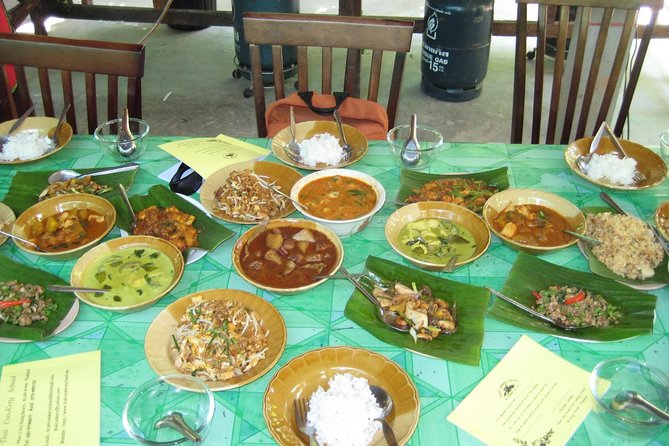
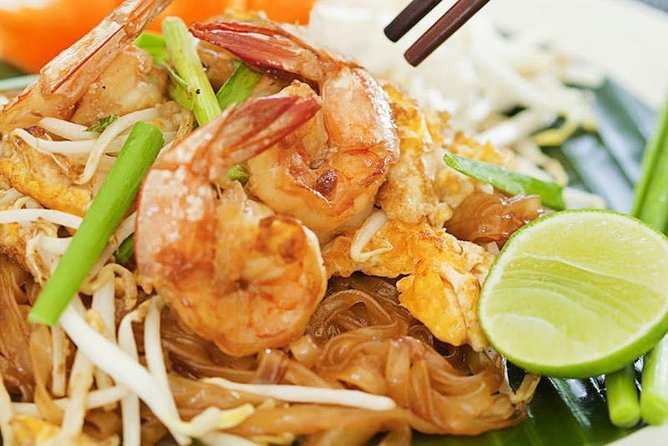
- What you’ll cook: classics like massaman curry and pad Thai (plus choice and variety)
- The class flow: prep, cook, then eat together (and yes, you’ll be very full)
- A note on pace: when you learn fast, you also cook fast
- Drinks and small extras: bring cash if you want beer or soft drinks
- Who this class is for (and who might want to rethink it)
- Where the class delivers the best “at-home” payoff
- Final verdict: should you book Ya Thai Cookery School in Krabi?
- FAQ
- How long is the Ya Thai Cookery School class in Krabi?
- What’s the price per person?
- Is hotel pickup included?
- What dishes will I cook?
- Can the class accommodate vegetarian preferences?
- How many people are in a class?
- What’s the cancellation policy?
Key Highlights You’ll Care About
- Hands-on cooking with a leader who guides you step by step
- Curry paste practice using a stone mortar and the right herbs and spices
- Choose your dishes (dishes vary, and vegetarian options can be adapted)
- You eat together after cooking, so come hungry (and expect to be full)
- Hotel transfers included for Ao Nang (and Krabi Town), with add-on pickup for farther areas
Entering Ya Thai Cookery School in Ao Nang (and what 3 hours really feels like)
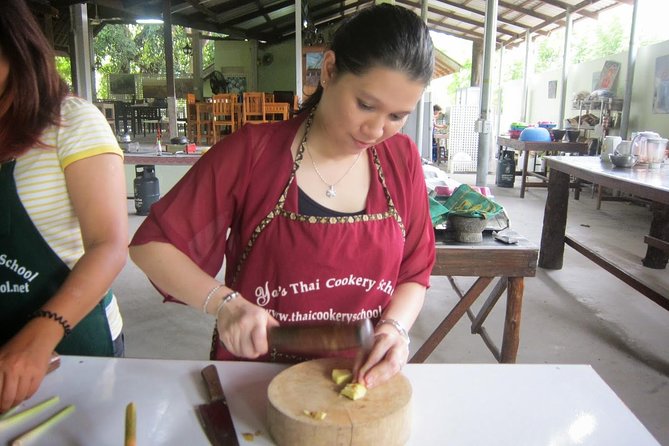
Ya’s Krabi Thai Cookery School is based in Ao Nang (meeting point: 269 Tambon Ao Nang, Chang Wat Krabi 81180, Thailand). The experience is about 3 hours, and you’ll run through a full cooking cycle: ingredient choice, prep, cooking, tasting, and feedback.
If you’re thinking this is a casual demo where you mostly watch, it’s not. The class is structured so you’re active from the start, with guidance while you chop, stir, and build the flavor base. The pace is part of the deal: it’s efficient, and that keeps the energy up, but it can leave less time for slow, free-form experimentation.
You’ll also have options for timing: morning, afternoon, or early evening classes. That matters in Krabi, where weather and beach plans can shift. If you want this class to be your one guaranteed “anchor activity,” an afternoon slot can be the smoothest buffer.
You can also read our reviews of more tours and experiences in Krabi

Price and value: $45.99 that buys ingredients, transfers, and a take-home recipe book

The price is $45.99 per person, and the value is strongest because it’s not just a cooking lesson. You’re paying for several things at once: hotel round-trip transfer (from Ao Nang), ingredients, equipment, recipes and instructions in English, and food tasting.
Most cooking classes make you bring your own ingredients or don’t include the full shopping/prep step. Here, you start with choosing the ingredients you’ll cook with, and the teaching time includes the basics of balancing flavors to make Thai dishes work.
Also, you’re not leaving empty-handed. You get recipes and instructions in English to take home, and multiple class formats include a takeaway recipe book. That’s what turns this from entertainment into something you can actually use.
If you’re staying outside Ao Nang, factor in transfer add-ons. Krabi Town pickup is an extra 500 THB per group, and Klong Muang is 500 THB per group while Tubkaek Beach is 600 THB per group. Even with that added cost, the class can still be good value because ingredients and the guided instruction are included either way.
Hotel pickup and meeting point: Ao Nang is included, other areas cost extra
Your pickup is built around nearby convenience. The class includes Ao Nang hotel transfers, plus Krabi Town hotel transfers at no extra listed cost for the standard included transfer. If you’re in Klong Muang or Tubkaek Beach, pickup is available, but it’s an add-on fee per group.
One practical point: ground transport may not look like the smooth airport-style transfer you’re used to. Some participants noted the pickup vehicle could be less formal than expected (including an open-back style). It didn’t ruin the experience, but it’s worth knowing so you’re not surprised.
When you arrive, the school setup is cozy and purpose-built for cooking. That matters more than it sounds. A kitchen class needs enough workspace for prep, a place for cooking stations, and a flow that keeps everyone moving.
The core lesson: choosing ingredients and building balanced Thai flavor
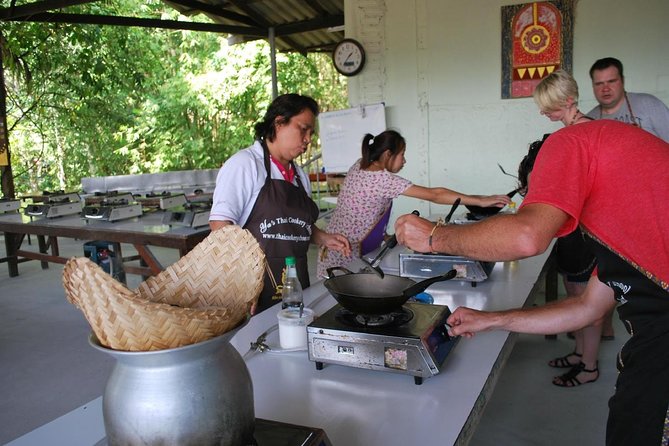
The class starts before the stove. You begin by choosing the best ingredients for your meal, which is where the lesson becomes useful at home. Thai cooking is often reduced to spice levels, but the structure is really about how flavors line up: salty, sweet, sour, spicy, and aromatic.
You’ll get an intro to what makes Thai food work: the colors, delicate aromas, and spices that create the dish’s signature profile. Then you move into hands-on preparation.
This ingredient-first start is a big advantage if you’ve ever tried to cook Thai food at home and ended up with something bland or “hot but not balanced.” The class teaches you how to think about flavor construction, not just the final dish.
You’ll also work with fruits and prep for spicy Thai salads as part of the included elements, so you’re not only cooking warm dishes. That variety helps you understand how Thai meals balance fresh, tangy components with cooked sauces and curry bases.
Curry paste is the star: grinding in a stone mortar
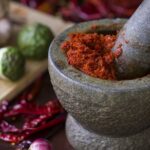
One of the most memorable parts is learning curry paste as an essential base recipe. In this class, you discover herbs and spices and grind them in a stone mortar.
Why this matters: curry paste is where Thai dishes get their depth. Store-bought paste can taste fine, but it often doesn’t teach you why the dish tastes right. By making it yourself, you learn the practical idea that Thai curry flavor comes from layers built early, not just from later simmering.
Even if you don’t memorize every ingredient, the method you learn helps you shop and assemble better at home. You’ll get a clearer sense of what the paste should smell like and how the texture changes through grinding.
For home cooking, this skill is gold. If you later want to make massaman curry or other curry-style dishes, you’re starting from a real flavor process instead of a black box.






What you’ll cook: classics like massaman curry and pad Thai (plus choice and variety)
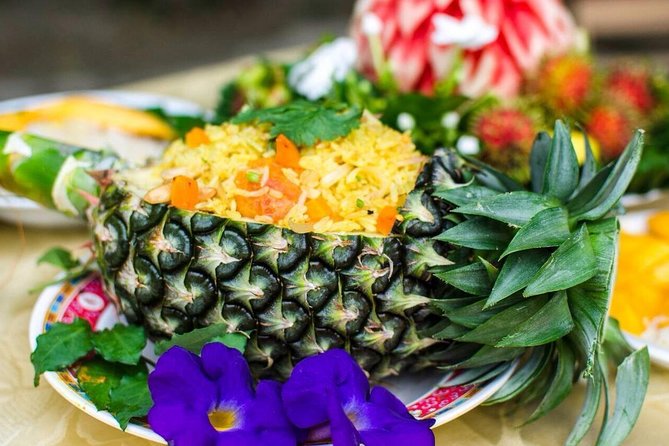
Dishes vary by class time, but you can expect Thai favorites. Many classes focus on dishes such as:
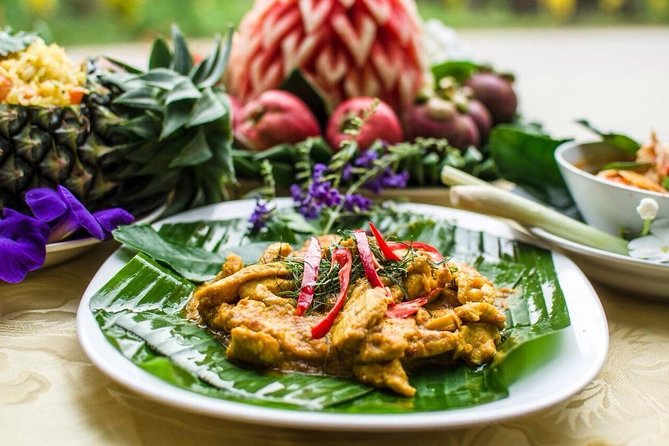
- Massaman curry
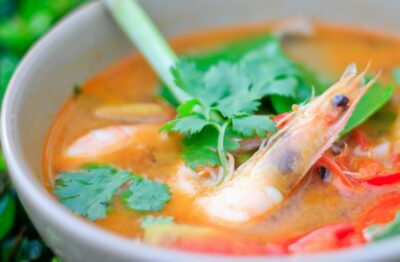
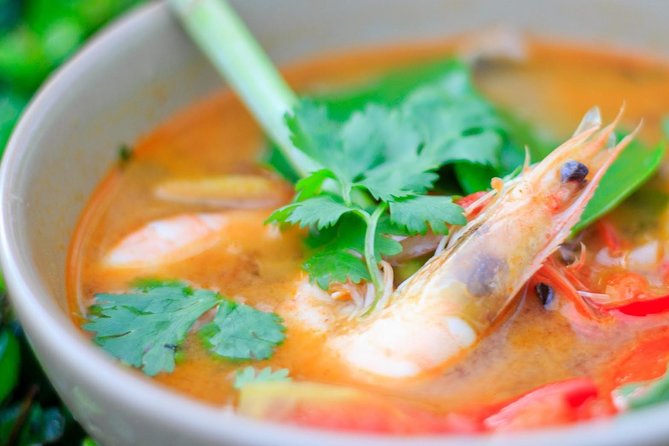
- Spicy prawn soup
- Stir-fried chicken
- Pad Thai
- Other Thai dishes offered through the class menu
A key detail for your planning: you can choose dishes and personalize them. Multiple participants described having a lot of recipe options, with each person creating their own dishes. That’s a meaningful difference from classes where everyone makes the same dish and hopes it matches their taste.
Also, the class can adapt for dietary needs. You can have dishes adapted for vegetarian preferences, so you’re not locked out if you eat plant-based.
One timing tip: because dishes and menu choices can change, treat the class like a hands-on sampler of Thai staples rather than a guaranteed checklist. If there’s one dish you care most about, book a time slot you can attend and then confirm what’s offered at that session when you receive your details.
The class flow: prep, cook, then eat together (and yes, you’ll be very full)
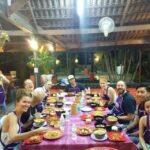
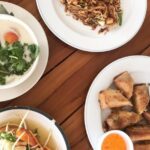
After you cook your dishes, you’ll savor your creations with the group. That’s part teaching and part reward. The feedback moment—watching what you made and hearing suggestions—helps you correct small issues like seasoning balance and texture.
Food quantity is not subtle. Many participants emphasized that you’ll be stuffed and may even have leftovers. One person even noted that food is so plentiful that you shouldn’t eat too much right before class.
Here’s the practical lesson for you: treat the class meal as the main meal of your day. If you snack heavily at a beach before you go, the later stage can feel like a lot. If you want to walk around afterward, plan for a slower pace.
Also, you may be able to take some food away, but convenience depends on your accommodation. If you’re staying somewhere with access to containers and refrigeration, that’s easier. If not, plan to enjoy it there.
A note on pace: when you learn fast, you also cook fast
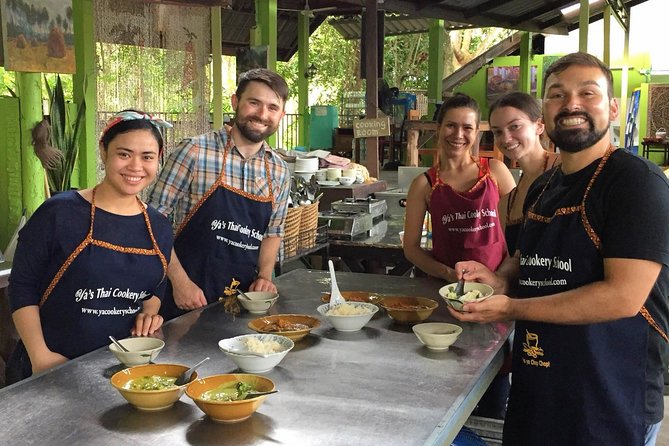
Some participants felt the class is a bit rushed, mainly because the cooking time is packed and the instructors may take over at times. That’s not unusual for cooking schools with a tight 3-hour schedule.
Still, it’s a real consideration. If you like to think through each step slowly, you might feel like you’re moving along with the momentum rather than owning every moment.
My advice: focus on picking up the biggest fundamentals—like how curry paste is built, how stir-frying is timed, and how flavor balance changes the finished taste. Even if you can’t linger over every small technique, you’ll leave with a workable cooking framework.
Drinks and small extras: bring cash if you want beer or soft drinks
The class includes drinking water, and it’s clear that water is part of the included setup. But if you want something like beer or soft drinks, that may be extra.
More than one participant suggested bringing small cash bills for on-site drinks. This is a practical habit in Thailand anyway, and it keeps you from scrambling if you want a cold drink with your meal.
Who this class is for (and who might want to rethink it)
This is a strong fit if you:
- Want a hands-on cooking lesson with real technique (not just tasting)
- Like learning the flavor logic behind Thai dishes, especially curry paste
- Want a small group experience where you can ask questions
- Eat a mixed diet and want vegetarian adaptations available
It may be less ideal if you:
- Hate being in a kitchen for the full cycle and having to eat everything you make
- Need a slower, more leisurely pace with minimal instructor takeover
- Are extremely concerned about day-of food safety, since one participant reported getting severe food poisoning the next day
That last point is important. The operator response emphasized that they take food safety seriously, use fresh ingredients, and follow proper handling procedures. They also said they hadn’t received similar complaints. Still, your personal risk tolerance is your call.
If you have any history of severe reactions to food handling issues, it’s smart to plan accordingly: stay hydrated, avoid taking risks with outside food that day, and listen to your body.
Where the class delivers the best “at-home” payoff
A Thai cooking class is only as useful as what you can reproduce later. This one has a built-in advantage: you learn the base techniques that matter most at home—like curry paste and balancing flavors for classics such as massaman curry and pad Thai.
Also, because you choose your dishes, you’re more likely to cook the ones you genuinely like. That increases your odds of using the recipes after the trip. If you’ve ever returned from a trip with a souvenir cookbook you never open, choose a class menu that fits your tastes.
The English instructions also help you avoid translation guesswork. Thai recipes often hinge on ratios and timing cues, and having clear steps in your language saves frustration.
Final verdict: should you book Ya Thai Cookery School in Krabi?
Yes, you should book it if you want a compact, fun, and genuinely practical Thai cooking lesson in Ao Nang. The small group (max 8), the included ingredients and transfers, the curry paste grind in a stone mortar, and the chance to choose and personalize dishes are exactly the combination that makes this feel like more than a tourist show.
Consider booking a time when you can treat it as a main meal, because you’ll almost certainly leave very full. If you prefer a slower pace, pick your mindset accordingly: this class is designed to move, teach, and finish with a full table.
If you’re planning around Krabi beaches and want one activity that gives you something lasting after you’re done snorkeling or temple-hopping, this is one of the best bets in the area for real cooking payoff.
FAQ
How long is the Ya Thai Cookery School class in Krabi?
The class runs for about 3 hours.
What’s the price per person?
The price is $45.99 per person.
Is hotel pickup included?
Ao Nang hotel transfers are included. Krabi Town pickup is listed as an additional 500 THB per group, and Klong Muang and Tubkaek Beach pickups cost extra as well.
What dishes will I cook?
Dishes vary by class, but options can include classics such as massaman curry, spicy prawn soup, stir-fried chicken, and pad Thai.
Can the class accommodate vegetarian preferences?
Yes. Dishes can be adapted to taste or vegetarian preferences.
How many people are in a class?
The class has a maximum size of 8 travelers.
What’s the cancellation policy?
You can cancel for a full refund if you cancel at least 24 hours before the experience starts. If you cancel less than 24 hours before, the amount paid is not refunded.