REVIEW · KRABI
Krabi: Elephant Care House Guided Tour with Hotel Transfers
Book on GetYourGuide →Operated by Krabi Elephant Care House · Bookable on GetYourGuide
Elephants in the jungle are already a wow. What makes this Krabi experience click is the hands-on care angle: you get to enjoy a stream walk and watch a muddy bath, with elephants treated like locals’ family members. I also like the rule that elephants can disengage from contact whenever they want. One thing to keep in mind: even though the total tour runs about 4 hours, your actual time in the water and on the ground with the elephants can feel shorter depending on the day’s flow.
The Elephant Care House sits in Khao Phanom Bencha National Park, about a 15-minute drive from Krabi Town. The setting is high and forested (the park area reaches about 1,397 meters), so the air feels different than the coast, and you’re trading tour-city crowds for streams, jungle shade, and mountain views.
Guides bring the education piece without turning it into a lecture. I’ve seen guide names like Cocky and Cookie pop up in the experience, and they run the day in multiple languages, including English and Chinese, with Thai support too.
In This Review
- Key highlights that shape the day
- Khao Phanom Bencha National Park: a calmer elephant day near Krabi Town
- From your hotel to the safety briefing: how the day gets organized
- The jungle stream walk: your role in a respectful “together time”
- Camp activities and elephant prep: making food and getting briefed on care
- Mud baths and skin cleaning: hands-on elephant care without the riding
- Bath with the elephants: why the best moments can be the messiest
- Feeding pineapples and bananas: the moment you slow down and watch
- Photos, timing, and group size: getting the shots without stressing the elephants
- Price and value of the $57 tour: what’s included, and what that means
- Who should book this elephant care tour in Krabi?
- Should you book Krabi Elephant Care House?
- FAQ
- How long is the Krabi Elephant Care House guided tour?
- What’s included in the tour price?
- Where will they pick me up?
- Does the tour allow riding the elephants?
- What elephant activities are included?
- Can elephants disengage from contact?
- What languages are the guides available in?
- What should I bring for the day?
- What happens if it rains?
- Is the tour refundable if I cancel?
Key highlights that shape the day
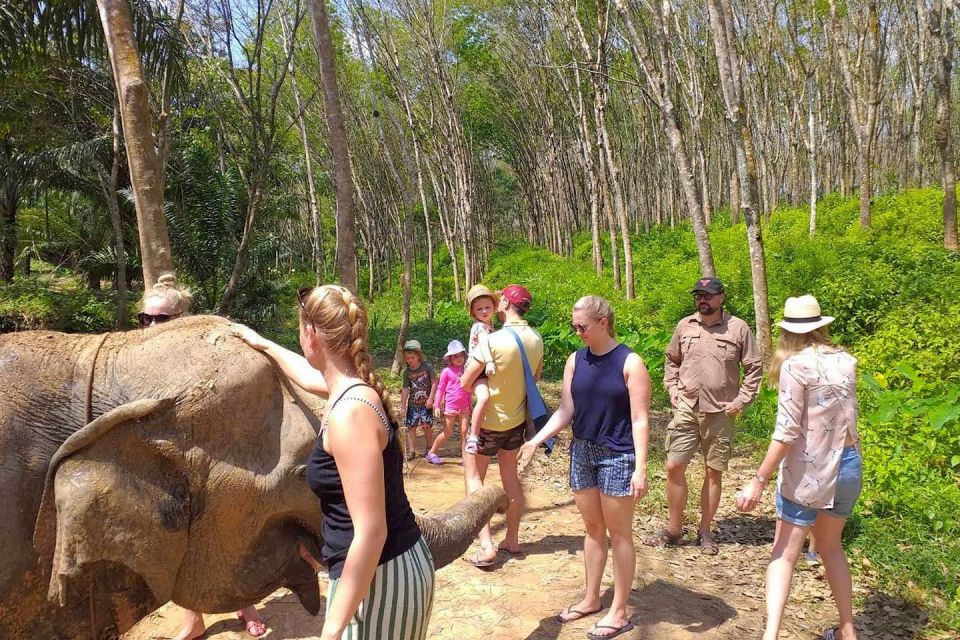
- A sanctuary-style approach with no riding: you interact through walking, washing, and feeding, not sitting on the elephants.
- Elephants choose contact: you’re reminded that they can move away if they want space.
- Jungle stream walk: a 45-minute walk that feels more like gentle time together than a stunt trail.
- Muddy bath plus skin cleaning: you’ll get close to the elephant-care routine, including scrubbing and bathing.
- Real freedom in the open: the elephants roam the surrounding area and often step in and out of your day.
- Small, human-sized experience: many groups report enough time for photos without an exhausting push-and-pull schedule.
Khao Phanom Bencha National Park: a calmer elephant day near Krabi Town
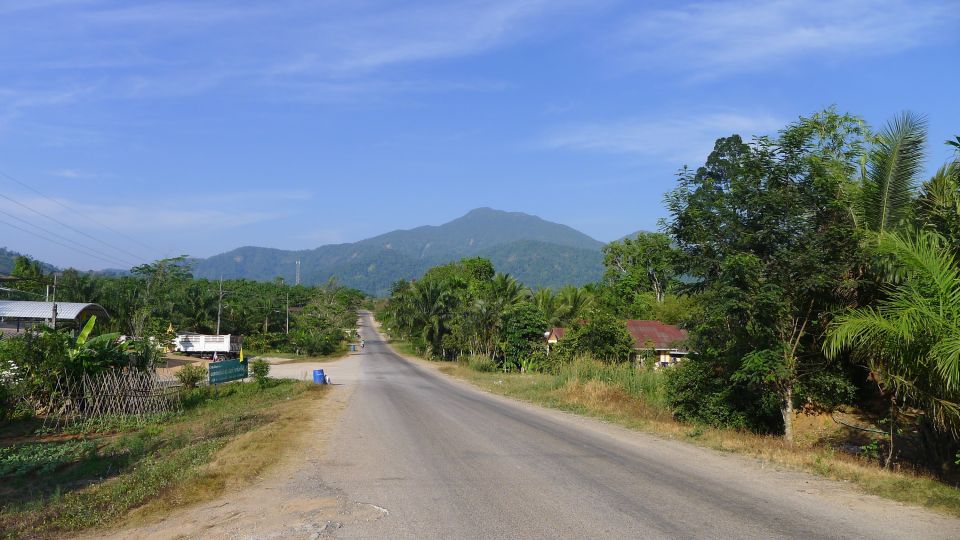
Krabi doesn’t just do beaches. This tour pulls you inland into Khao Phanom Bencha National Park, a place with forest, streams, and waterfalls (plus caves in the wider area). The biggest practical win is the short transfer time from Krabi Town—about 15 minutes—so you aren’t losing half your day on the road.
The high-altitude feel also matters. Even when Krabi’s coastal heat is strong, the park area can feel cooler and more shaded once you’re surrounded by dense greenery. That’s the kind of setting that makes the elephant interactions feel quieter and more natural, because you’re not fighting the noise and glare of a crowded roadside operation.
And yes, you will still deal with humidity, mud, and water (this is an elephant care day, not a dry museum visit). But you’re doing it in a protected jungle environment where the elephants can move in and out as needed.
You can also read our reviews of more guided tours in Krabi



From your hotel to the safety briefing: how the day gets organized
Your day starts with round-trip hotel transfers, with pickup offered from places like Ao Nang, Krabi Town, Ao Nam Mao, Klong Muang, and Tubkaek Beach. If you’re staying farther south or north, the meeting approach changes: Railay pickups go from the boat ticket office at Ao Nam Mao Pier, and Tonsai uses a meeting point at Phra Nang Inn reception in Ao Nang.
After pickup, you’ll reach the Elephant Care House and get a safety briefing (about 15 minutes). This is where the tone is set: the elephants aren’t props, you aren’t in control of their bodies, and the staff makes it clear you’re there to support care routines, not perform a ride or force contact.
Then you shift into your first activity block (around 15 minutes), which is often centered on getting ready to feed and interact. Expect guides to explain what’s happening and why, and to keep things moving at a pace that doesn’t feel frantic.
One small reality check: the overall tour duration is listed as 4 hours, but the onsite time can vary. Some days you’ll spend more total time with the elephants; other days, logistics and group pacing tighten the window.
The jungle stream walk: your role in a respectful “together time”
The core “walk with the elephants” moment is about 45 minutes. You’ll be following along a stream in the jungle, with elephants moving through their environment. The best part here is that the walk doesn’t feel like a lineup with a finish line. You’re not pushing them down a route; you’re sharing space as they choose what they do next.
This matters if you care about how elephant interactions should feel. The tour is set up so elephants roam freely and can disengage from contact at will. In practice, that means you’re watching for elephant comfort first, not trying to squeeze in extra contact because you paid for a time slot.
Also, think about comfort. A stream walk means uneven ground, damp paths, and muddy patches. Wear clothes you don’t mind getting splashed, and bring shoes or water-friendly footwear you can trust. If you’re the type who hates wet feet, this part may test your patience—but it’s also the most authentic part of the day.
Camp activities and elephant prep: making food and getting briefed on care
Before you get fully into walking and bathing, you’ll do short camp activities (around 15 minutes). The highlights focus on feeding pineapples and bananas, and the day is designed so you’re not just handing snacks. You’ll be guided through the process of preparing and offering food in a controlled, calm way.
That “guided prep” is one of the quiet value-adds. It prevents the usual chaos you get at some animal attractions, where people rush forward and the staff tries to play traffic cop. Here, you get direction on how to participate, and the staff keeps the elephant experience as the priority.
You’ll also get welcome refreshments (part of a block that can run close to an hour). This tends to be the “reset” moment—water and fruits are included—so you can cool down and dry off a bit before the more wet, muddy activities.
Mud baths and skin cleaning: hands-on elephant care without the riding
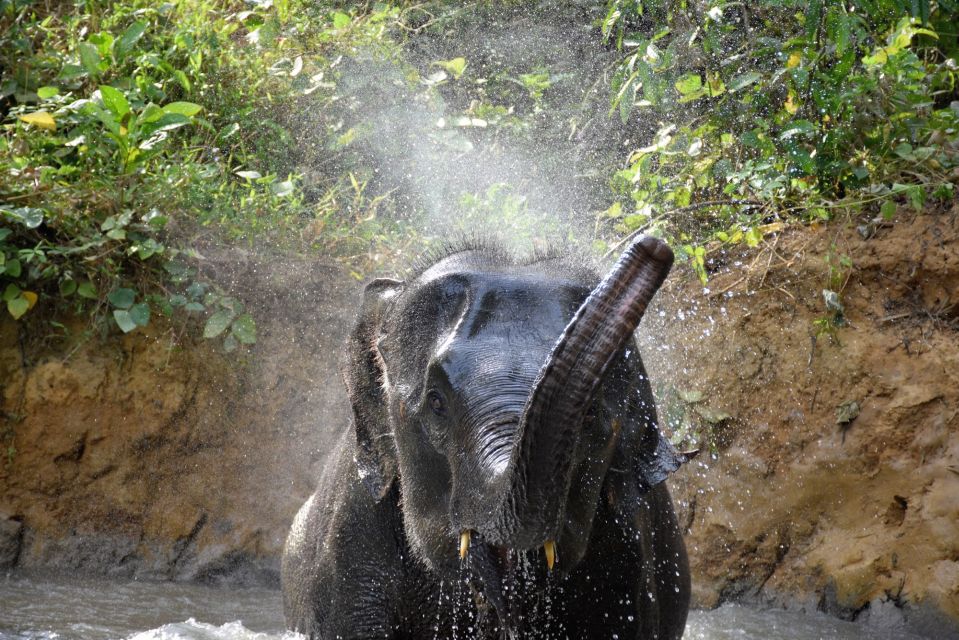
This is the part most people remember. The tour includes watching how elephants take a muddy bath, cleaning their skin, and even taking a bath with them. The setup is very much “care routine” rather than “pose and go.”
What to expect:
- Mud is part of the process. Elephants use it like a protection and cooling routine.
- Water splashes happen. You’ll get wet, and it’s normal.
- Skin cleaning is done with staff guidance. You’re supporting the process, not grabbing and scrubbing like you’re in a hurry.
A few practical tips that show up again and again: bring insect repellent, wear sunscreen, and protect your phone. People commonly suggest a waterproof phone case because the combination of water, mud, and splashing can turn into a frustrating photo-loss event fast.
If you’re wondering whether you’ll feel rushed: many participants describe the experience as intimate and not treadmill-paced. At least one visitor noted that the elephants were well relaxed and that the team ensured activities only happened after the elephants were comfortable. That’s the difference between a show and an interaction.



Bath with the elephants: why the best moments can be the messiest
Taking a bath with elephants sounds glamorous until you’re standing there soaking wet in jungle water. Still, that mess is often the point. This tour doesn’t sell a dry postcard. It gives you a close, physical view of elephant care—washing, splashing, and gentle movement in water—while the elephants keep their choice and their pace.
In one described visit, the focus was on four adult female elephants, and the elephants moved calmly through the interaction flow. You might not always have the exact same number of elephants on your day, but the pattern is consistent: you meet a small group and spend quality time in a natural setting.
Another detail worth knowing: weather can change your comfort level. Heavy rain has happened, and raincoats were provided. Even with good planning, jungle weather is jungle weather.
Feeding pineapples and bananas: the moment you slow down and watch
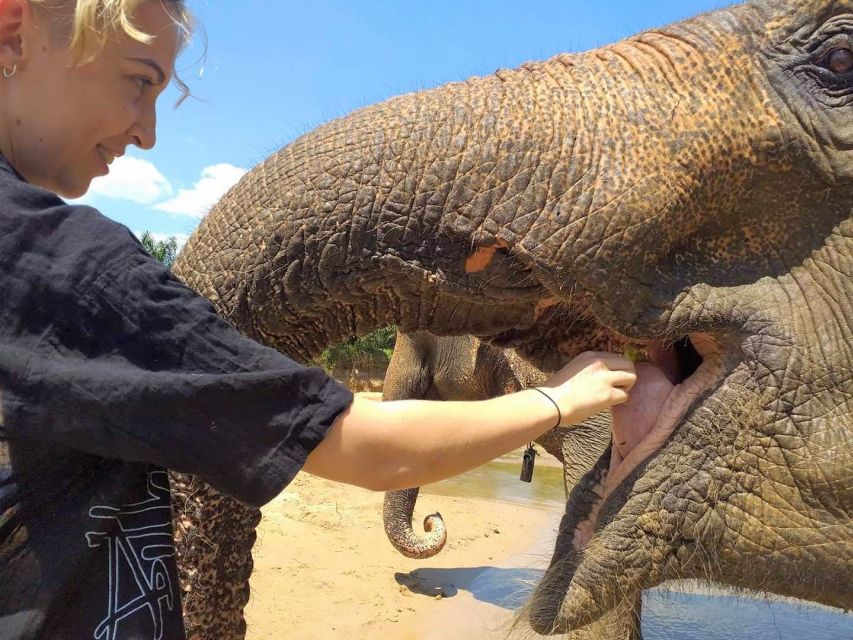
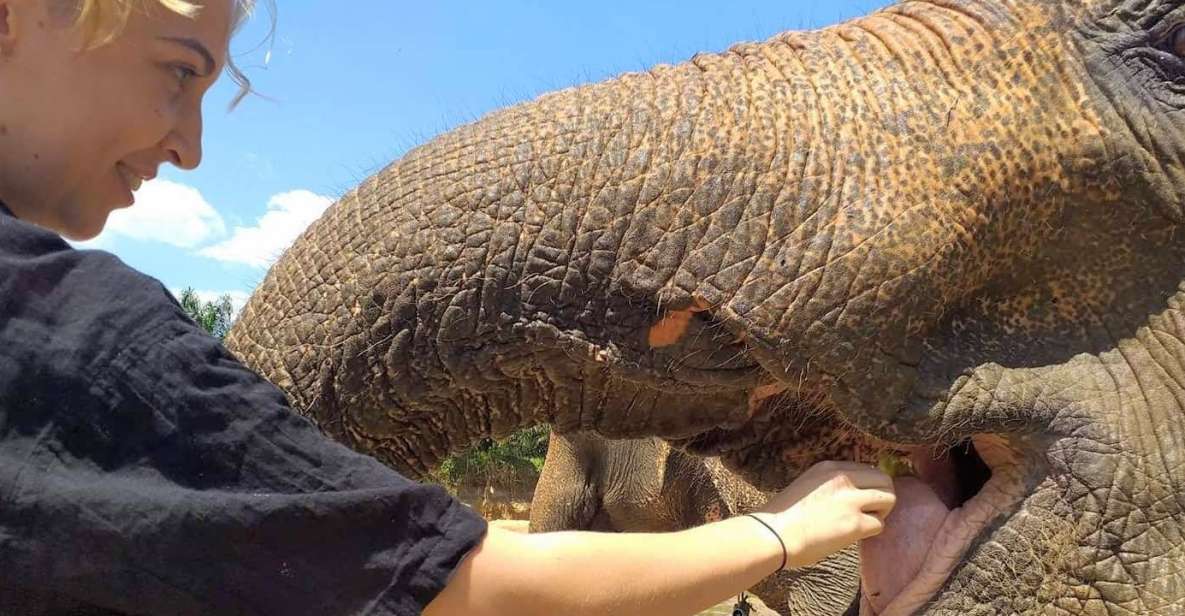
Feeding is included, and pineapples and bananas are on the menu. This part is more than a food moment. It helps you understand the rhythm of the day and lets you watch the elephants approach, accept, and move away at their own pace.
Since elephants can disengage from contact when they want, feeding isn’t a command. You’ll be guided to offer food appropriately, and then you’ll watch what the elephants choose to do next. That changes your mindset from grab-and-go to observation.
It also improves the photo experience. When the elephant is calm and comfortable, you can get good shots without forcing awkward angles. Just remember: some groups can become chaotic with too many people trying to shoot at once. If you want cleaner photos, stand back a little and let the staff position the group.
Photos, timing, and group size: getting the shots without stressing the elephants
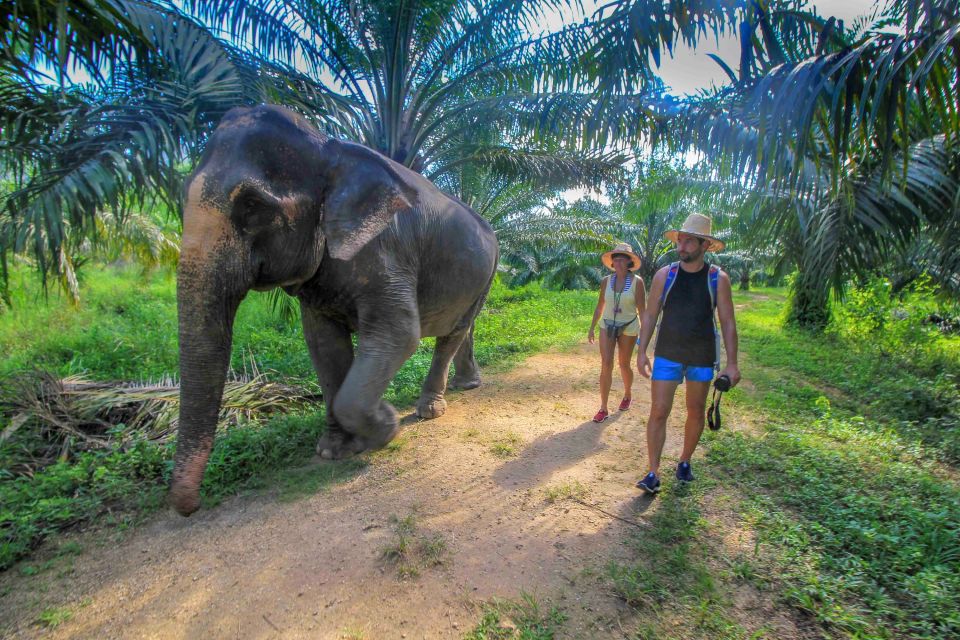
This tour tends to run as a small-group experience. Some people reported having only a few others on the day, which means more time at each activity and more room to take pictures. Others mentioned group sizes still stayed calm compared with mega-attraction crowds.
Timing can be the wild card. The total trip length is listed as 4 hours, but multiple accounts describe shorter actual elephant contact time onsite. Driving time is part of the schedule, and there’s also buffer for safety talk, preparation, and transitions between activities.
My practical advice: plan your Krabi day with low stress. Don’t stack another tour right after. Even if the tour finishes on time, you’ll likely be wet, muddy, and ready for a slow return.
And do yourself a favor with your phone:
- Use a waterproof phone case or a protective pouch.
- Keep your camera secure and dry if it isn’t waterproof.
- Expect mud splatter.
If you pack like you’re going to the beach, you’ll feel ready instead of surprised.
Price and value of the $57 tour: what’s included, and what that means
At about $57 per person, the value is in what’s bundled. You get hotel round-trip transfers, a professional guide (with English and Chinese spoken support, plus Thai), drinking water and fruits, and basic accident insurance.
Here’s how I’d frame the cost: you’re paying for (1) transport that removes the hardest logistics in Krabi, (2) a guided structure that keeps interactions safe and elephant-first, and (3) hands-on activities that most elephant experiences either restrict or replace with long viewing-only time.
The one value question you should ask yourself is whether you want a short, hands-on contact window or a longer day. Even though the total time is 4 hours, the time physically spent with the elephants may be closer to a couple hours depending on the day’s flow. If you’re expecting an all-day elephant hangout, you might feel shortchanged.
If you want a focused, well-run encounter with walking, mud baths, cleaning, bathing, and feeding, this price starts making sense quickly—especially with transfers included.
Who should book this elephant care tour in Krabi?
Book this if you want:
- Hands-on interaction that excludes riding
- A calmer jungle setting near Krabi Town
- A guided experience where elephants can disengage from contact
- A day designed around care routines (walking, feeding, bathing, cleaning), not performance
You might reconsider if:
- You hate getting wet and muddy (this is part of the process)
- You’re uncomfortable around unpredictable weather
- You want guaranteed long time in the water every time (the schedule can flex)
This is also a strong fit for families who can handle water activities and for animal lovers who care more about respectful behavior than about a trophy photo.
Should you book Krabi Elephant Care House?
I’d recommend booking if your idea of a great elephant day is close, gentle, and structured around care—not riding and not rushing. The combination of hotel transfers, multi-language guides, and the no-riding policy gives you a more grounded experience than many alternatives.
If you go, bring swimwear and an extra change of clothes, protect your phone, and treat the muddy bath as the main event. If your biggest goal is a long, uninterrupted elephant session, readjust expectations and aim for a flexible schedule.
When you’re ready, this is the kind of Krabi outing that helps you leave with real memories: jungle air, muddy water, careful elephant routines, and a sense that these animals are treated like family, not equipment.
FAQ
How long is the Krabi Elephant Care House guided tour?
The duration is listed as 4 hours. You should check availability to see starting times, since the exact schedule can shift with pickup and group flow.
What’s included in the tour price?
Hotel round-trip transfers are included, along with drinking water and fruits. You also get a professional guide and basic accident insurance.
Where will they pick me up?
Pickup is offered from Ao Nang, Krabi Town, Ao Nam Mao, Klong Muang, and Tubkaek Beach. If you’re staying at Railay, pickup is arranged from the boat ticket office at Ao Nam Mao Pier. For Tonsai Beach, you meet at Phra Nang Inn reception in Ao Nang.
Does the tour allow riding the elephants?
No. Riding the animals is not allowed.
What elephant activities are included?
You can walk with the elephants along a stream, watch their muddy bath, clean their skin, take a bath with them, and feed them pineapples and bananas.
Can elephants disengage from contact?
Yes. The tour notes that elephants can disengage from contact at will.
What languages are the guides available in?
The tour provides live guidance in English, Thai, and Chinese.
What should I bring for the day?
Bring sunglasses and sun hat, swimwear and a change of clothes, a camera, sunscreen, comfortable clothes, and insect repellent.
What happens if it rains?
Rain is part of jungle weather. Raincoats have been provided during heavy rain in at least some cases, so plan to get wet anyway and stay flexible.
Is the tour refundable if I cancel?
Free cancellation is offered up to 24 hours in advance for a full refund.