REVIEW · KRABI
Krabi: Elephant Feeding Program with Food Preparation
Book on GetYourGuide →Operated by Krabi Elephant Shelter · Bookable on GetYourGuide
Elephants love cake-time in Krabi. This Krabi elephant feeding session in Ao Nang is a hands-on 30 minutes where you chop fresh ingredients, shape them into mini cakes, and feed the elephants by hand with caretakers who talk you through elephant behavior.
What I liked most is how practical it feels, like you’re learning while you do.
Next, I really valued the ethical sanctuary visit. You explore a home for retired and rehomed elephants from tourism and logging, meet their caretakers, and see how each elephant is cared for with respect and attention. One thing to consider: the whole program is short, and it runs rain or shine, so plan for a quick, active session rather than a slow day.
In This Review
- Key things to know before you go
- Krabi elephant feeding with food prep: what this experience really is
- Price and what you actually get for about $27
- Pickup in Ao Nang and Klong Muang: timing and practical planning
- Food preparation: chopping, shaping mini cakes, and learning as you go
- Hand-feeding: close contact with guidance and elephant personalities
- Sanctuary time: retired elephants and what ethical care looks like
- Who this Krabi elephant feeding program suits best
- Rain or shine: how weather affects your experience
- What’s missing: meals and photography
- My quick decision guide: should you book this one?
- FAQ
- How long is the Krabi elephant feeding experience?
- What areas are hotel transfers included in?
- When will pickup happen?
- Is there a fee for pickup outside the main areas?
- What languages is the live tour guide available in?
- Does the tour run in bad weather?
- What should I bring for accident insurance?
Key things to know before you go
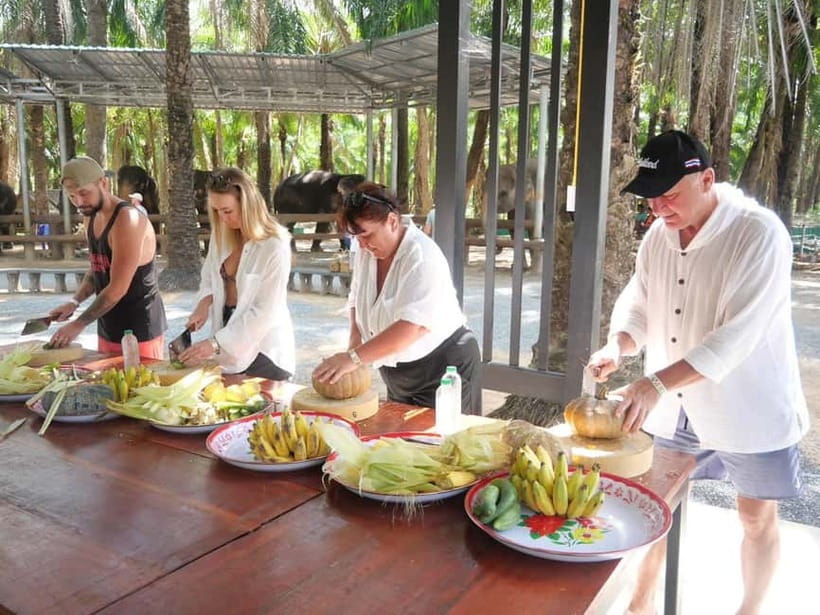
- Mini “cake” food prep: chop fruit and veggies and arrange them into small cakes for the elephants
- Hand-feeding with caretakers: you feed directly while experts guide behavior and safety
- Sanctuary focus: you visit a home for retired and rehomed elephants from tourism and logging
- Close learning, not a show: you learn about unique personalities and elephant care while you interact
- Pickup included in key areas: Ao Nang, Klong Muang, and Nopparat Thara areas are covered
- Bring your passport photo: accident insurance requires a photo stored on your phone
Krabi elephant feeding with food prep: what this experience really is
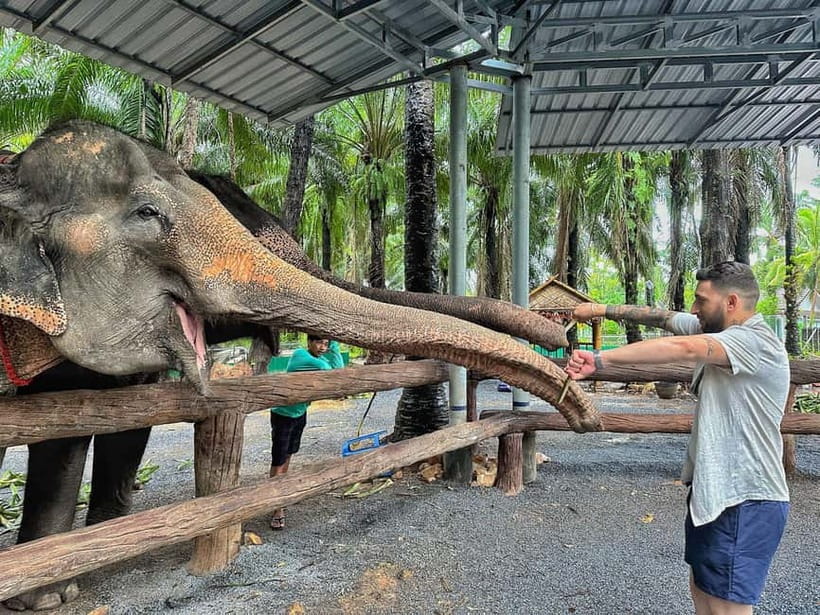
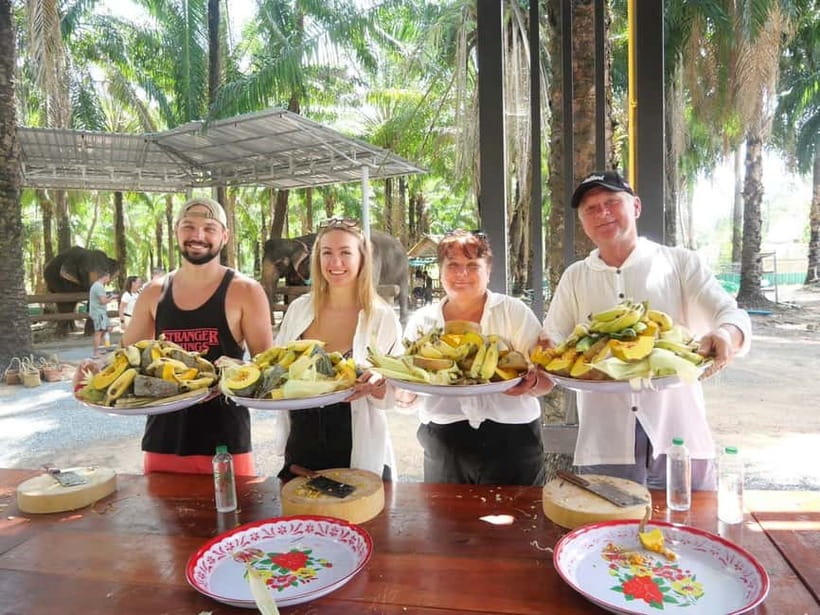
This is an Ao Nang elephant feeding program with food preparation, built around one simple idea: you don’t just stand there and watch. You help make the meal first—fresh fruit and vegetables—then you feed the elephants with expert guidance.
That matters, because elephant encounters can range from educational to exploitative. Here, the program includes a sanctuary visit for retired and rehomed elephants, including those coming out of the tourism and logging industries. Instead of treating feeding like entertainment, the focus is on caretaking routines and learning elephant personalities.
The best part for me is that you get both sides in one compact session: food prep plus a direct, hands-on feeding moment, followed by sanctuary time to see how elephants are cared for when they’re no longer used for work or attractions.
You can also read our reviews of more food & drink experiences in Krabi

Price and what you actually get for about $27
At around $27 per person, this sits in the budget-friendly-to-mid range for Krabi animal experiences. What makes it feel like decent value is that several common add-ons are already included.
Here’s what’s included:
- Hotel transfer for Ao Nang, Klong Muang, and Nopparat Thara areas
- Ingredients and materials for the food prep
- Coffee, tea, drinking water, plus seasonal fruit
- Accident insurance
- A live guide (English and Thai)
Not included:
- Meals
- Photographer (so you’re on your own for photos)
In other words, you’re paying for the full experience package: guidance, supplies, and your time with the elephants. If you’re someone who hates surprise costs on tours, this is the kind of pricing that’s easier to trust.
Just keep your expectations realistic about duration. The listed time is 30 minutes, so you’re buying a short, structured session—not a half-day or full-day deep visit.
Pickup in Ao Nang and Klong Muang: timing and practical planning
Pickup runs 30 minutes to 1 hour before your session starts. That wide window is normal for Krabi-area pickups, so I suggest building in buffer time—especially if you’re staying in Ao Nang and need to cross traffic and find the right pickup point.
Pickup coverage is clearly tied to area:
- Covered areas include Ao Nang, Klong Muang, and Nopparat Thara (hotel transfer included)
- If you’re outside the pickup coverage, there’s an extra charge: 200 THB per person if pickup is outside the Aonang and Klong Muang Beaches areas
The big practical tip: confirm where you’ll be picked up the day before. If your hotel is near the edge of the covered zone, that small detail can save you time and hassle.
Also, this tour happens rain or shine. Krabi showers can be quick, but they can also turn the ground slick. Bring shoes you don’t mind getting a bit wet, and wear something you can move in comfortably.
Food preparation: chopping, shaping mini cakes, and learning as you go
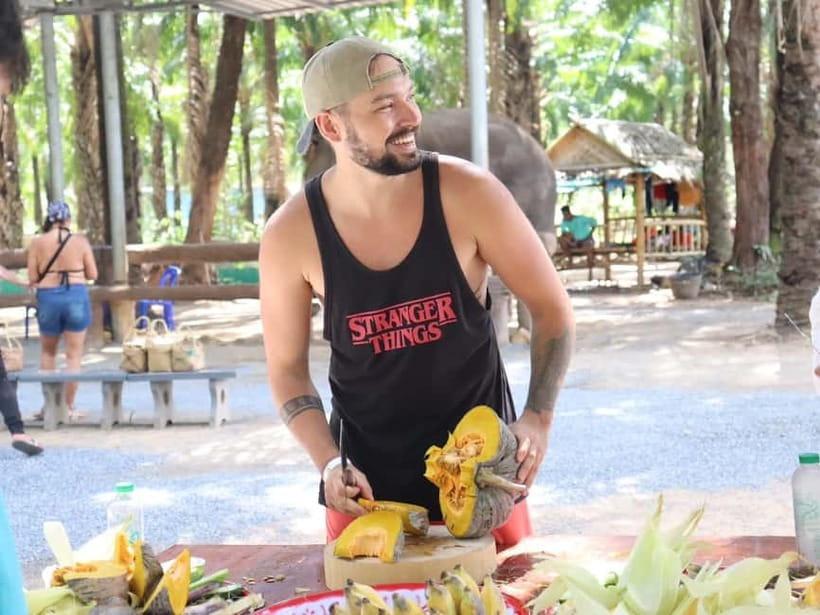
This is a hands-on food preparation experience, and you’ll feel that from the start. Under the guide’s direction, you’ll work with fresh ingredients—fruit and vegetables—and turn them into small “cakes” made for the elephants.
Even if you’ve never chopped produce for animals before, the routine is straightforward:
- You prep the ingredients (chop the fresh items)
- You arrange the food into mini “cakes”
- You learn about elephant behavior and what to expect while feeding
Why this part is worth it: it gives you context. You’re not just doing a single moment of contact. You’re building a small understanding of what elephants are given and how caretakers approach feeding. It also keeps the experience active, which fits the 30-minute timeframe.
You’ll also have coffee, tea, drinking water, and seasonal fruit included. That’s a nice touch because it helps you stay comfortable while you wait for your session start or while you transition from prep time to feeding.
Hand-feeding: close contact with guidance and elephant personalities
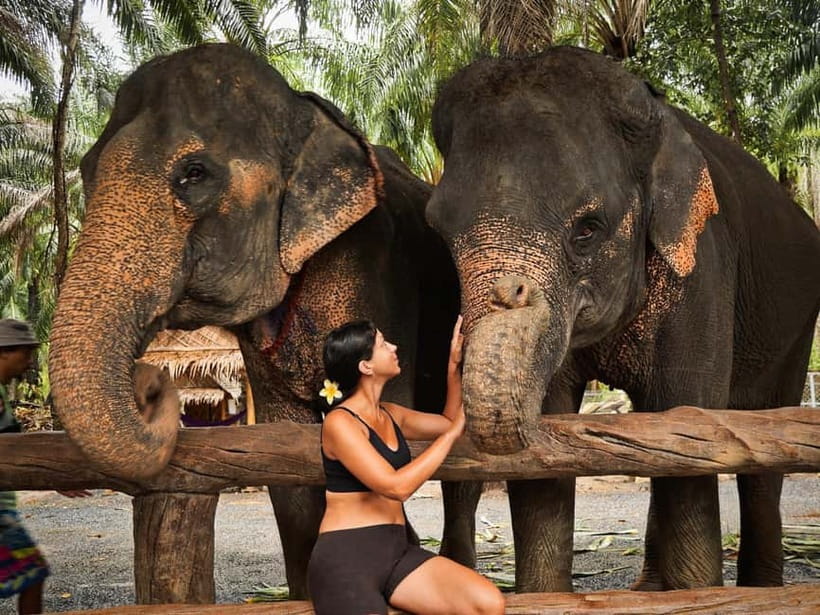
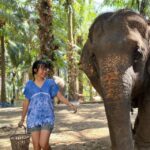
Once the food prep is done, caretakers step in to guide the feeding. You’ll be able to get up close with elephants and feed them by hand, while experts oversee safety and help you understand what you’re seeing.
This part matters for two reasons.
First: safety. Elephant feeding should never feel like a free-for-all. The program includes expert caretakers to ensure a safe, educational, hands-on experience. If anything feels off—food handling, timing, or how you approach—listen and adjust fast.
Second: personality. The program emphasizes that each elephant has its own character. During feeding, you’re meant to notice differences in how elephants respond and interact, guided by the caretaker’s explanations.
One detail that stood out in a positive account: Farhana from Australia highlighted that the guide was interactive and friendly, and that the person-to-animal interaction felt engaging rather than rushed through a script. That lines up with what you want from a feeding experience: you learn something, not just follow instructions.


Sanctuary time: retired elephants and what ethical care looks like

After the feeding moment, you move into the sanctuary portion of the program. The focus here is on elephants that have been retired and rehomed—including elephants from tourism and logging—and a living situation built around care rather than performance.
You’ll explore the sanctuary, meet elephants and their caretakers, and see how each elephant is cared for with love and respect. The point is to help you connect feeding to a bigger story: what happens before and after the attention of a tour.
This is also where you can slow down a bit mentally. Feeding is exciting, but sanctuary time helps you understand the goal. You’re getting a small window into welfare-based care, not just an animal encounter.
If you care about ethics, this is one of the most meaningful parts of the program. It turns your visit into more than a photo moment. It’s about seeing that retired elephants still have daily needs and that their caretakers treat those needs as the priority.
Who this Krabi elephant feeding program suits best
This activity works best if you want a short, structured, hands-on animal experience in Krabi that includes an ethical sanctuary visit.
It’s a good fit for:
- Adults and older teens who want direct interaction while learning
- People who prefer guidance and structure over self-guided animal contact
- Travelers who value the sanctuary element and want to see retired elephants cared for respectfully
It’s not suitable for:
- Children under 10 years (that’s a clear rule)
And a quick reality check: with a 30-minute format, it’s not meant to replace a longer sanctuary tour. If you want hours of walking, long talks, or a deeper, slow-paced visit, you might feel the time is tight. That’s not a negative for everyone—it just affects who enjoys it most.
Rain or shine: how weather affects your experience
Because the tour runs in rain or shine, you’ll want to plan for wet conditions. Krabi downpours can be intense but short, and the ground can get slippery.
Practical approach:
- Wear shoes with grip
- Keep a light rain layer handy
- Don’t plan anything right after that requires a long dry walk
The good news: since the program is built around feeding and a sanctuary visit, it’s not dependent on a long outdoor viewpoint. You still get the main experience even when weather changes.
What’s missing: meals and photography
Two things to plan around:
- Meals are not included. You’ll likely want to eat before or after. Since coffee, tea, drinking water, and seasonal fruit are included, you’re not walking in totally empty-handed, but it won’t replace a full meal.
- No photographer is included. If photos matter to you, bring a camera/phone that can handle close-up shots, and be ready to take them during your feeding moment.
Also, because accident insurance is included, you’ll need a passport photo saved on your phone. The physical passport or printed copy isn’t required, but the program may ask for the image in an emergency. This is an easy thing to handle once you have your phone ready.
My quick decision guide: should you book this one?
Book this Krabi elephant feeding program if you want:
- A hands-on session with food prep and hand-feeding
- Expert caretaker guidance for safety and learning
- The added sanctuary component for retired and rehomed elephants
Skip it (or look for a longer alternative) if:
- You’re expecting a long, unhurried encounter; the program is 30 minutes
- You’re traveling with a child under 10 years
- You need included meals or a photographer service
If you’re the type who likes real interaction with animals—but still wants it to feel responsible—this is one of the more sensible ways to do it in Krabi.
FAQ
How long is the Krabi elephant feeding experience?
The duration is 30 minutes.
What areas are hotel transfers included in?
Hotel transfer is included for the Ao Nang, Klong Muang, and Nopparat Thara areas.
When will pickup happen?
Pickup is scheduled 30 minutes to 1 hour before the session starts.
Is there a fee for pickup outside the main areas?
Yes. If pickup is outside the Aonang and Klong Muang Beaches areas, there is a 200 THB per person charge.
What languages is the live tour guide available in?
The live tour guide is available in English and Thai.
Does the tour run in bad weather?
Yes. The tour takes place rain or shine.
What should I bring for accident insurance?
You should take a photo of your passport and save it on your phone. You do not need to bring the physical passport or a printed copy, but they may request the image in case of emergency.