REVIEW · KRABI
Krabi: Small Group Yawasam and Talu Islands Snorkeling Tour
Book on GetYourGuide →Operated by Koh Tour · Bookable on GetYourGuide
Fast snorkeling, no big crowds. You’ll hit Yawasam Island and then swim through Talu Cave into a lagoon in a tight, small-group setup. I like that the tour keeps the day practical: hotel pickup, gear included, and enough time at each stop to actually enjoy the water instead of just posing on the boat.
My other big win is the off-the-beaten-path feeling. You start on Nopparat Thara Beach, cruise across the Gulf of Thailand, snorkel coral and fish right away, and end with a relaxed return by late afternoon. One possible drawback: the famous cave-and-lagoon swim can depend on tide and weather, so it’s worth going in flexible and staying alert to guide instructions for what’s possible that day.
In This Review
- Key things to know before you go
- Krabi snorkeling on a max-15 longtail boat (8 hours)
- Yawasam Island snorkel: reef time with Nemo-style sightings
- Talu Island and Talu Cave: the lagoon swim depends on tide
- Lunch on Buya Beach at Koh Poda (halal + vegetarian)
- Guides, safety, and how they keep things calm
- Gear checklist for comfort: water shoes matter
- Price and value: $62 plus park fees
- Weather and tide: why your cave moment isn’t guaranteed
- Who should book this (and who should skip it)
- Should you book the Krabi Yawasam and Talu Islands snorkeling tour?
- FAQ
- How big is the group for this snorkeling tour?
- What snorkeling gear is included?
- Are national park fees included in the price?
- Where does hotel pickup happen?
- Can I cancel and get a full refund?
- Is the tour suitable for non-swimmers?
Key things to know before you go
- Small group (max 15) so you spend more time in the water and less time stuck in a crowd.
- Talu Cave at low tide opens into a wide lagoon, so timing matters.
- Snorkel gear + life vests included meaning you can travel light and get in quickly.
- Beach lunch at Buya Beach includes halal and vegetarian options, with a backup option if winds kick up.
- Off-route snorkeling focused on marine life rather than constant sightseeing stops.
Krabi snorkeling on a max-15 longtail boat (8 hours)
This is an 8-hour small-group snorkeling day in Krabi’s Gulf waters. The group size cap (up to 15 people) is a big deal here. Fewer people usually means less congestion in the water and more freedom to choose the spots where the fish actually hang out.
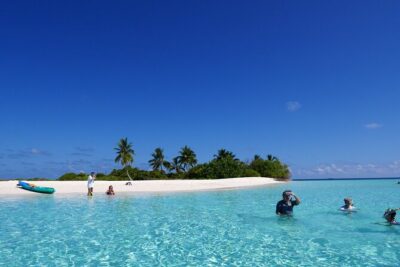
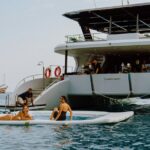
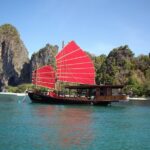
You get hotel pickup and drop-off from Ao Nang, Krabi Town, Klong Mueang, and Tub Kaek. Plan to be ready in the lobby at the agreed pickup time. Then you head to Nopparat Thara Beach, where you board a traditional longtail boat. The ride to the first snorkeling area is about 30 minutes across turquoise water, which is long enough for the morning to feel like a real outing, but not so long that you’re exhausted before your first swim.
The tour is built around snorkeling, not hopping from viewpoint to viewpoint. Snorkel gear (mask, snorkel, fins) and life vests are included, plus drinking water, seasonal fruit, and accident insurance. That combination helps this tour feel like solid value rather than a budget ticket with “good luck” logistics.
You can also read our reviews of more snorkeling tours in Krabi
Yawasam Island snorkel: reef time with Nemo-style sightings
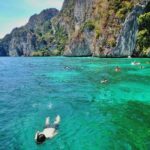
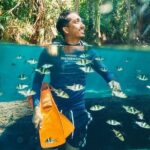
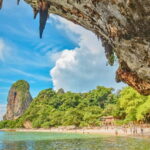
Yawasam Island is your first stop, and it sets the tone for the day. This is where you get your initial snorkel in relatively calm, “get your bearings fast” conditions—snorkel among coral formations and scan for fish that like to hang around the reef edges.
One detail that matters: the tour specifically calls out clownfish, including the classic Nemo-style look. Even if you don’t catch that exact orange-and-white moment, the real point is reef structure close to the surface. You don’t need to be an advanced swimmer with special gear; you just need to follow the guide’s rhythm and keep an eye on where you enter and exit the water.
You’ll also likely see a mix of colorful reef fish and smaller marine life. In plain terms, this stop is about turning your snorkel session from something you do for 10 minutes into something you actually remember.
Possible catch: your visibility depends on the day. One person noted that the reefs weren’t as eye-popping in color as expected, even while fish activity was good. That’s the honest reality of snorkeling in Thailand—conditions can be great or merely good.
Talu Island and Talu Cave: the lagoon swim depends on tide
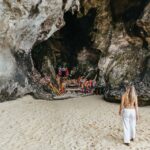
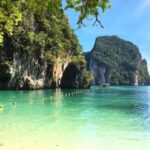
Then comes the part people talk about: Talu Cave and the swim out into a lagoon. The tour route is designed around the cave opening at low tide, when you can swim through the cave area and into a lagoon that’s described as about 30 meters wide.
This is a “watch your footing, manage your breath, follow the guide” kind of moment. It’s not just snorkeling; it’s snorkeling with a point of interest. You’ll see the cave opening change as you move, and then you’ll reach the wider water where the lagoon feels calmer and more sheltered.
Two practical things to keep in mind:
- If the conditions aren’t right (especially tide and weather), the experience may shift away from the cave portion.
- Even on a good day, swim speed and comfort matter. Stay relaxed, use your fins efficiently, and don’t fight the current.
I also think it’s wise to ask your guide how the cave plan looks once you arrive. A small number of people felt the cave/lagoon wasn’t fully delivered as described, which usually comes down to real-time conditions rather than a bad attitude. Still, it’s your day—clarify early.
Lunch on Buya Beach at Koh Poda (halal + vegetarian)
After snorkeling, the tour slows down for lunch. You’ll stop at Buya Beach, described as a secluded spot at the southern tip of Koh Poda. The meal is a beachside setup, eaten right on shore. That matters more than you might think: you’re not eating a sad boxed lunch while standing in the heat. You’re breaking up the day in a place that feels like Krabi, not a parking lot stop.
The lunch is said to include halal and vegetarian options, and drinking water is included. Fruits are also part of the deal.
That said, food logistics can get messy when preferences aren’t clearly communicated. One person ended up with meat instead of vegetarian food, with a workaround of eating only part of the meal. If food choices are important to you, I’d treat this as a “confirm it, don’t assume it” situation. Tell the provider clearly before the day, and if you have a specific dietary need, remind your guide again on pickup so you don’t end up improvising.
If winds are strong, the tour may switch the lunch/snorkel-area stop to Phra Nang Beach. That’s not a bad fallback—it simply means the day can adapt based on the ocean.
Guides, safety, and how they keep things calm
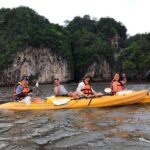
This is guided snorkeling with a friendly, professional approach. The tour includes a professional friendly guide and offers English and Thai. The guide’s job is more than just pointing at fish. They manage where you enter the water, how long you stay, and how you move between spots.
Safety is part of the structure. Life vests are included, and the general approach is to keep it relaxed and controlled. That’s especially helpful for people who are comfortable snorkeling but not used to dealing with currents, reef entry, or group pacing.
One recurring theme from strong feedback: guides work hard to avoid the worst crowds and pick spots where you can actually snorkel. That’s the hidden value of choosing a small-group day. It’s not just fewer people on the boat; it’s often a better rhythm on the water.
Also, if you’re into seeing more than “the basics,” you may get hands-on help picking good snorkel positions. That kind of guidance turns your time into something you can control.


Gear checklist for comfort: water shoes matter
The tour provides snorkeling gear, but you still need to show up ready for salt water and beach transfers. Here’s what you should bring:
- Swimwear and a towel
- Sunglasses and a hat for the boat ride and surface time
- Sunscreen (and apply before you’re out there)
- Water and a waterproof bag for your phone/camera
- Flip-flops plus water shoes if you have them (coral and rocky entries happen)
- Camera, if you want photos, and a way to keep it dry
If you’re the type who hates sand in everything, bring a waterproof bag even if the boat area seems tidy. You’ll still want a dry pocket for your essentials.
One more practical tip from personal snorkel reality: jellyfish can be an issue. One person reported getting stung badly and advised bringing vinegar. I can’t promise you’ll need it, but I like this kind of “plan for the annoying” mindset—especially when your hands are full.
Price and value: $62 plus park fees
At $62 per person, this tour can feel like a good deal because several costs are included upfront: hotel pickup/drop-off, snorkeling gear, guide service, beach lunch with fruit, and even accident insurance. You’re not paying extra for basic logistics, which is where a lot of day trips start to quietly inflate.
The one cost to plan for: national park fees are not included—THB 200 for adults and THB 100 for children. That’s a direct addition at the end (or before entry, depending on how it’s handled). If you budget the tour as $62 plus the park fee, the math starts looking clean.
Does it beat pricier tours? Usually, yes—mainly because the focus stays on snorkeling time instead of paid extras. You’re paying for a guided small-group water day, not a long list of stop-and-stare attractions.
If you’re comparing options, I’d look for three things: group size, whether lunch is included, and whether snorkel gear is provided. This one ticks those boxes.
Weather and tide: why your cave moment isn’t guaranteed
The itinerary is subject to change due to weather conditions, and that’s not a warning you should ignore. In open-water snorkeling, wind and swell can change visibility and safety margins quickly. That can affect which locations you snorkel, how you move between stops, and whether certain water routes are comfortable.
For the cave experience, tide is the bigger factor. The cave-and-lagoon swim is described as something you can do at low tide. If your day’s tide window doesn’t align with what the crew sees on site, the plan can shift.
So how should you handle this as a buyer?
- Go in expecting a great snorkeling day even if the cave moment changes.
- When you arrive, listen to the guide’s call on what’s possible that day.
- If Talu Cave is your top reason for booking, ask early if low tide conditions look favorable.
This keeps you from feeling surprised, and it also helps you get the best snorkeling plan available for that weather window.
Who should book this (and who should skip it)
This isn’t for everyone. The tour states it’s not suitable for:
- Pregnant women
- People with heart problems
- Non-swimmers
- People over 70 years
That’s a pretty clear list, and I agree with it. Snorkeling tours aren’t just about floating on your back. You’ll likely deal with entry steps, short swims between spots, and group movement that assumes basic comfort in open water.
If you can snorkel comfortably (or at least swim confidently and follow instructions), this is a great fit. The small group and guide attention also make it easier for you to learn good positioning quickly.
Should you book the Krabi Yawasam and Talu Islands snorkeling tour?
Book it if you want:
- A small group day focused on snorkeling, not a checklist of photo stops
- The chance to snorkel Yawasam reef and attempt Talu Cave (time it with low tide when possible)
- Beach lunch with halal and vegetarian options
- A straightforward, organized day with pickup and gear included
Consider skipping or choosing a different format if:
- Cave timing is non-negotiable for you, and you’d be upset if weather or tide changes it
- Food preferences are strict and you can’t risk miscommunication—double-check with the provider before the day
- You’re in any of the listed “not suitable” categories
For most people looking for a Krabi day that feels authentic and water-focused, this tour delivers. The combination of off-route snorkeling, thoughtful pacing, and that cave-to-lagoon storyline makes it a strong option for a one-day visit—especially if you’d rather be in the water than watching crowds from the shore.
FAQ
How big is the group for this snorkeling tour?
The tour runs as a small group with a maximum of 15 people.
What snorkeling gear is included?
The tour includes snorkeling gear: a snorkel, mask, and fins.
Are national park fees included in the price?
No. National park fees are THB 200 per adult and THB 100 per child.
Where does hotel pickup happen?
Pickup is included from hotels in Ao Nang, Krabi Town, Klong Mueang, or Tub Kaek.
Can I cancel and get a full refund?
Yes. You can cancel up to 24 hours in advance for a full refund.
Is the tour suitable for non-swimmers?
No. It is not suitable for non-swimmers.