REVIEW · KRABI
From Krabi: Hong Island Sunset Tour+Bioluminescent Plankton
Book on GetYourGuide →Operated by Guide Kratae Pateaw Tours · Bookable on GetYourGuide
Hong Island sunsets and glowing plankton at night. I love the Hong Lagoon cruise with emerald water and the climb to a 360° viewpoint, and you also get a Thai buffet dinner on the beach before the night plankton swim. The trade-off: the bioluminescence isn’t always guaranteed to be easy to see, since it depends on the night and conditions.
One thing I appreciate is how the day is handled by the guide team at Kratae Pateaw Tours—and on my reading of real-world experiences, the guide’s flexibility matters. If you’re the type who hates waiting around, plan for a full schedule and the fact that this can run with a larger group (around 30 on some days), especially around pickup and boat transfers.
In This Review
- Key things I’d plan around
- Why this Hong Island + plankton day tour feels worth it
- Hong Island: beaches, snorkeling, and that 360° viewpoint
- Cruising Hong Lagoon through the limestone “window”
- Pakbia Island sunset dinner: the romantic part of the day
- Koh Raeng at night: bioluminescent plankton expectations (and reality)
- Timing and the longtail-boat rhythm
- What’s included—and how the price makes sense
- How to pack so the day feels easy
- Who should book this tour—and who should skip it
- Should you book the Hong Island Sunset + Plankton tour?
- FAQ
- How long is the tour?
- Where do pickups happen, and where do you drop off?
- What time does the tour start?
- What boat and pier areas are used?
- Is hotel pickup included in the price?
- What snorkeling gear is included?
- Is the Thai buffet dinner included, and is it halal?
- Do I need to pay a National Park fee?
- What should I bring for the day and the night swim?
- Who is the tour not suitable for?
Key things I’d plan around
- Hong Island has limited time for both swimming and the viewpoint hike, so be ready to move.
- Hong Lagoon is the photo stop most people remember, with that narrow “window” feel into the lagoon.
- Dinner is part of the sunset moment, not just an add-on—Thai buffet on Pakbia beach.
- Night swim for plankton is the big draw, but visibility can vary night to night.
- Snorkeling gear is basic: you get a mask, but not fins.
- Park fees are separate (paid in cash on the day), so budget for that.
Why this Hong Island + plankton day tour feels worth it
This tour is built for people who want the best-known Krabi island highlights without doing the whole thing as a multi-day trip. You’re not just “at an island”—you’re hopping across three beach settings in a single day: Hong Island, Koh Pakbia, and Koh Raeng for the night swim.
The value isn’t only the itinerary. It’s the way the day staggers the experiences. You get daylight hours for swimming, snorkeling, and sightseeing, then you transition into a beach sunset dinner, and only after dark do you chase the bioluminescent plankton. That timing matters, because the night event is the opposite of what you’ve already done earlier in the day.
The biggest reason I like this format is that you can enjoy it even if you’re not an expert snorkeler. You’re still around water for enough time to swim, rest, and take photos, and the schedule includes a clear activity rhythm so you’re not stuck for hours doing nothing.
You can also read our reviews of more evening experiences in Krabi
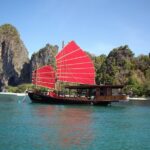
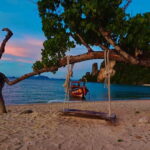
Hong Island: beaches, snorkeling, and that 360° viewpoint
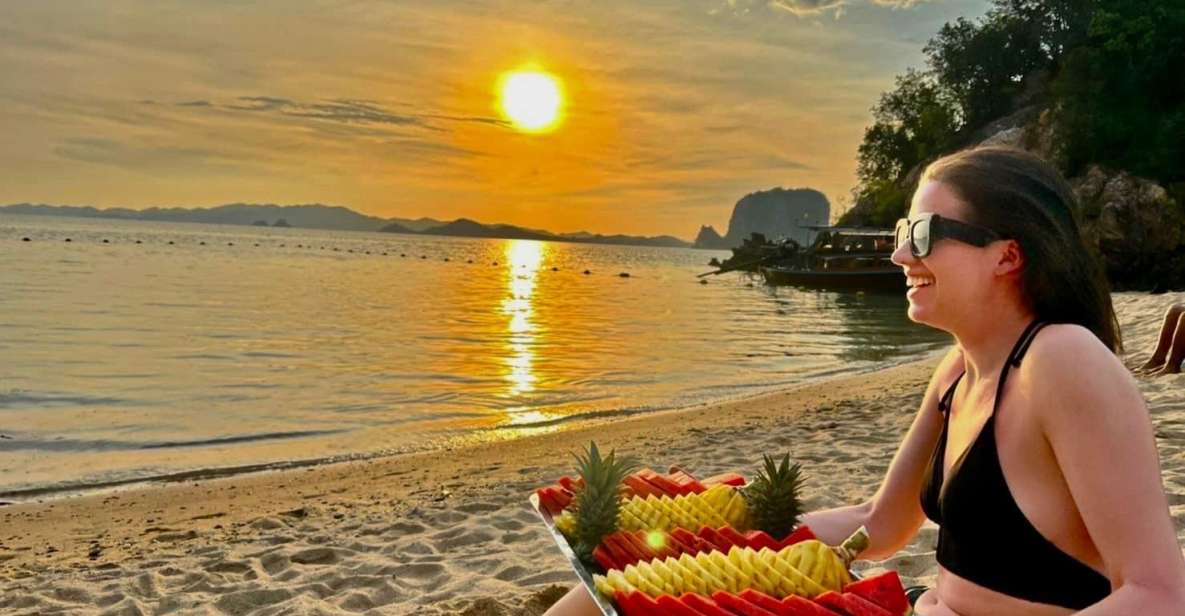
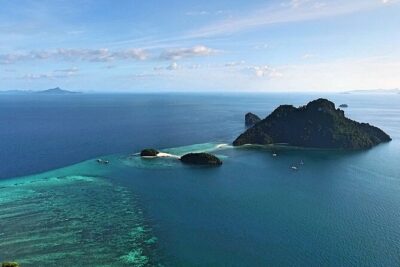
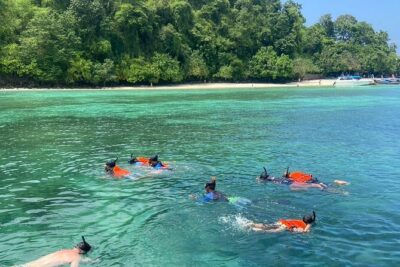
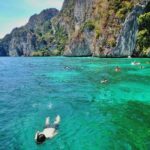
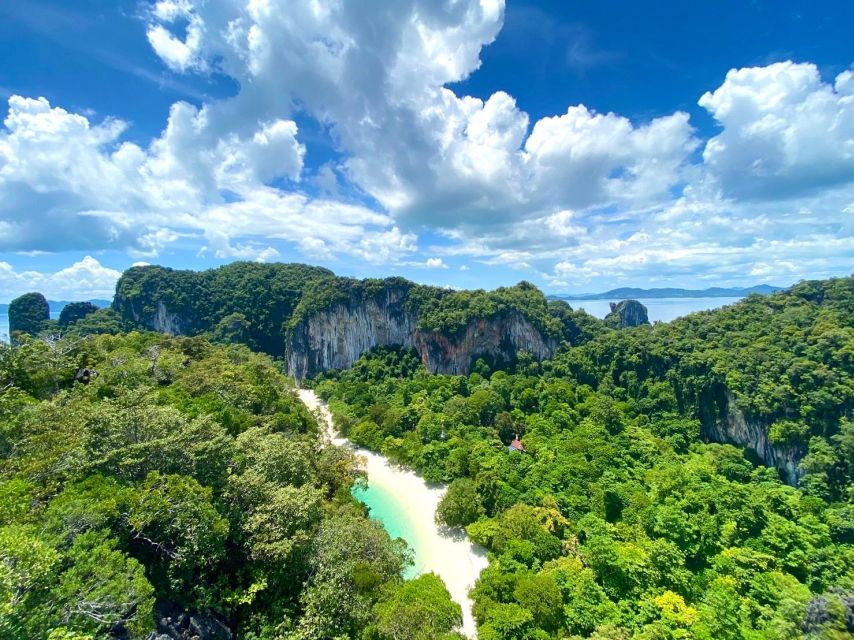
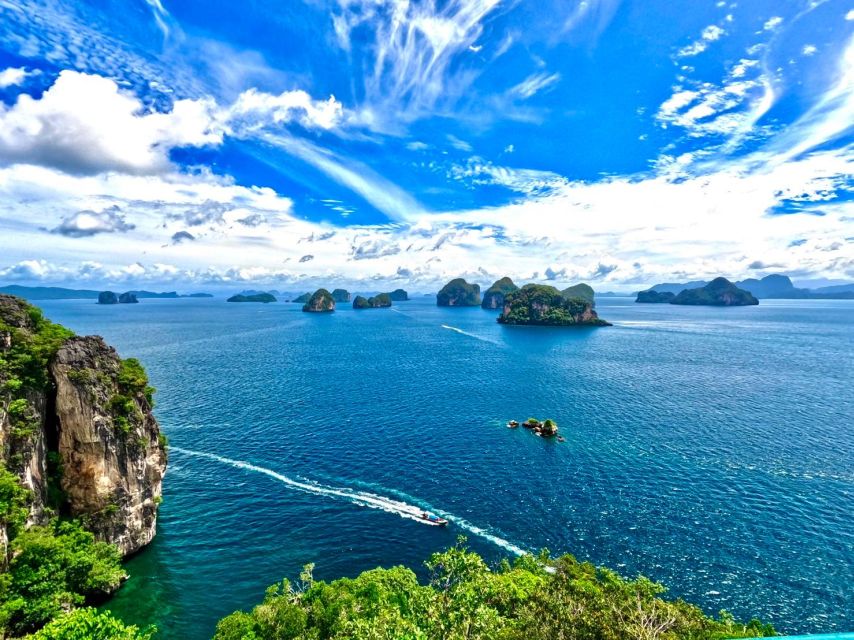
Hong Island is the star for a reason. You’ll have about 1.5 hours here to relax, swim, snorkel, and soak up the beach mood. The beach setting is exactly what you picture when you think of “tropical postcard,” and it’s the kind of stop where you can choose your own pace: long lazy swim, quick snorkel, or just sunbathing with enough time to cool off.
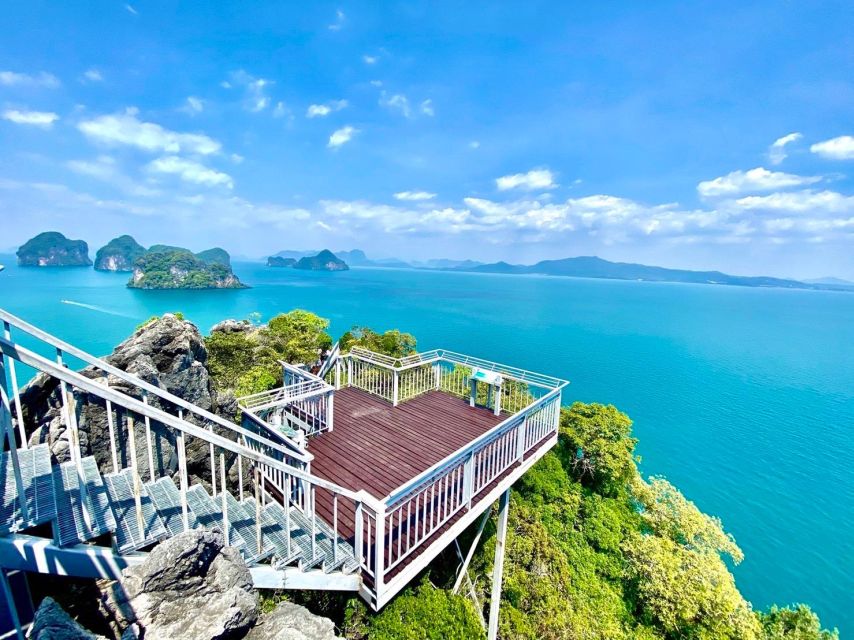
Then comes the viewpoint. You’ll get a 40-minute photo stop/walk/hike for the 360° panorama. This is one of the best parts of the day because it turns a pretty beach into a real “look how far the islands stretch” moment. If you climb early in your visit, you’ll often get better photo angles before the area gets busier.
My practical advice: treat Hong Island like two separate mini-missions—beach time first, viewpoint second. Wear shoes or sandals you’re comfortable walking in, since you’ll be moving on land in between water time. Bring a towel and plan a quick change of clothes after snorkeling; you’ll feel more human for dinner later.
One reality check: time is tight. If you try to do everything perfectly—full snorkel session, long beach swim, plus a leisurely climb—Hong Island can start to feel rushed. If that sounds like you, pick what matters most to your style and let the rest be “good enough.”
Cruising Hong Lagoon through the limestone “window”
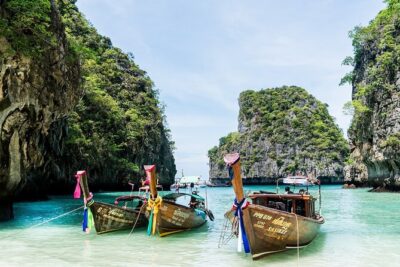
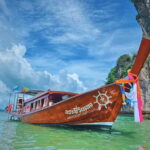
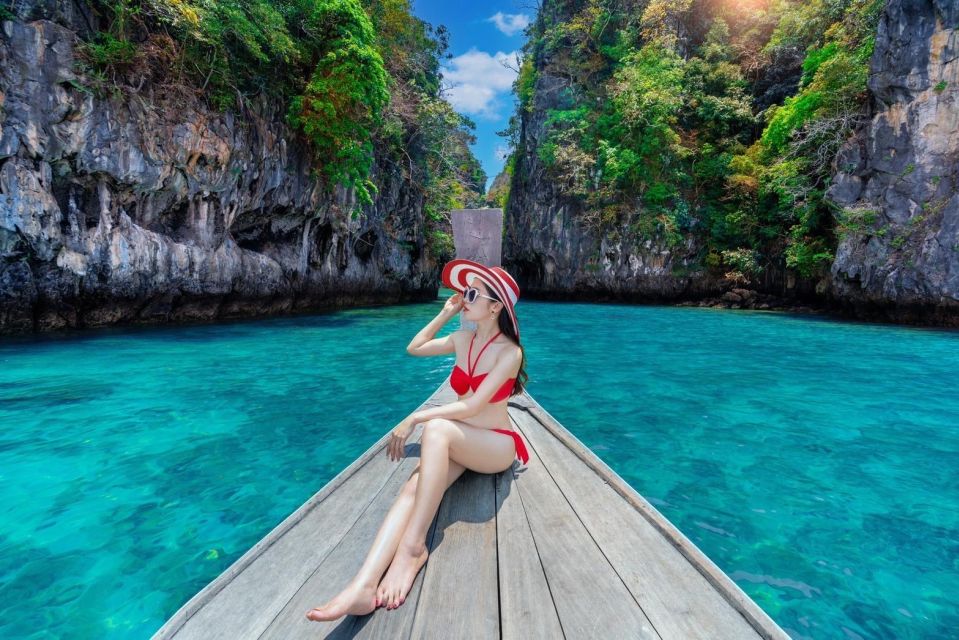
After Hong Island, you cruise into Hong Lagoon by longtail boat. The schedule gives you about 20 minutes of lagoon time, including a photo stop and the boat ride through a narrow opening.
This is a short stop, but it’s powerful. The lagoon experience is all about atmosphere: emerald-green water, limestone cliffs surrounding you, and that “we’re entering a hidden space” feeling that makes even a quick boat pass worth it. And yes, it’s photo-friendly—you’ll have the kind of vantage points where a simple phone camera can actually look good.
If you’re the type who hates feeling like you blink and miss it, focus on one thing here: take your photos, then just watch the scenery roll past. The boat ride is the main event. Save your deep conversations and big plans for the beach later, where you have longer stillness.
Pakbia Island sunset dinner: the romantic part of the day
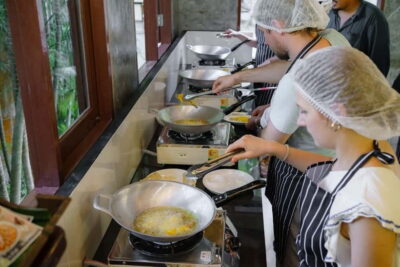
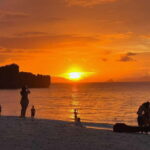
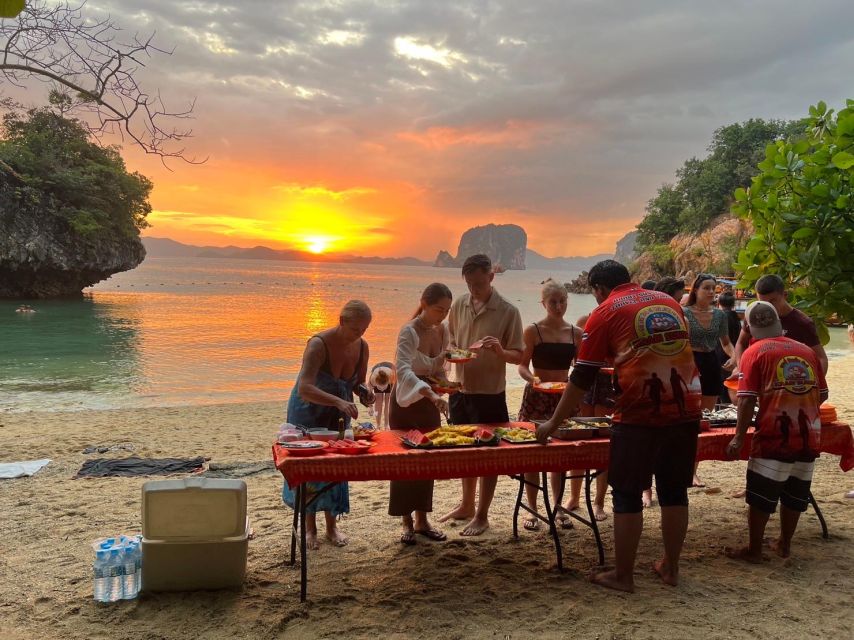
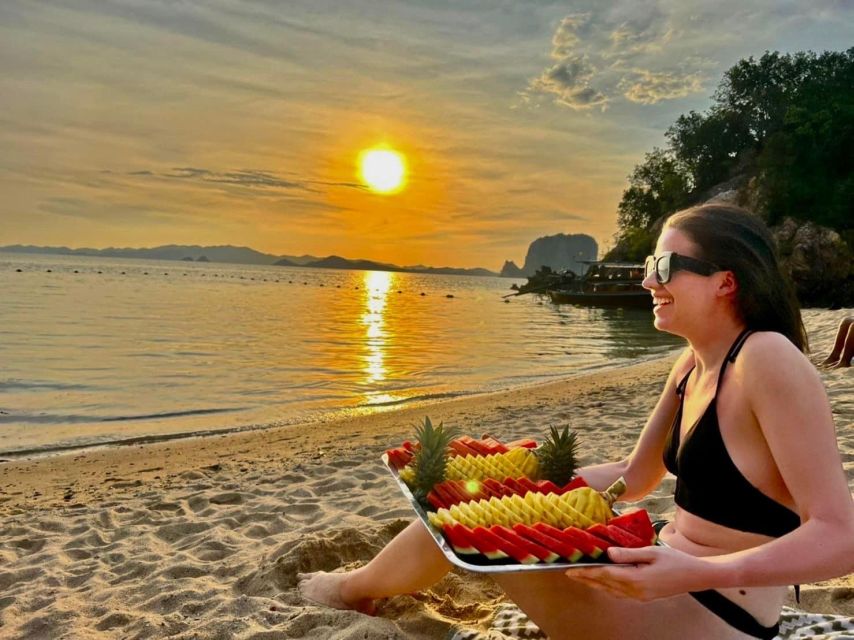
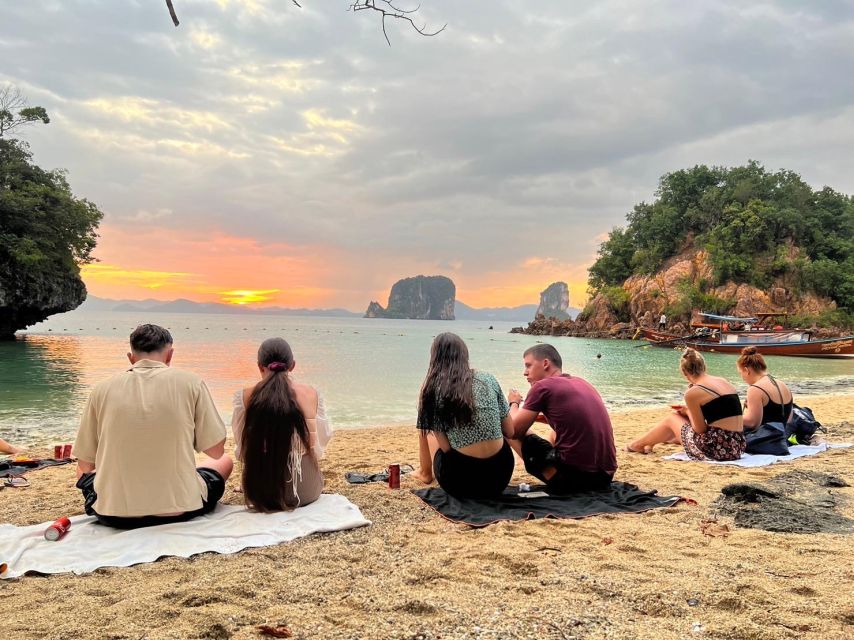
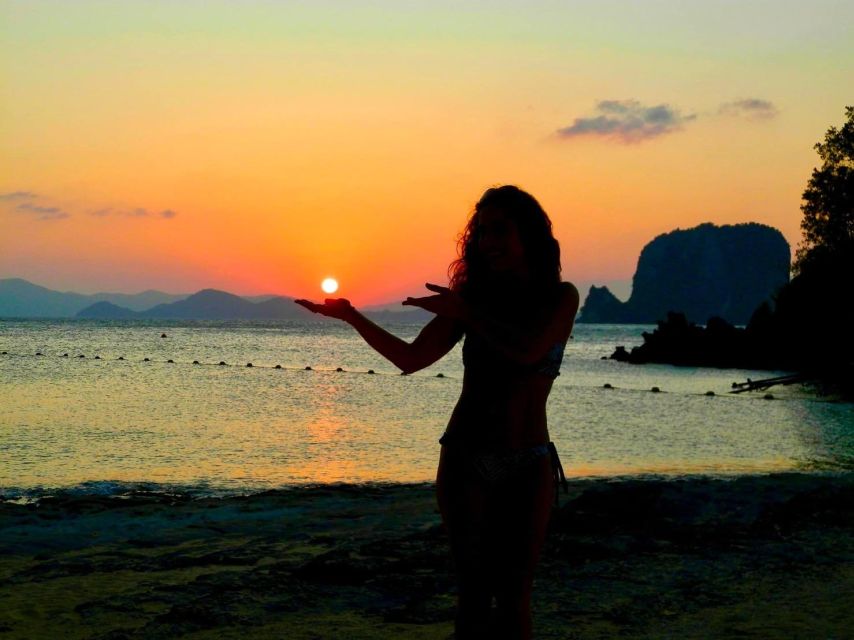
Next up is Koh Pakbia for a Thai-style buffet dinner and sunset. You get around 1.5 hours, which is enough time to eat, relax, and actually watch the sky change color without feeling like dinner is an afterthought.
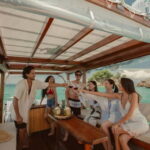
A couple details make this stop work. First, you’re not just eating indoors or on a set schedule—you’re on the beach, and the dinner is timed so you can stay for the sunset. Second, the food is set up as a Thai style buffet, and it’s designed to handle diet needs if you request them in advance. The operator lists halal options and says vegetarian and other dietary options are available on request.
What I’d do if you book: arrive hungry, eat before you feel too sleepy, then keep your snacks-free attention for the sunset. If you wait to eat until the sun is already dropping, you might end up with a lukewarm dinner and a rushed mood.
There’s also a real-world comfort factor. Some experiences describe the dinner as a highlight and others mention it being cold, so don’t assume temperature perfection. A smart move is to keep your expectations flexible and prioritize the sunset atmosphere as the main reason you’re there.
Koh Raeng at night: bioluminescent plankton expectations (and reality)
After dark, you go to Koh Raeng for night swimming and snorkeling with bioluminescent plankton. The snorkeling/swimming window listed here is about 20 minutes.
This is the part most people book for, and it’s also the part you should approach with the most realistic mindset. The core idea is simple: the plankton can glow in the water at night, creating those famous light-on-water effects. But actual visibility can change based on conditions. Some people describe it as amazing, while others say they couldn’t see it as well as they hoped.
So how do you make the most of it?
- Do what your guide tells you during the swim.
- Stay in the water and avoid rushing—there’s a short time window.
- Keep your focus on the water surface and movement, not on trying to “capture” everything on camera.
Also, remember this is a night swim. You’ll want to feel comfortable in the water without rushing. Bring your change of clothes, and use a waterproof bag for your phone and camera if you’re carrying them.
If you’re someone who needs a guaranteed “big glow show,” this tour may feel like a gamble. If you’re happy with the chance to experience a unique natural moment and you’ll still enjoy the novelty even if it’s subtle, you’ll likely feel more satisfied.



Timing and the longtail-boat rhythm
The day runs about 7 hours, with a pickup window around 12:00–12:45 (depending on where you start). Then it’s longtail boat transfers from Nopparat Thara Pier in Ao Nang.
This kind of island day has a specific rhythm:
- you move by boat,
- you get short island blocks,
- you return to the boat,
- you repeat.
That’s why your comfort choices matter. Wear something you can get wet in, and bring what you need for quick drying and sun protection.
Also, plan your energy like this:
- Use the Hong Island hours for swimming and choosing your viewpoint timing.
- Treat the lagoon cruise as “photos + scenery.”
- Use Pakbia for eating and sunset settling time.
- Save extra patience for the night swim portion, since you’ll be tired and a bit sleep-deprived by then.
Group size can be a factor. One real-world note described a group around 30 people, and bigger groups mean you might wait longer at boarding points and during transfers. Nothing here is unusual for Krabi, but it’s good to know what kind of “busy day” you’re signing up for.
What’s included—and how the price makes sense
The listed price is $63 per person for a full-day circuit that includes:
- round-trip hotel transfers
- an English-speaking guide
- basic accident insurance
- a snorkeling mask and life jacket
- drinking water and soft drinks
- seasonal fruit
- Thai buffet dinner (halal options and vegetarian/other diets available on request)
Not included:
- fins
- National Park entrance fee: 300 THB per adult and 150 THB per child, paid in cash on the day
Here’s the value logic from a traveler’s view: you’re paying for three island experiences, a guide, the boat movement, and the meal. If you were to arrange a similar day on your own, you’d usually spend a lot of time coordinating boats and you’d still end up paying for a guide’s local knowledge. The park fee is the main add-on you should budget for, since it’s not included in the base price.
If you already own snorkeling fins, you’ll love that this tour at least supplies the mask. If you don’t, the simplest fix is to rent or bring them if you want a more comfortable snorkel experience—but it’s not required to join.
How to pack so the day feels easy
You’ll be in and out of the water, in sun, then at night. Pack to match that reality.
Bring:
- sunglasses and a sun hat
- swimwear
- change of clothes and towel
- sunscreen
- comfortable clothes plus flip-flops
- camera, and a waterproof bag
- cash for the National Park entrance fee
Don’t bring:
- pets
- luggage or large bags
- drones
One practical move: keep your “use again later” items (like dry clothes and sunscreen) at the top of your bag so you can grab them without delaying everyone at a transfer point.
Who should book this tour—and who should skip it
This tour is a great fit if you want a one-day island sampler with a romantic sunset dinner and a shot at a night plankton glow. I’d also recommend it to couples and groups of friends who like the flow of guided island hopping and don’t want to micromanage boats.
It’s less ideal if you:
- get disappointed when a natural experience depends on conditions (bioluminescence visibility can vary),
- have mobility limits that make boat transfers and a short hike uncomfortable,
- are pregnant or have medical conditions listed as not suitable (including heart problems, high blood pressure, pre-existing medical conditions).
The operator lists it as not suitable for children under 2, pregnant women, people with back problems, people with mobility impairments, wheelchair users, people with heart problems, and people with pre-existing medical conditions.
If you’re in a sensitive category, don’t “hope it’ll be fine.” This is a long day with water elements, and it’s better to choose an option that matches your body and comfort.
Should you book the Hong Island Sunset + Plankton tour?
Book it if you want Hong Island’s iconic scenery, the Hong Lagoon boat photo moment, a beachfront Thai dinner timed for sunset, and you’re excited by the idea of a night swim with bioluminescent plankton. The mix of day beauty plus night magic is why this tour earns its popularity, and the guide support is a big part of that.
Skip or rethink it if you need the plankton glow to be obvious and dramatic every time, or if you’re sensitive to full schedules and potentially larger groups. Also, if you don’t want to deal with an extra cash expense, remember the National Park fee is paid in cash on the day.
If you do book, go in with flexible expectations for the night swim, prioritize the viewpoint hike on Hong Island, and treat the dinner as the sunset stage—not just a meal.
FAQ
How long is the tour?
The tour duration is listed as 7 hours.
Where do pickups happen, and where do you drop off?
Hotel pickup is available from four options, and drop-off is also at four locations. Pickup options listed are Nong Thale, Pak Nam, Sai Thai, and Ao Nang. Drop-off options listed are Pak Nam, Nong Thale, Ao Nang, and Sai Thai.
What time does the tour start?
The pickup window is described as 12:00 to 12:45, and the tour runs for about 7 hours total. Exact pickup time is shared by email after confirmation.
What boat and pier areas are used?
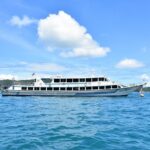
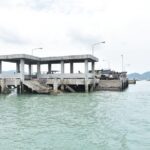
The tour departs by longtail boat from Nopparat Thara Pier in Ao Nang.
Is hotel pickup included in the price?
Yes. Round-trip transfers to and from your hotel are included.
What snorkeling gear is included?
A snorkeling mask and a life jacket are included. Fins are not included.
Is the Thai buffet dinner included, and is it halal?
Yes. A Thai style buffet dinner is included, and halal and other dietary options (including vegetarian) are available on request.
Do I need to pay a National Park fee?
Yes. The National Park entrance fee is mandatory and paid in cash on the day of the trip: 300 THB per adult and 150 THB per child.
What should I bring for the day and the night swim?
Bring sunglasses, sun hat, swimwear, change of clothes, towel, camera, sunscreen, comfortable clothes, flip-flops, and a waterproof bag. Cash is also recommended for the park fee.
Who is the tour not suitable for?
It is not suitable for children under 2, pregnant women, people with back problems, people with mobility impairments, wheelchair users, people with heart problems, and people with pre-existing medical conditions.