REVIEW · AO NANG
Krabi: Highlights Tour with Krabi Elephant Shelter
Book on GetYourGuide →Operated by Krabi Elephant Shelter · Bookable on GetYourGuide
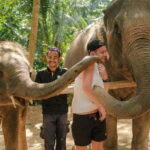
Elephants beat any beach day in Krabi. This Krabi Elephant Shelter highlights tour is interesting because it swaps rides for real contact: you’ll play an elephant chef with feeding, then get ready for mud and bath time. I love that it’s no-riding, and I love the hands-on way you learn who the elephants are.
The guide can make a big difference, and Nui is one name that comes up for being warm, focused, and clear about how the shelter works. One drawback to consider: this is a muddy, wet activity, so you’ll need to plan your outfit and footwear carefully, especially because water shoes are part of staying comfortable.
In This Review
- Key highlights worth your attention
- Krabi Elephant Shelter: An Ethical Choice That Still Feels Fun
- The real start: pickup, timing, and the before-you-get-wet briefing
- Elephant chef: feeding the elephants without turning it into a stunt
- Mud bath time: the splashes, the rolling, and the real Thailand heat
- Elephant bathing: river soak and shower time that actually makes sense
- Snacks, coffee, fruit, and the included photo package
- What to bring (and what not to do) for a smooth wet day
- Who this tour fits best in Krabi (and who should skip it)
- Price and logistics: is $54 worth it for an elephant bath highlight?
- Should you book the Krabi Elephant Shelter Highlights Tour?
- FAQ
- Is there elephant riding on this tour?
- How long is the Krabi Elephant Shelter Highlights Tour?
- What’s included in the price?
- What should I bring for the mud bath and elephant bathing?
- Where do they pick you up in Krabi?
- Does this tour work for everyone?
Key highlights worth your attention
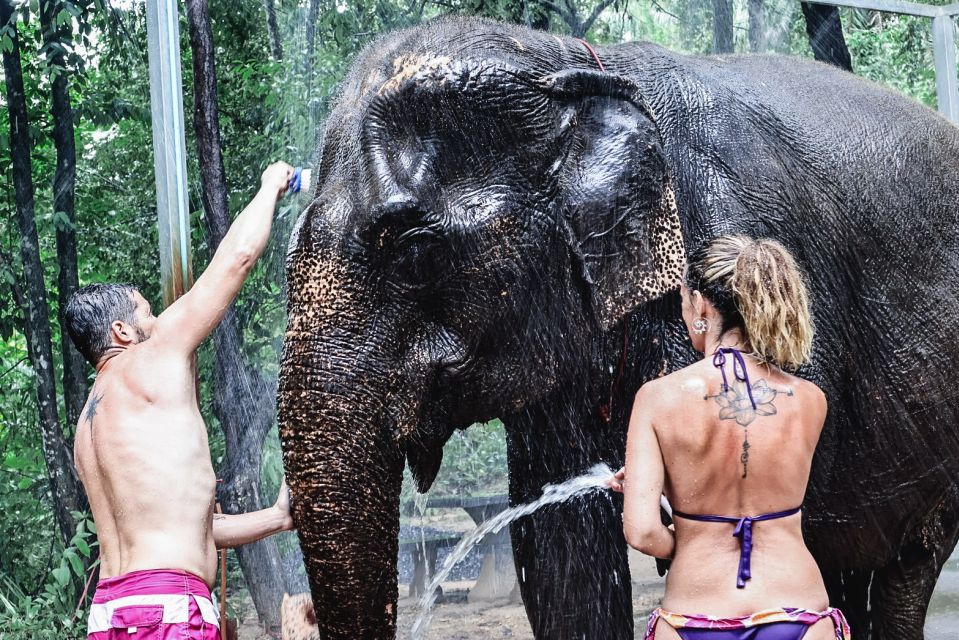
- Feeding that feels personal: you interact with the elephants through treats and daily-life routines, not tricks or rides
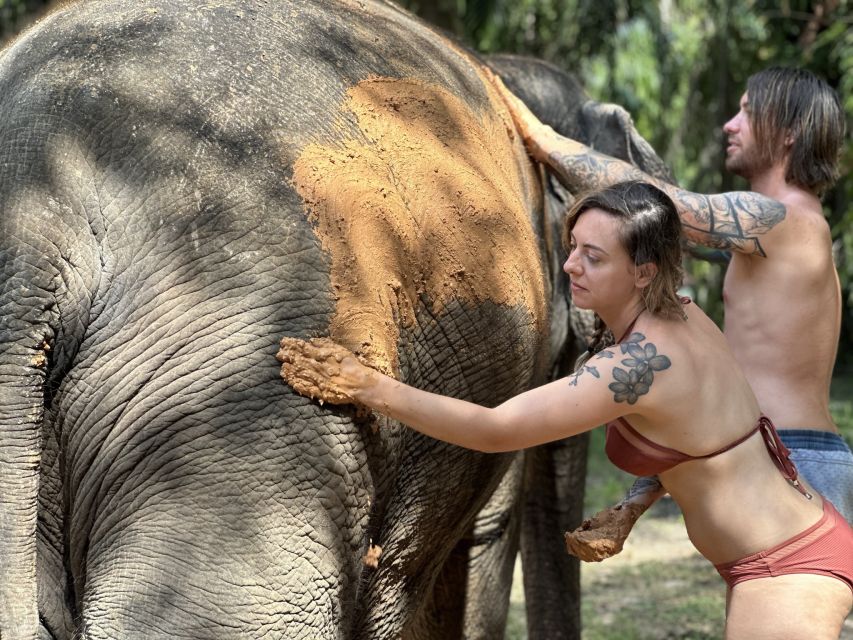
- Mud bath and bath time are the main event: you’re splashing, rolling, and soaking in a natural routine
- Pro photos are included: they take pictures throughout, and you can access them after the tour
- A shelter-first approach: the elephants are treated as animals, not attractions
- Short and concentrated (about 2 hours): enough time to connect without turning it into an all-day commitment
Krabi Elephant Shelter: An Ethical Choice That Still Feels Fun
Krabi’s best elephant encounters are the ones that don’t require you to put an elephant “to work” in the tourism sense. This tour is built around a simple idea: the shelter created a second home for elephants who had a hard history in forestry operations and riding camps. Instead of riding or forcing performances, the program uses the elephants in their everyday lives—and you join in around their routines.
What I like about this setup is that it gives you real elephant time while keeping expectations grounded. You’re not paying for a ride; you’re paying for a chance to feed, bathe, and learn from the staff as the elephants move through their normal day.
And yes, it’s also built to be enjoyable. You’ll get that playful, down-to-earth moment when mud becomes part of the schedule. Several guides and staff members are involved during the visit, and the tone tends to be upbeat and practical rather than overly serious or scripted. That balance is exactly what makes it work for families, couples, and first-timers.
You can also read our reviews of more tours and experiences in Ao Nang.



The real start: pickup, timing, and the before-you-get-wet briefing
The tour is about 2 hours, and it’s scheduled with a morning pickup and an afternoon pickup. The times are set for the hotels in the Ao Nang and Klong Muang Beach areas, with pickup at 09:20 for the morning session and 13:20 for the afternoon session.
A few logistics details matter, because they affect how stress-free your morning or afternoon feels:
- The driver shows up holding a sign for the shelter.
- Drivers wait no longer than 5 minutes after the scheduled time.
- Pickup covers Ao Nang and Klong Muang Beach. If you’re in Krabi Town, there’s an extra fee (you’ll need to arrange that with the local partner).
- If you’re coming from islands or from Railay, you’ll meet at a pier location such as Nopparat Thara Pier, Nong Nuch Pier, Ao Nam Mao Pier, or Ao Nang Pier.
Before you head in, you’ll also get the standard “how this works” guidance: what’s allowed, what to bring, and how to stay comfortable while the elephants do what elephants do—walk, splash, and occasionally get everyone involved in the mud.
Also note: you’ll need your passport number to fill out an accident insurance form at the shelter. A passport copy is accepted, but the passport number is still part of the process.
Elephant chef: feeding the elephants without turning it into a stunt
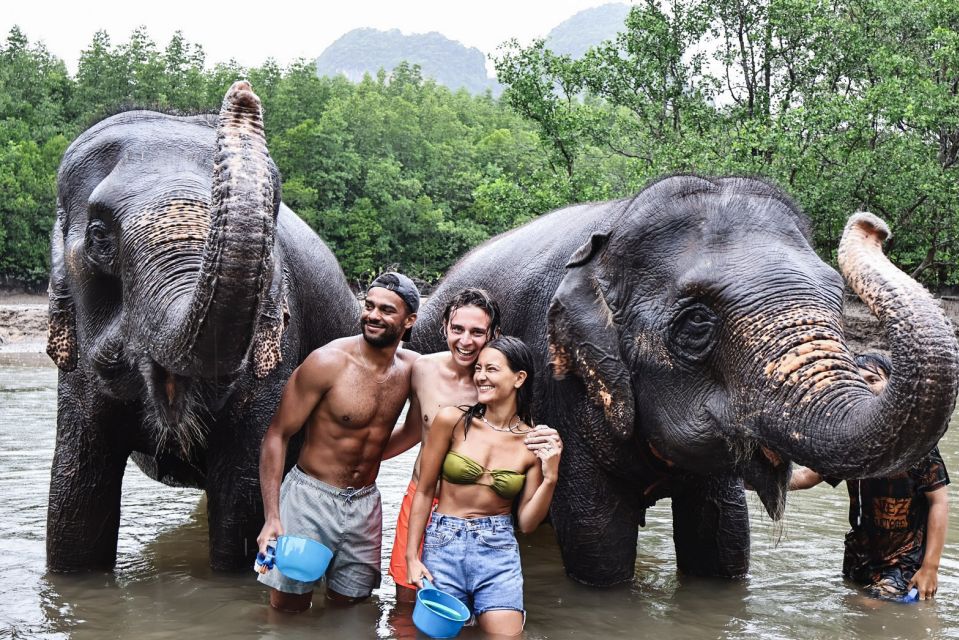
The highlights tour centers on hands-on feeding. This is where the elephant-chef angle matters: you’re participating in feeding rather than standing at a distance for a quick photo and moving on.
In practice, expect staff to show you how to interact and where to stand. The elephants that are currently living at the shelter are described as being accustomed to human behavior—many have cohabited with humans before—so you’re not dealing with random, unpredictable behavior like you might fear at a sketchier site. That doesn’t mean it becomes casual and careless; it still follows shelter rules and the elephants’ own pace.
Why this matters for you: the “chef” theme helps shift your role from consumer to participant. Instead of rushing for shots, you’ll learn what’s going on and why the routine is done the way it is. And because the shelter staff are focused on safe daily life rather than staged performances, the feeding time feels more natural than a tourist act.
One more plus: the interaction tends to be engaging without running long. Some people specifically say it doesn’t feel overwhelming, which is a good sign if you’re bringing kids—or if you want a meaningful experience without a giant time commitment.
Mud bath time: the splashes, the rolling, and the real Thailand heat
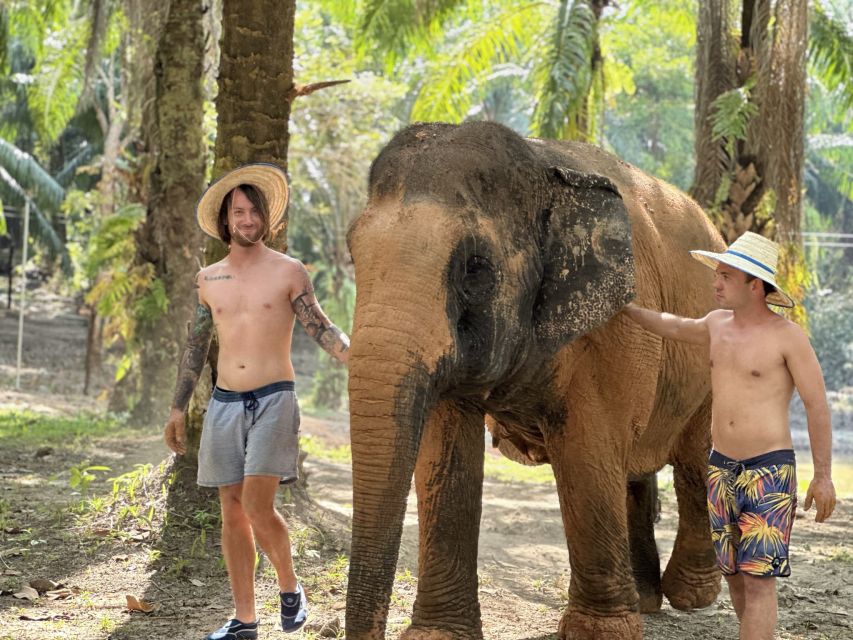
Here’s the part that turns the tour from educational to unforgettable: the mud bath. The experience is built around you getting down and dirty with the elephants—splashing, rolling, and soaking in the mud as the elephants enjoy their play and routine.
This is the moment where you’ll learn two things fast:
1) you’ll want the right clothing plan, and
2) you should expect to get messy.
You can’t treat this like a “keep your nice outfit clean” excursion. The tour description and what people mention afterward are consistent: bring swimwear, bring something you don’t mind ruining, and keep an eye on sunscreen and insect repellent. If you’re deciding between a quick-dry rash guard or a standard swimsuit, the quick-dry option usually wins for comfort during the mud-to-water transition.
Also: the ground can be uneven and wet. You’re asked to bring water shoes for walking on the ground during the activity, and there’s also an option to purchase them at the location. I strongly recommend bringing your own if you can—it’s one less decision after you’re already dealing with heat and splashing.
Practical note: if you’re prone to slipping in wet conditions, take your time during the mud phase. This is “fun chaos,” but your safety still matters.
Elephant bathing: river soak and shower time that actually makes sense
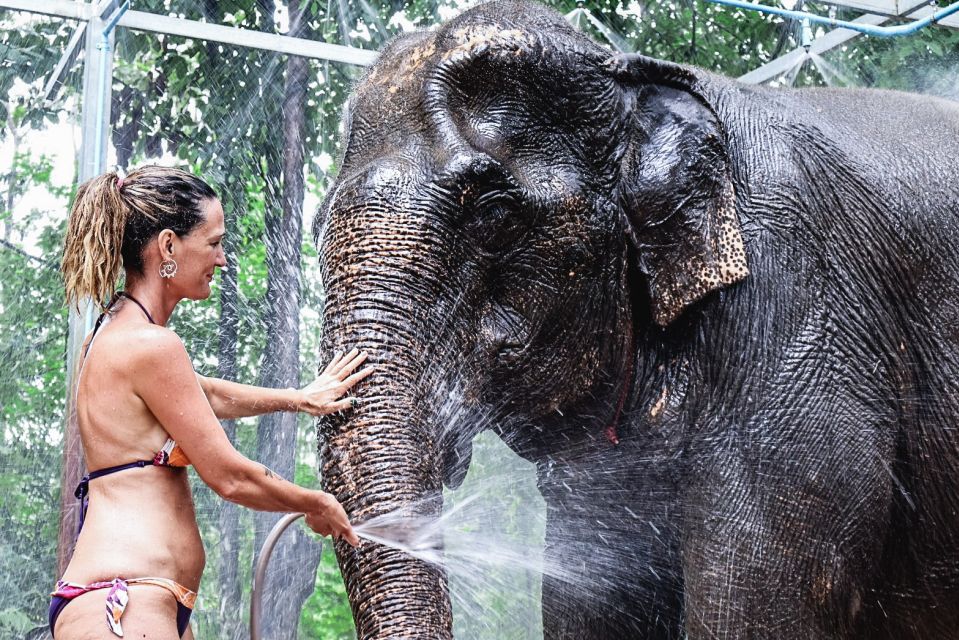
After mud, the tour continues into the bathing portion. The tour’s highlights call it the ultimate bath like never before, and the structure is pretty straightforward: you’ll move from mud to water. Expect both a natural jungle river bathing component and a shower/bathing finale.
Why the bathing format is valuable: elephants cool off and groom in water, and the routine here is framed as daily life. You’re not just watching from the sidelines; you’re joining in while staff keep the interaction respectful and grounded.
People often mention the natural jungle river as a standout. That helps the experience feel connected to the environment rather than a plastic tub or tiny pool. And the water portion becomes the main “wow” for many first-timers—especially kids, who tend to love the splashes and the sense of being close to big animals moving at their own rhythm.
You’ll also be provided with the bathing and feeding equipment, and there are references in the experience details to shower facilities. That means you should be able to freshen up before you head back—still wet, but not stuck in mud all day.


Snacks, coffee, fruit, and the included photo package
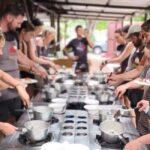
This tour isn’t just elephant time with nothing else. You get coffee, tea, drinking water, and seasonal fruit during the experience. That’s a smart inclusion for a hot, physical session.
And then there’s the photo part. Photos are included, and you can access them via a link after the tour. Many people also talk about professional cameras and free photography throughout the visit, plus quick photo delivery in at least some cases.
Here’s why I think that matters: if you’ve ever tried to photograph elephants in motion, you know it’s hard. Staff and photographers can get the right angles while you focus on being present. You get more of the moment, not just the blurry souvenirs.
You should still plan to take some photos on your phone if you want, but treat the pro images as your main memory. It’s one of the easiest ways to keep the day from becoming “watch through the screen.”
You’ll also want to think about organization. Some people mention lockers for keeping belongings secure, which is exactly what you want on a wet tour. Use it, even if you think you’ll keep your valuables dry—mud has a talent for finding pockets.
What to bring (and what not to do) for a smooth wet day
This is the part people sometimes underestimate, and then they end up uncomfortable. If you want the tour to feel easy, pack for the mud and water, not for the city.
Bring:
- Swimwear
- A change of clothes (and something you don’t mind getting muddy)
- Towel
- Sunscreen
- Insect repellent
- Water shoes (or purchase at the shelter)
- Cash (recommended by the activity info)
- Passport (a copy is accepted)
Don’t bring:
- Alcohol and drugs
Also consider:
- You’ll likely fill out an accident insurance form at the shelter, and it requires your passport number.
- If you’re pregnant or have health conditions, you should let the team know ahead of time.
That health note isn’t just a checkbox. A wet, active 2-hour tour involves standing, walking on uneven ground, and moving through water and mud zones. If you’re managing anything that affects balance or heat tolerance, you’ll want to be honest in advance.
Who this tour fits best in Krabi (and who should skip it)
This is one of those experiences that can be perfect for the right person.
Best fit:
- Families who want a meaningful, shelter-focused activity without elephant riding
- Couples who want a hands-on highlight rather than a long, bus-heavy day
- People who want to learn how elephants are cared for through daily routines—feeding, mud, and bathing
Not suitable:
- Wheelchair users (the activity info says it isn’t suitable)
- People with animal allergies (also explicitly not suitable)
A comfort note for many people: the interaction is described as close, but some say it’s not overwhelming because the time with elephants is focused and brief. If you’re worried about being stuck with elephants for hours, the 2-hour structure helps.
And if you care about ethical contact: the whole program is framed as a second home approach, with elephants not used for riding or forestry work. That’s the big line in the sand here.
Price and logistics: is $54 worth it for an elephant bath highlight?
At $54 per person for a 2-hour tour, you’re paying for several things at once: transfer service (within the Ao Nang and Klong Muang Beach areas), a live guide, feeding and bathing activities plus equipment, and refreshments (coffee/tea/water/seasonal fruit). You’re also getting included photos through a link afterward.
The value equation is simple: this isn’t just a ticket to watch. You’re actively participating in feeding and bathing, you get guided time, and you get pro photo support—plus hotel pickup in a defined zone.
What’s not included:
- Meal
- Towels and water shoes (you bring them or purchase water shoes on-site)
- A change of clothes
So here’s the practical way to judge the cost: if you would otherwise pay separately for a half-day guided animal experience plus a ride-focused attraction, this is a more satisfying option. It’s also shorter, which matters in Krabi when you’re balancing beach time, island hopping, and rain-that-could-happen-anytime planning.
One more logistics detail: pickup time can vary by location, and some areas (like islands and Railay) use specific piers. Before you book, make sure you understand your pickup point so you don’t lose time figuring it out on the day.
Should you book the Krabi Elephant Shelter Highlights Tour?
If you want an ethical, hands-on elephant experience in Krabi—without riding—this is a strong choice. The feeding and bathing structure gives you the moments most people remember: mud bath fun, river bathing, and a close connection that stays shelter-focused. The included refreshments and photo coverage add real convenience, and the 2-hour timing helps it fit cleanly into a travel day.
Book it if:
- You’re okay getting dirty and wearing the right gear
- You want guided interaction rather than a drive-by photo stop
- You care about elephants not being ridden or forced into a tourism routine
Skip it if:
- You have mobility limits that make standing and wet walking hard
- You have animal allergies
- You don’t want to deal with wet clothes, mud, and water shoes
If that sounds like you in a good way, lock it in.
FAQ
Is there elephant riding on this tour?
No. This sanctuary-based experience is designed around feeding and bathing rather than riding. The elephants are described as being used in their daily lives, with humans participating around that routine.
How long is the Krabi Elephant Shelter Highlights Tour?
The tour duration is about 2 hours.
What’s included in the price?
Included items are hotel transfer (for the Ao Nang and Klong Muang Beach pickup zone), feeding and bathing activities and equipment, a guide, and refreshments like coffee, tea, drinking water, and seasonal fruit. Photos are also included via a link after the tour.
What should I bring for the mud bath and elephant bathing?
Bring swimwear, a change of clothes, a towel, sunscreen, insect repellent, and water shoes. You can also purchase water shoes at the location. Alcohol and drugs are not allowed.
Where do they pick you up in Krabi?
Pickup is included for hotels in the Ao Nang and Klong Muang Beach areas. Krabi Town has an extra fee. If you’re coming from islands or Railay, you’ll meet at one of the listed piers.
Does this tour work for everyone?
The tour is not suitable for wheelchair users and people with animal allergies. If you’re pregnant or have health conditions, you should let the team know in advance.