REVIEW · AO NANG
Krabi: Elephant Feeding Program with Traditional Thai Dress
Book on GetYourGuide →Operated by Krabi Elephant Shelter · Bookable on GetYourGuide
Krabi’s elephant feeding slot is short, but it packs in culture and hands-on time. You’ll start with traditional Thai dress, get a treat basket, and feed elephants in a respectful setup with mahout guidance, plus photo help. The one drawback: it’s only 30 minutes with the elephants, so it’s more “meaningful moment” than “all-day elephant immersion.”
I like how practical this experience is. You get everything you need for the interaction—food, costume, and a guide who helps you capture photos—while also being clear about what they do not provide, like face makeup. If you’re hoping for a long, photo-heavy elephant session or a full meal plan, this format may feel a bit tight.
In This Review
- Key things that make this Krabi elephant visit different
- Traditional Thai costume first: the fast cultural intro that sets the tone
- Treat basket basics: bananas or sugar cane, and why it’s organized
- Meet the mahouts and feed with safe, respectful boundaries
- Photo help is included, but a separate photographer isn’t
- Elephant shelter setting: what the experience seems to prioritize
- Transfers and timing: the part that can make or break the day
- What’s included (and what you’ll need to handle yourself)
- Is $22 good value for this Krabi experience?
- Who should book this elephant feeding program with Thai dress?
- Should you book Krabi Elephant Feeding Program with Traditional Thai Dress?
- FAQ
- What do I feed the elephants?
- How long is the elephant feeding session?
- Is the Thai traditional costume included, and do I get makeup help?
- Is hotel pickup and drop-off included?
- Does the tour run in rain?
- What happens for accident insurance and the passport photo?
- Is free cancellation available?
Key things that make this Krabi elephant visit different
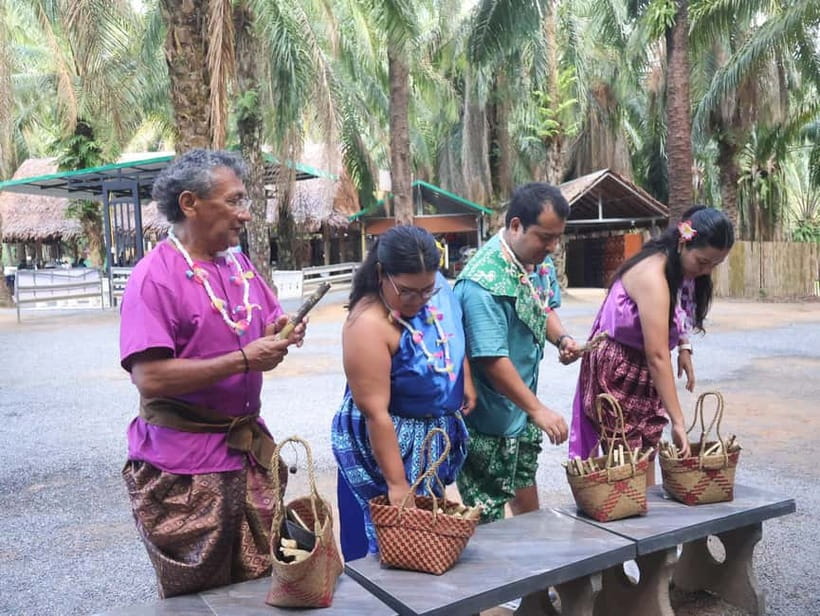
- Traditional Thai costume included so your elephant photos look like you stepped into Thailand, not just a random selfie stop
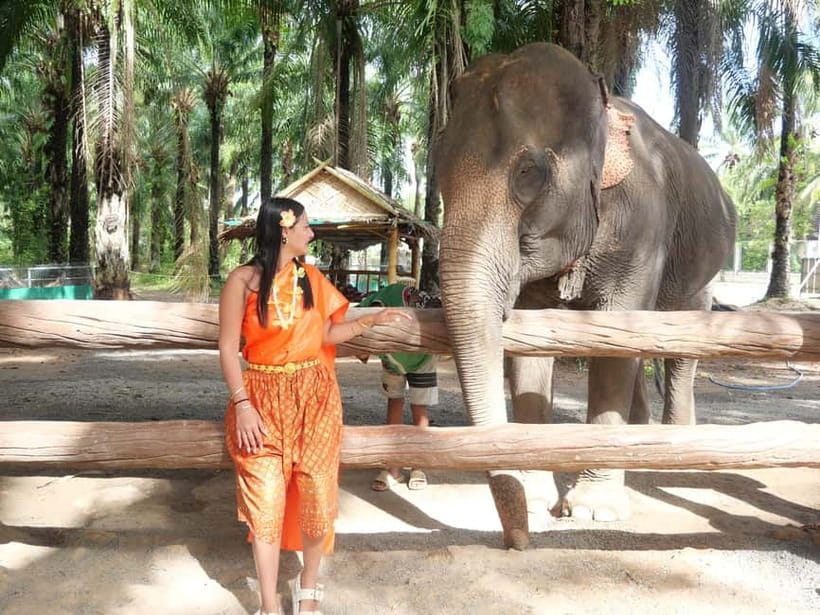
- One basket per paying guest with either bananas or sugar cane, depending on what’s available that day
- Mahout-led feeding with safety rules and respectful boundaries around touching
- Guide photo assistance included, but there’s no separate photographer
- Free hotel transfer from Ao Nang and Klong Muang areas (plus Nopparat Thara), with a fee outside those zones
- Rain or shine you still get the experience, so bring a light layer and be ready for damp weather
Traditional Thai costume first: the fast cultural intro that sets the tone
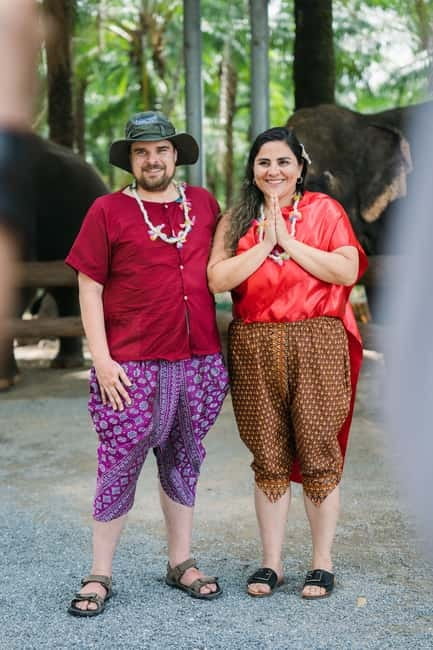
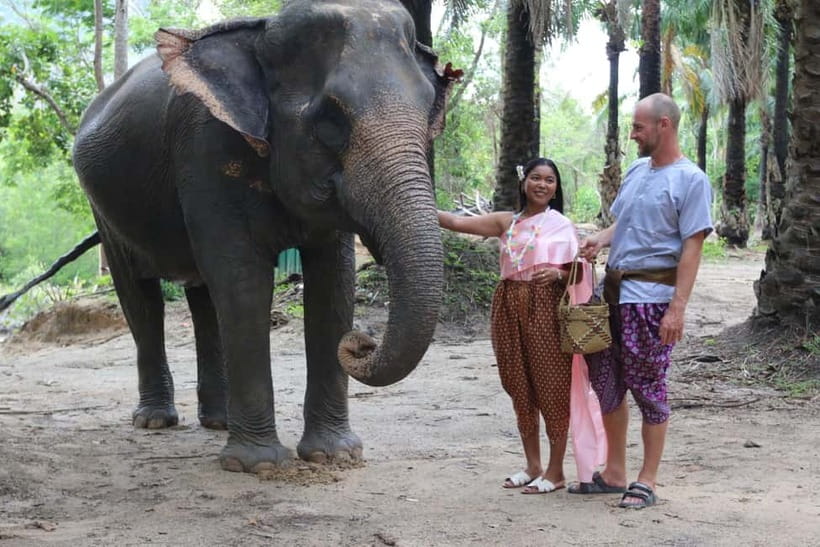
The visit starts with dressing. You’ll put on traditional Thai costume before you even meet the elephants. It’s not just for photos. Wearing it first changes the whole rhythm—you slow down, you look more closely, and the staff can guide you through how to stand and move for the feeding portion.
The costume is provided. But you’ll handle your own makeup and hair styling. They don’t offer face makeup service because they aim to reduce the risk of skin allergies. If you want makeup for the photo moment, bring your own and apply it before pickup, not at the shelter.
From a value standpoint, this matters. At many animal experiences, the “cultural” part is a quick photo prop. Here, the dress is a real part of the event, and it keeps your time with the elephants focused instead of waiting around while someone helps you figure out the basics.
You can also read our reviews of more tours and experiences in Ao Nang.



Treat basket basics: bananas or sugar cane, and why it’s organized
Next comes your treat basket. Each paying guest gets one basket of elephant treats. Depending on daily availability, it’s either bananas or sugar cane.
That sounds simple, but the day-to-day choice is useful. Sugar cane often feels more interesting for photos because it looks distinctive in the basket. Bananas are familiar and easy to handle. Either way, the key is that you’re not improvising. You’re given a set amount of food and a clear role: offer safely, don’t rush, and follow the mahouts’ instructions.
Also, because this is a fast 30-minute experience, organization counts. You’ll spend less time waiting and more time doing the hands-on part correctly. That reduces the chance of the elephants being crowded or overstimulated by long, chaotic sessions.
Meet the mahouts and feed with safe, respectful boundaries
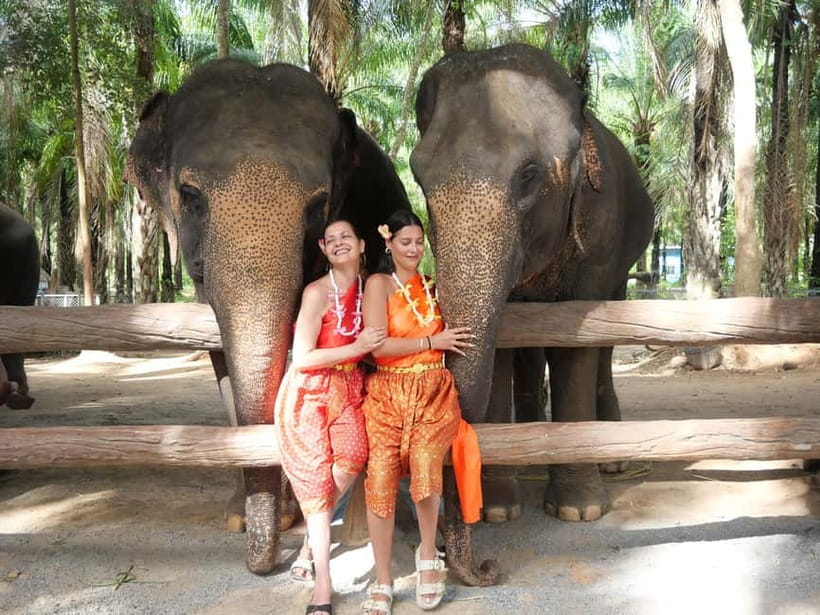
Feeding happens with the mahouts leading the way. Mahouts are elephant caretakers, and their job is more than handing you food. They guide how close to get, how to present the treats, and how to behave around the animals.
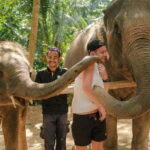
In multiple accounts, the standout detail is that the staff appears to respect the elephants’ boundaries. People also note that touching is limited. That’s the right direction if your goal is interaction with animals—not clambering all over them for photos.
Practically, you should think of your role as calm and deliberate. Don’t wave the food around. Keep your movements slow. Let the mahout position the moment and then follow their lead. If you’re nervous around elephants, this structure usually makes things easier, because you’re not guessing what’s acceptable.
Photo help is included, but a separate photographer isn’t
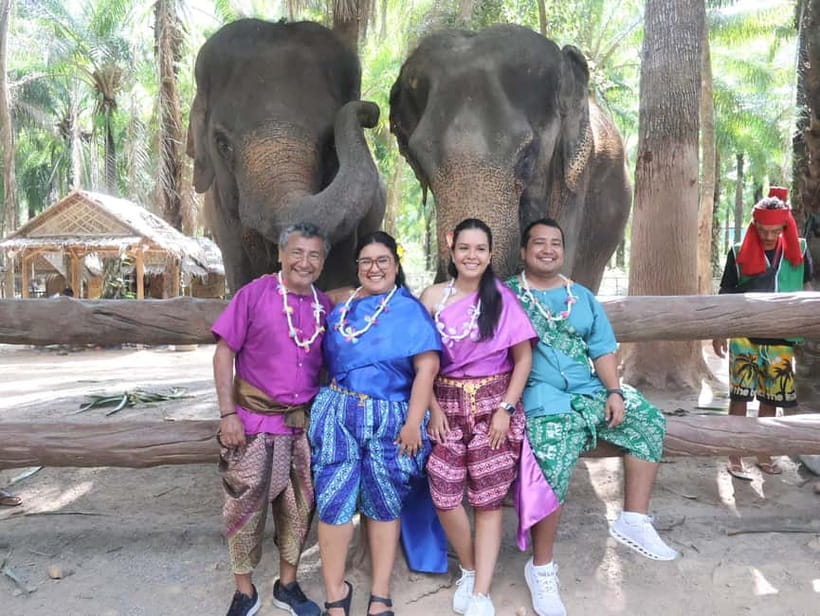
You don’t get a photographer. Instead, the tour includes photo assistance from your guide. That’s a smart middle ground. You’ll still get help capturing clear shots, especially in the traditional dress, without paying for full professional coverage.
For your best results, come prepared:
- Wear clothing you can adjust easily under the costume
- If you plan to wear makeup, apply it yourself beforehand since face makeup service isn’t provided
- Bring your phone charger if you use a lot of video—transfer and waiting time can add up
One small but important consideration: the guide can help, but the experience is time-limited. If you want a lot of posed shots, keep the pace moving and be ready to follow instructions quickly.
Elephant shelter setting: what the experience seems to prioritize
This activity is presented as an elephant shelter experience focused on proper care. People consistently point to the elephants looking well cared for and the staff treating them thoughtfully.
You’ll feel the “short and respectful” approach built into the schedule. The experience is designed around a brief, guided feeding interaction rather than long handling. That tends to be better for elephant welfare and also makes the event feel less stressful for the animals.
There’s also a cultural layer beyond the dress. Guides explain what you’re doing and why, and people mention that the staff answers questions in detail. If you’re the type who asks why an animal program is ethical, you’ll probably appreciate this format more than a quick “feed and leave” stop.



Transfers and timing: the part that can make or break the day
The tour includes hotel transfer from Ao Nang and Klong Muang areas, and it also mentions pickup in the Nopparat Thara zones. Pickup time is typically 30 minutes to 1 hour before the session starts. That means you should plan a slightly early start to avoid being rushed.
If you’re staying outside the included pickup areas, there’s an extra charge: 200 THB per person.
Two practical tips:
- Set an alarm and keep your morning flexible. With pickup windows that can be up to an hour, it’s better to be ready early.
- Ask yourself if you’re willing to trade extra waiting time for convenience. Most people are, because the transfer removes the stress of finding the shelter on your own.
And yes, the visit runs rain or shine. Krabi weather can switch quickly, so bring a compact rain jacket or poncho. You’re going to be in the outdoor portion at least some of the time.
What’s included (and what you’ll need to handle yourself)
Here’s what’s covered:
- Elephant food (bananas or sugar cane)
- Thai traditional costume
- Coffee, tea, and drinking water
- Accident insurance
- Hotel transfer (Ao Nang, Klong Muang, and Nopparat Thara areas)
- Live tour guide (English and Thai)
- Photo assistance by the guide
- Duration: 30 minutes
What you handle yourself:
- Meals are not included
- There’s no separate photographer
- You provide your own makeup and hair styling
- For insurance purposes, they ask that you take a photo of your passport and keep it on your phone. They say they do not need the physical passport or a printed copy, but they may request the image in case of emergency.
That passport detail is worth planning for. If you arrive without the photo saved, you’ll likely need to do it at the last minute. Save a clear image to your phone ahead of time.
Is $22 good value for this Krabi experience?
For about $22 per person and a 30-minute elephant session, the value comes from three places: you’re not paying extra for the costume, you’re not paying extra for the photo help, and you’re not handling transport. Those three things add up fast in Thailand when you start piecing together a similar day on your own.
The time is the trade-off. If you want a longer program, you may feel the session ends quickly. But for many people, that short duration is a feature, not a bug. It helps keep the interaction controlled and focused—especially when you consider elephants can’t be treated like a theme-park attraction.
So I’d frame it like this: if you want a quick, structured, respectful elephant feeding moment plus traditional dress photos, this is strong value. If you’re looking for a half-day or full-day experience, you’ll want to choose a longer option instead.
Who should book this elephant feeding program with Thai dress?
This works especially well if:
- You want a cultural photo moment without planning a separate outfit rental
- You prefer guided safety and clear instructions around feeding
- You like short, well-run experiences more than all-day tours
- You’re staying in Ao Nang or Klong Muang and want easy pickup and drop-off
It might not fit as well if:
- You need a full meal included, since meals are not part of the package
- You expect a professional photographer, since only guide photo help is included
- You’re sensitive to the idea of doing your own makeup/hair (because makeup service isn’t offered)
- You want long elephant time instead of a brief feeding session
Should you book Krabi Elephant Feeding Program with Traditional Thai Dress?
If you’re on the fence, here’s the decision rule I’d use. Book it if your priority is a respectful, hands-on elephant feeding moment paired with a real traditional costume and practical transfer support. Skip it if you’re chasing maximum elephant time, a meal-included day, or a pro photoshoot package.
Also think about weather. Since it runs rain or shine, bring light rain protection so the day stays comfortable.
Finally, if you’re comfortable following staff guidance and keeping your behavior calm and respectful, this format is likely to feel meaningful without dragging on. It’s built for a quick win: elephants, Thai culture, and a photo set you’ll actually want to keep.
FAQ
What do I feed the elephants?
You’ll be given a basket of elephant treats. The treats are either bananas or sugar cane, depending on what’s available that day.
How long is the elephant feeding session?
The duration is 30 minutes.
Is the Thai traditional costume included, and do I get makeup help?
The Thai traditional costume is included. Face makeup service is not provided, so you’ll need to do your own makeup and hair styling.
Is hotel pickup and drop-off included?
Yes. Hotel transfer is included for guests staying in Ao Nang and Klong Muang areas, and it also mentions Nopparat Thara areas. Pickup is 30 minutes to 1 hour before the session starts. Outside those areas, there is a 200 THB per person charge.
Does the tour run in rain?
Yes. It takes place rain or shine.
What happens for accident insurance and the passport photo?
For accident insurance purposes, you should take a photo of your passport and save it on your phone. They say they do not need your physical passport or a printed copy, but they may request the image in case of emergency.
Is free cancellation available?
Yes. You can cancel up to 24 hours in advance for a full refund.